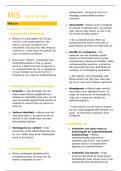
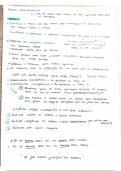
2. BUSINESS ENTERPRISES
CHAPTER 11 • function: production of goods and services to
the south african economy, circular flows and make profit
economic limitations • business enterprises ® economic decision
maker ® purpose ® earn income + make
ROLE PLAYERS IN THE ECONOMY profit ® supplying goods + services ® which
1. HOUSEHOLDS demand exist in economy
• single person, family or group who live • the business population:
together, depend on common income, and o plant: physical establishment that
exercise their choices with view of meeting performs one or more functions in
economic objectives fabricating and distributing goods +
• functions: services (farm)
o supply primary production factors to o firm: business organization that owns
private businesses + government and operates plants
institutions o industry: group of firms that produce
o produce goods and services for own the same or similar products
use o organized horizontally ® several
o use income received from supply of plants performing same function
production factors to purchase final o vertically integrated ® own plants
goods + services that perform different functions in
• sources and distribution of income: various stages of production process
o two main income types ® income o conglomerates ® have plants that
from work & social grants produce products in several industries
o imputed income: non-cash • legal forms of business:
consumption benefit acquired from o sole proprietorship:
owning durable property or from § business owned and operated
performing personal services by one person
o functional distribution of income § owner personally supervises
indicates how households’ earned operation
income is apportioned among income § no limited liability for owner
from work and income from other (business liability include
sources (grants) owner’s personal assets)
o personal distribution of income o partnership:
indicates how the nation’s money § two or more individuals agree
income is divided among individual to own and operate business
households together
• household as spenders: § pool their financial resources
o durable goods: good with expected and business skills
life of three or more years § share risks and profits + losses
o semi-durable goods: good with longer o company:
life span than non-durable goods § legal entity that is distinct and
o non-durable goods: good with separate from individuals who
expected life of less than three years own it
o services: act or use for which § hired CEOs own most
consumer, firm of government is companies
willing to pay
1
, ADVANTAGES OF COMPANIES • society chooses to redistribute part of total
• most effective form of business organization income through government policies and
for raising money to finance expansion of programmes
facilities + capabilities o transfer payments: payment by
• employ methods to finance that enable them government to household/firm for
to pool financial resources of large number of which payer receives no good or
people service directly in return
• provide limited liability to owners, who risk o market intervention
what they paid for their stock (personal assets o taxation
not at stake • benefits of redistribution: greater
• can hire specialist in production, accounting fairness/economic justice
and marketing to improve efficiency • costs of redistribution ® reduced incentives to
• have a life independent of owners and officers work, save, invest, produce
• corporate ownership through inheritance or • market failures occur when competitive
sale of stock doesn’t disrupt continuity of market system:
company o produces wrong amounts of goods +
• corporations have permanence that lends services (externalities/spillovers)
itself to long-range planning and growth o fails to allocate any resources to the
production of certain goods + services
THE PRINCIPAL-AGENT PROBLEM whose output is economically justified
• public goods:
• ownership of large company is spread over
many stockholders • one person’s consumption
• principal-agent problem: principals are of good does not preclude
stockholders who own the corporation and consumption of good by
who hire executives as their agents to run the others
Non-rivalry
business on their behalf • everyone can
• interests of managers and owners do not simultaneously obtain
always coincide benefit from public good
• conflict of interest may develop ® the firm’s (street lighting)
costs will be excessive and the firm will fail to
• no effective way of
maximize profit and stock price for owners
excluding individuals from
benefit of good once it
3. GOVERNMENT Non-
comes into existence
excludability
• all organization from level of local authorities • cannot exclude someone
to central government from benefiting from street
• economic activities of public sector -extensive lighting
• functions:
• the economic role of government is not
o to create an environment in which
always perfectly carried out
economy can operate freely and fairly
o providing legal framework and
services needed from market economy
4.FOREIGN SECTOR
to operate effectively • large number of individual states, with own
o to ensure fair competition government, consumers and business
• market system is impersonal ® may distribute enterprises
income more inequitably than society desires • every national government is sovereign also in
respect of its economic policy
2
CHAPTER 11 • function: production of goods and services to
the south african economy, circular flows and make profit
economic limitations • business enterprises ® economic decision
maker ® purpose ® earn income + make
ROLE PLAYERS IN THE ECONOMY profit ® supplying goods + services ® which
1. HOUSEHOLDS demand exist in economy
• single person, family or group who live • the business population:
together, depend on common income, and o plant: physical establishment that
exercise their choices with view of meeting performs one or more functions in
economic objectives fabricating and distributing goods +
• functions: services (farm)
o supply primary production factors to o firm: business organization that owns
private businesses + government and operates plants
institutions o industry: group of firms that produce
o produce goods and services for own the same or similar products
use o organized horizontally ® several
o use income received from supply of plants performing same function
production factors to purchase final o vertically integrated ® own plants
goods + services that perform different functions in
• sources and distribution of income: various stages of production process
o two main income types ® income o conglomerates ® have plants that
from work & social grants produce products in several industries
o imputed income: non-cash • legal forms of business:
consumption benefit acquired from o sole proprietorship:
owning durable property or from § business owned and operated
performing personal services by one person
o functional distribution of income § owner personally supervises
indicates how households’ earned operation
income is apportioned among income § no limited liability for owner
from work and income from other (business liability include
sources (grants) owner’s personal assets)
o personal distribution of income o partnership:
indicates how the nation’s money § two or more individuals agree
income is divided among individual to own and operate business
households together
• household as spenders: § pool their financial resources
o durable goods: good with expected and business skills
life of three or more years § share risks and profits + losses
o semi-durable goods: good with longer o company:
life span than non-durable goods § legal entity that is distinct and
o non-durable goods: good with separate from individuals who
expected life of less than three years own it
o services: act or use for which § hired CEOs own most
consumer, firm of government is companies
willing to pay
1
, ADVANTAGES OF COMPANIES • society chooses to redistribute part of total
• most effective form of business organization income through government policies and
for raising money to finance expansion of programmes
facilities + capabilities o transfer payments: payment by
• employ methods to finance that enable them government to household/firm for
to pool financial resources of large number of which payer receives no good or
people service directly in return
• provide limited liability to owners, who risk o market intervention
what they paid for their stock (personal assets o taxation
not at stake • benefits of redistribution: greater
• can hire specialist in production, accounting fairness/economic justice
and marketing to improve efficiency • costs of redistribution ® reduced incentives to
• have a life independent of owners and officers work, save, invest, produce
• corporate ownership through inheritance or • market failures occur when competitive
sale of stock doesn’t disrupt continuity of market system:
company o produces wrong amounts of goods +
• corporations have permanence that lends services (externalities/spillovers)
itself to long-range planning and growth o fails to allocate any resources to the
production of certain goods + services
THE PRINCIPAL-AGENT PROBLEM whose output is economically justified
• public goods:
• ownership of large company is spread over
many stockholders • one person’s consumption
• principal-agent problem: principals are of good does not preclude
stockholders who own the corporation and consumption of good by
who hire executives as their agents to run the others
Non-rivalry
business on their behalf • everyone can
• interests of managers and owners do not simultaneously obtain
always coincide benefit from public good
• conflict of interest may develop ® the firm’s (street lighting)
costs will be excessive and the firm will fail to
• no effective way of
maximize profit and stock price for owners
excluding individuals from
benefit of good once it
3. GOVERNMENT Non-
comes into existence
excludability
• all organization from level of local authorities • cannot exclude someone
to central government from benefiting from street
• economic activities of public sector -extensive lighting
• functions:
• the economic role of government is not
o to create an environment in which
always perfectly carried out
economy can operate freely and fairly
o providing legal framework and
services needed from market economy
4.FOREIGN SECTOR
to operate effectively • large number of individual states, with own
o to ensure fair competition government, consumers and business
• market system is impersonal ® may distribute enterprises
income more inequitably than society desires • every national government is sovereign also in
respect of its economic policy
2