3. Ease of doing business
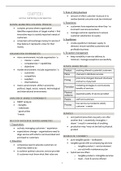
CHAPTER 1 • amount of effort customer must put in to
service marketing in perspective realise desired outcome must be minimized
4. Experience
SERVICE MARKETING EXCHANGE PROCESS
• customers have experiences when they’re
• complex process where organisation
involved in service encounters
identifies expectations of target market + find
• manage customer experience to ensure
innovative ways to satisfy important needs of
customer satisfaction & loyalty
customers
5. Equilibrium
• consumers will exchange money for service if
they believe it represents value for their • create equilibrium between supply &
money demand, ensure satisfied customers and
profitable business
ORGANISATION ENVIRONMENTS 6. Exception management
• micro-environment: include organisation’s: • keep variability in service delivery to
o mission + vision minimum, manage exceptions successfully
o competencies + capabilities
o objectives SERVICE MARKETING MIX
• market environment: include organisation’s: Product anything offered to potential customers
o customers
Place channels to distribute services
o competitors
o suppliers price to be charged, discount structures
Pricing
o intermediaries and terms of payment
• macro-environment: shifts in economic, marketing strategies to communicate
Promotion
political, legal, social, natural, technological benefits of services
and international environments Physical
expected quality of service provided
evidence
ANALYSIS OF MARKET ENVIRONMENT People staff and customers
• SWOT analysis
how service is provided to satisfy
• Strenghts Process
customer’s needs
Weaknesses
Opportunities
Threats SERVICES
• act/performance that one party can offer
SIX E’S OF SUCCESFUL SERVICE MARKETING another that’s essentially intangible +
doesn’t result in ownership of anything
1. Expectations
• production may/may not be tied to physical
• actively managing customers’ experience
product
• expectations change – organisations need to
align service with what is communicated and
DEGREES OF TANGIBILITY
promised to customers
• pure tangible goods - toothpaste
2. Education
• tangible goods with accompanying services
• companies need to educate customers on
o tangible product + service element
what they need to do
o car sold with maintenance plan
• to achieve optimal outcome, service provider
• hybrid service offers
& customer must know what their roles are
o tangible product+ intangible services
o meal – food & service offered
1
CHAPTER 1 • amount of effort customer must put in to
service marketing in perspective realise desired outcome must be minimized
4. Experience
SERVICE MARKETING EXCHANGE PROCESS
• customers have experiences when they’re
• complex process where organisation
involved in service encounters
identifies expectations of target market + find
• manage customer experience to ensure
innovative ways to satisfy important needs of
customer satisfaction & loyalty
customers
5. Equilibrium
• consumers will exchange money for service if
they believe it represents value for their • create equilibrium between supply &
money demand, ensure satisfied customers and
profitable business
ORGANISATION ENVIRONMENTS 6. Exception management
• micro-environment: include organisation’s: • keep variability in service delivery to
o mission + vision minimum, manage exceptions successfully
o competencies + capabilities
o objectives SERVICE MARKETING MIX
• market environment: include organisation’s: Product anything offered to potential customers
o customers
Place channels to distribute services
o competitors
o suppliers price to be charged, discount structures
Pricing
o intermediaries and terms of payment
• macro-environment: shifts in economic, marketing strategies to communicate
Promotion
political, legal, social, natural, technological benefits of services
and international environments Physical
expected quality of service provided
evidence
ANALYSIS OF MARKET ENVIRONMENT People staff and customers
• SWOT analysis
how service is provided to satisfy
• Strenghts Process
customer’s needs
Weaknesses
Opportunities
Threats SERVICES
• act/performance that one party can offer
SIX E’S OF SUCCESFUL SERVICE MARKETING another that’s essentially intangible +
doesn’t result in ownership of anything
1. Expectations
• production may/may not be tied to physical
• actively managing customers’ experience
product
• expectations change – organisations need to
align service with what is communicated and
DEGREES OF TANGIBILITY
promised to customers
• pure tangible goods - toothpaste
2. Education
• tangible goods with accompanying services
• companies need to educate customers on
o tangible product + service element
what they need to do
o car sold with maintenance plan
• to achieve optimal outcome, service provider
• hybrid service offers
& customer must know what their roles are
o tangible product+ intangible services
o meal – food & service offered
1