• criteria:
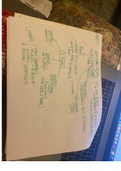
CHAPTER 4 o sales and profit potential
service product o growth potential
o organisation’s ability to service
SERVICE PRODUCT segment
• anything that can be offered to market for o organisation’s ability to compete
attention, acquisition, use or consumption with other organisation’s offerings in
and that may satisfy a want/need the same segment
• includes: physical objects, services, persons,
places, organisations, ideas SERVICE POSITIONING
• activity concerned with identification,
SERVICE PRODUCT LEVELS development, and communication of
1. Core service differentiated advantage
• core benefit customer expects from specific • gives perception of organisation’s products
service &services as superior to + distinct those of its
competitors in mind of target consumers
2. Expected service
• benefits:
• core service + minimum expectation
o provides target segment with reason
• combination of tangible + intangible for buying
elements
o customers see why organisation’s
3. Desired service services are different from others
• expected + additional service & benefits o identifies where it wants to be &
• elements organisations use to distinguish specifies actions needed to attain
themselves from competitors position
o identifies market opportunities not
SEGMENTATION AND TARGETING address by competitors
• market segments: groups of buyers who share o market penetration possible
common characteristics within segment, but o guidelines for development of
differ between segments marketing mix, structuring of element
• target market consists of customers who’ll • criteria:
be satisfied by service offering, and will be o meaningful and desirable to segment
profitable to organisation o believable – no unattainable claims
o uniquely different from competition
• benefits:
o sustainable & profitable over long-
o deeper understanding of customer
term
needs
o effective resource allocation
o clearer identification of market SERVICE PRODUCT STRATEGIES
opportunities 1. Service product mix strategy
o products created and priced for 1.1 Service life cycle (patterns of demand)
target audience
Introduction phase slow sales, limited profit
o easier choice of distribution and
communication channels Growth phase increasing sales and profit
o better-positioned marketing sales start to slow down,
Maturity phase
programmes profits decline
competitors drop out, sales
Decline phase
and profit decline
1
CHAPTER 4 o sales and profit potential
service product o growth potential
o organisation’s ability to service
SERVICE PRODUCT segment
• anything that can be offered to market for o organisation’s ability to compete
attention, acquisition, use or consumption with other organisation’s offerings in
and that may satisfy a want/need the same segment
• includes: physical objects, services, persons,
places, organisations, ideas SERVICE POSITIONING
• activity concerned with identification,
SERVICE PRODUCT LEVELS development, and communication of
1. Core service differentiated advantage
• core benefit customer expects from specific • gives perception of organisation’s products
service &services as superior to + distinct those of its
competitors in mind of target consumers
2. Expected service
• benefits:
• core service + minimum expectation
o provides target segment with reason
• combination of tangible + intangible for buying
elements
o customers see why organisation’s
3. Desired service services are different from others
• expected + additional service & benefits o identifies where it wants to be &
• elements organisations use to distinguish specifies actions needed to attain
themselves from competitors position
o identifies market opportunities not
SEGMENTATION AND TARGETING address by competitors
• market segments: groups of buyers who share o market penetration possible
common characteristics within segment, but o guidelines for development of
differ between segments marketing mix, structuring of element
• target market consists of customers who’ll • criteria:
be satisfied by service offering, and will be o meaningful and desirable to segment
profitable to organisation o believable – no unattainable claims
o uniquely different from competition
• benefits:
o sustainable & profitable over long-
o deeper understanding of customer
term
needs
o effective resource allocation
o clearer identification of market SERVICE PRODUCT STRATEGIES
opportunities 1. Service product mix strategy
o products created and priced for 1.1 Service life cycle (patterns of demand)
target audience
Introduction phase slow sales, limited profit
o easier choice of distribution and
communication channels Growth phase increasing sales and profit
o better-positioned marketing sales start to slow down,
Maturity phase
programmes profits decline
competitors drop out, sales
Decline phase
and profit decline
1