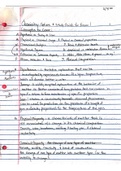
(aspects that affect performance/ success. Can be within/ outside of business. Elements are
all linked)
Internal
Full control
Elements:
HR – labor unrest, unproductive employee, increase staff turn-over – negotiation,
training, team building activities.
Administration – equipment failure, faulty info system, internet fault – outsource
equipment, system upgrade, train admin staff.
Purchasing – overstock/ under, outdated stock – stock monitoring/ survey, inspect
stock when purchasing, use statistical records.
Marketing – too expensive, poor package/ design, incompetent staff – extensive
advertising, revise promotional activity (7 P’S of marketing)
PR (public relations) - poor business/ product image, crisis (customer injury) -
outreach activity, publicity session (social media, press conference release), sponsor
public programs.
Finance – cash flow shortage, bad/ unpaid debts, lack of capital – get loan/ borrow
capital, strict debt control.
Production – wastage of inputs, unproductive labor, poor quality, machine breakdown
– quality control/ assurance, train, machine upgrades.
GM – Weak leadership, lack of resources, poor system – train, tighter control, acquire
resources.
Business policy:
Vision/ Mission – can be too brief, unrealistic, outdated – update, revise, expand and
make clearer.
Goals/Aim/ Objectives - not SMARTER – make them SMARTER.
Organizational culture.
Operational hours.
Organizational structure.
Strategy.
Analysis.
Products services.
Tools to investigate:
- Environmental scan
- Swot analysis (s +w)
- Resource-based analysis
- Value-chain Analysis
Resource based analysis:
Identify tangible + intangible resources that the business owns + identify value these create
Assess value + identify strategy tp use resource in a sustainable manner
1. Indemnify strategic value of resource
, 2. Is it possible to utilize resource better
3. How does resource create a sustainable advantage
4. Formulate a strategy to ensure resource is utilized effectively
5. Identify resource gap and obtain these resources
Value Chain Analysis:
Process of thinking about the different in ways in which business creates value.
More value = can change more
*All elements/ activities must be reviewed to determine if something isn't adding value
- manufacturing business: value created by ‘inputs in the form of raw materials’ and convey
them
- service-orientated business: More difficult to determine value (time, knowledge,
experience, equipment)
Approach in 3 steps:
1. Each activity in the chain is analyzed
2. Determined where value is added/ insufficient value added in production/ service
process
3. Activities that create value are retained, those not are eliminated (or outsourced if
very important)
External
Partial control
Elements:
Consumers – complaints, unhappy, indecisive, too powerful – better customer care,
advertise, use social media to connect with customers.
Competitors – better product/quality, cheaper, convenient, loyal customers – increase
quality, lower price, new supplier.
Strategic alliances
Intermediaries
NGO
Industry regulators
Community based organization
Trade union – cause labor unrest, unrealistic demands - negotiate
Employer's organization
Standard control organization
Suppliers – expensive, bad quality, relocating – negotiate better price/ terms, discuss
better quality, change suppliers
Shareholder – not enough funding, demand too high dividends, take too much profit
out business – negotiate them to leave more profit unshared.
Porters 6 Forces
1. Power of buyers
all linked)
Internal
Full control
Elements:
HR – labor unrest, unproductive employee, increase staff turn-over – negotiation,
training, team building activities.
Administration – equipment failure, faulty info system, internet fault – outsource
equipment, system upgrade, train admin staff.
Purchasing – overstock/ under, outdated stock – stock monitoring/ survey, inspect
stock when purchasing, use statistical records.
Marketing – too expensive, poor package/ design, incompetent staff – extensive
advertising, revise promotional activity (7 P’S of marketing)
PR (public relations) - poor business/ product image, crisis (customer injury) -
outreach activity, publicity session (social media, press conference release), sponsor
public programs.
Finance – cash flow shortage, bad/ unpaid debts, lack of capital – get loan/ borrow
capital, strict debt control.
Production – wastage of inputs, unproductive labor, poor quality, machine breakdown
– quality control/ assurance, train, machine upgrades.
GM – Weak leadership, lack of resources, poor system – train, tighter control, acquire
resources.
Business policy:
Vision/ Mission – can be too brief, unrealistic, outdated – update, revise, expand and
make clearer.
Goals/Aim/ Objectives - not SMARTER – make them SMARTER.
Organizational culture.
Operational hours.
Organizational structure.
Strategy.
Analysis.
Products services.
Tools to investigate:
- Environmental scan
- Swot analysis (s +w)
- Resource-based analysis
- Value-chain Analysis
Resource based analysis:
Identify tangible + intangible resources that the business owns + identify value these create
Assess value + identify strategy tp use resource in a sustainable manner
1. Indemnify strategic value of resource
, 2. Is it possible to utilize resource better
3. How does resource create a sustainable advantage
4. Formulate a strategy to ensure resource is utilized effectively
5. Identify resource gap and obtain these resources
Value Chain Analysis:
Process of thinking about the different in ways in which business creates value.
More value = can change more
*All elements/ activities must be reviewed to determine if something isn't adding value
- manufacturing business: value created by ‘inputs in the form of raw materials’ and convey
them
- service-orientated business: More difficult to determine value (time, knowledge,
experience, equipment)
Approach in 3 steps:
1. Each activity in the chain is analyzed
2. Determined where value is added/ insufficient value added in production/ service
process
3. Activities that create value are retained, those not are eliminated (or outsourced if
very important)
External
Partial control
Elements:
Consumers – complaints, unhappy, indecisive, too powerful – better customer care,
advertise, use social media to connect with customers.
Competitors – better product/quality, cheaper, convenient, loyal customers – increase
quality, lower price, new supplier.
Strategic alliances
Intermediaries
NGO
Industry regulators
Community based organization
Trade union – cause labor unrest, unrealistic demands - negotiate
Employer's organization
Standard control organization
Suppliers – expensive, bad quality, relocating – negotiate better price/ terms, discuss
better quality, change suppliers
Shareholder – not enough funding, demand too high dividends, take too much profit
out business – negotiate them to leave more profit unshared.
Porters 6 Forces
1. Power of buyers