Social Organisation
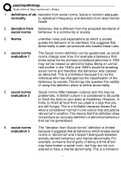
Structure of organisation within a group
→ divide resources (food/territories) and activities(protect/hunt)
Value?
Improves the survival of the whole group
- Reproductive success (find mates, protect young) + regulates population size
- Avoid predators /hunting success improved
- Divide labour (protect resources, protect weak or injured)
Wild Dogs
Highly social with complex methods of communication (vv sharp sense of hearing)
Life span about 11 years, FEM sexually mature 18 months leave the pack. Males stay for life
HUNTING
- 80% success rate (one of the highest of any SA species)
- Close knit packs of 15 adults
Detect with sight/sound → grab upper lip and tail → immobilize → rest quickly kill
Whole pack shares in kill with young feeding first (unusual) → regurgitate for those left at den
Ensures the whole pack is satisfied → effective strategy for survival
DOMINANT BREEDING PAIR
Strcit ranking system led by dominant alpha male and female
- Regulates population size as only they breed (mate for life) + keep pack under control
- Caring for young/sick/old becomes a group task + division of labour is good for survival
- it is easier to find mates and shared resources and subordinates may become dominant
Herds
- Dilution effect- greater chance of survival of individuals
- Confusion and distraction effect- Zebra stripes ~ scatter in all directions
- Mob and attack- can overpower a predator
- More eyes and ears → safer
Castes
Division of labour where individual roles for success of collective
Eusocial → most advanced form of social organisation
Live in colonies with dominant breeding pair/individual → rest are non-breeding with set tasks
Structure of organisation within a group
→ divide resources (food/territories) and activities(protect/hunt)
Value?
Improves the survival of the whole group
- Reproductive success (find mates, protect young) + regulates population size
- Avoid predators /hunting success improved
- Divide labour (protect resources, protect weak or injured)
Wild Dogs
Highly social with complex methods of communication (vv sharp sense of hearing)
Life span about 11 years, FEM sexually mature 18 months leave the pack. Males stay for life
HUNTING
- 80% success rate (one of the highest of any SA species)
- Close knit packs of 15 adults
Detect with sight/sound → grab upper lip and tail → immobilize → rest quickly kill
Whole pack shares in kill with young feeding first (unusual) → regurgitate for those left at den
Ensures the whole pack is satisfied → effective strategy for survival
DOMINANT BREEDING PAIR
Strcit ranking system led by dominant alpha male and female
- Regulates population size as only they breed (mate for life) + keep pack under control
- Caring for young/sick/old becomes a group task + division of labour is good for survival
- it is easier to find mates and shared resources and subordinates may become dominant
Herds
- Dilution effect- greater chance of survival of individuals
- Confusion and distraction effect- Zebra stripes ~ scatter in all directions
- Mob and attack- can overpower a predator
- More eyes and ears → safer
Castes
Division of labour where individual roles for success of collective
Eusocial → most advanced form of social organisation
Live in colonies with dominant breeding pair/individual → rest are non-breeding with set tasks