

PSYCHOLOGICAL PROCESSES IN THE WORK CONTEXT
IOP 101
Exam will be based on Chapters 1, 4, 5, 6, 7, 8, and 9
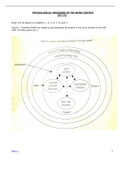
Figure 1: Systems Model for studying psychological processes in the work context (from IOP
1501-M study guide pg x)
Page | 1 1
, Name of Founding Main focus Research methods Description/explanation
school theorist/s
1 Structuralism Wundt Consciousness Introspection Self observation of one’s immediate
Structure of the experience of a stimulus to ascertain
Titchener psyche feeling or thoughts that the stimulus
Direct experience evokes. A research method used
which omits unconscious behaviour.
2 Functionalism James Functioning of the Tests and questionnaires This theory holds that variation
psyche within species occurs randomly and
Darwin Adaptation to Francis Galton fostered interest that the survival or extinction of
environment in genetic twin studies, child each organism is determined by that
Galton Individual development, mental organism's ability to adapt to its
differences deviation, and the relationship environment (evolution theory)
between heredity and the
environment.
3 Behaviourism Watson Observable Study of observable behaviour Taylorism proposes that by
behaviour (Watson) by influencing and controlling standardisation of components and
Tolman Control and stimulus-response relationships job tasks, money can be used as an
prediction of incentive to create productivity
Guthrie behaviour Stimulus-organism-response.
Stimulus-response Studying an animal's or a Watson believed in observable
Hull relationship human being's behaviour behaviour and that human beings
objectively allows it to be were reactive in nature to
Skinner described in terms of stimuli environmental factors.
and responses.
Tabula Rasa – blank slate
organisms
4 Gestalt Wertheimer Wholeness of Experimentation The phi-phenomenon is
experience Interpretation of the whole of experienced when an observer
Koffka Organisation of the individual's experience perceives that two flashing lights
stimulus field situated close together alternately
Kohler Meaning of the Wholeness of experience: The appear to be one light moving
whole mind combines elements into between both locations.
patterns or configurations
which have a meaning that is People (the mind) combine elements
not present in the elements into patterns or configurations to
themselves. create meaning that is not present in
the elements themselves
Page | 2 2
, Name of Founding Main focus Research methods Description/explanation
school theorist/s
5 Psychoanalysis Freud Psychic content Clinical observation Focus on unconscious mental activity
Unconscious Free association such as ideas, feelings, emotions
Childhood that the individual is not aware of.
experiences Freud worked with middle class
Role of unconscious women in his research studies. Unconscious processes are
in mental disorders accessible and can become
conscious content
6 Humanism/ Husserl Wholeness of Reduction of experience to Focus on positive aspects of human
Phenomenology experience (viewing essentials, relevant here-and- consciousness and mental activity,
Frankl the person as a now experiences. Focus on the with humans striving for
whole) human as a whole. psychological growth, self
Free will actualisation and autonomy. Also
Meaning of life considers the role of motivation, and
reflects the optimistic view of human
striving
Eidetic reduction refers to decreasing
the visual images that occur when
one thinks of a particular past
experience.
7 Cognitive Various General systems Analysis of information General Systems Theory: This theory
psychology researchers theory processing as the human mind focuses on
have worked How people `know' is seen to being similar to a patterns of interactions
in this field Information computer that can actively that are circular and
processing process and integrate inputs constitute living rather than
Input-output static systems.
processes
8 Metapsychology Integrative Places human Since this is an integrative This school of thought engages in
approach behaviour and approach, it can draw on the dialogue regarding different concepts
experience in a methods associated with any of and methods in different contexts of
holistic perspective the seven schools human life and experience.
Assumption is that a
human is an Studies human beings in relation to
organised whole their physical environment as well as
to their transcendental environment,
which includes theology and
philosophy.
Name of Founding Main focus Research methods Description/explanation
Page | 3 3
, school theorist/s
9 Postmodernism Inter Searches for new Scientific observation Qualities of flexibility and change are
(modernisim) disciplinary knowledge by using and experimentation some of the
approach scientific methods qualities that characterise
Studying how individuals postmodernism.
construct their personal beliefs
and what meanings that attach How people construct their personal,
to these beliefs political, social, and cultural beliefs.
Page | 4 4
IOP 101
Exam will be based on Chapters 1, 4, 5, 6, 7, 8, and 9
Figure 1: Systems Model for studying psychological processes in the work context (from IOP
1501-M study guide pg x)
Page | 1 1
, Name of Founding Main focus Research methods Description/explanation
school theorist/s
1 Structuralism Wundt Consciousness Introspection Self observation of one’s immediate
Structure of the experience of a stimulus to ascertain
Titchener psyche feeling or thoughts that the stimulus
Direct experience evokes. A research method used
which omits unconscious behaviour.
2 Functionalism James Functioning of the Tests and questionnaires This theory holds that variation
psyche within species occurs randomly and
Darwin Adaptation to Francis Galton fostered interest that the survival or extinction of
environment in genetic twin studies, child each organism is determined by that
Galton Individual development, mental organism's ability to adapt to its
differences deviation, and the relationship environment (evolution theory)
between heredity and the
environment.
3 Behaviourism Watson Observable Study of observable behaviour Taylorism proposes that by
behaviour (Watson) by influencing and controlling standardisation of components and
Tolman Control and stimulus-response relationships job tasks, money can be used as an
prediction of incentive to create productivity
Guthrie behaviour Stimulus-organism-response.
Stimulus-response Studying an animal's or a Watson believed in observable
Hull relationship human being's behaviour behaviour and that human beings
objectively allows it to be were reactive in nature to
Skinner described in terms of stimuli environmental factors.
and responses.
Tabula Rasa – blank slate
organisms
4 Gestalt Wertheimer Wholeness of Experimentation The phi-phenomenon is
experience Interpretation of the whole of experienced when an observer
Koffka Organisation of the individual's experience perceives that two flashing lights
stimulus field situated close together alternately
Kohler Meaning of the Wholeness of experience: The appear to be one light moving
whole mind combines elements into between both locations.
patterns or configurations
which have a meaning that is People (the mind) combine elements
not present in the elements into patterns or configurations to
themselves. create meaning that is not present in
the elements themselves
Page | 2 2
, Name of Founding Main focus Research methods Description/explanation
school theorist/s
5 Psychoanalysis Freud Psychic content Clinical observation Focus on unconscious mental activity
Unconscious Free association such as ideas, feelings, emotions
Childhood that the individual is not aware of.
experiences Freud worked with middle class
Role of unconscious women in his research studies. Unconscious processes are
in mental disorders accessible and can become
conscious content
6 Humanism/ Husserl Wholeness of Reduction of experience to Focus on positive aspects of human
Phenomenology experience (viewing essentials, relevant here-and- consciousness and mental activity,
Frankl the person as a now experiences. Focus on the with humans striving for
whole) human as a whole. psychological growth, self
Free will actualisation and autonomy. Also
Meaning of life considers the role of motivation, and
reflects the optimistic view of human
striving
Eidetic reduction refers to decreasing
the visual images that occur when
one thinks of a particular past
experience.
7 Cognitive Various General systems Analysis of information General Systems Theory: This theory
psychology researchers theory processing as the human mind focuses on
have worked How people `know' is seen to being similar to a patterns of interactions
in this field Information computer that can actively that are circular and
processing process and integrate inputs constitute living rather than
Input-output static systems.
processes
8 Metapsychology Integrative Places human Since this is an integrative This school of thought engages in
approach behaviour and approach, it can draw on the dialogue regarding different concepts
experience in a methods associated with any of and methods in different contexts of
holistic perspective the seven schools human life and experience.
Assumption is that a
human is an Studies human beings in relation to
organised whole their physical environment as well as
to their transcendental environment,
which includes theology and
philosophy.
Name of Founding Main focus Research methods Description/explanation
Page | 3 3
, school theorist/s
9 Postmodernism Inter Searches for new Scientific observation Qualities of flexibility and change are
(modernisim) disciplinary knowledge by using and experimentation some of the
approach scientific methods qualities that characterise
Studying how individuals postmodernism.
construct their personal beliefs
and what meanings that attach How people construct their personal,
to these beliefs political, social, and cultural beliefs.
Page | 4 4


