CHAPTER 6
BUSINESS SECTORS
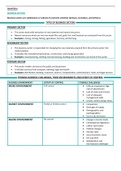
Business sectors are subdivisions or subsets of economic activities (primary, secondary, and tertiary)
TYPES OF BUSINESS SECTORS
PRIMARY SECTOR
• This sector deals with extraction of raw materials and natural resources.
• Natural resources which are not man made like coal, gold, fish, and livestock are extracted from this sector.
• Examples: mining, mining, fishing, agriculture, forestry, and farming
SECONDARY SECTOR
• This business sector is responsible for changing the raw materials acquired from the primary sector into
useful products
• It includes the manufacturing factories, construction, and energy generation
• Examples: manufacturing, clothing, food processing, building and construction are found in this sector
TERTIARY SECTOR
• This sector renders services to the public and businesses
• It includes services from transport, banking, legal and health
• Examples: distribution, banking, insurance, tourism, transportation, entertainment, retail, and legal services
POSSIBLE BUSINESS CHALLENGES, THEIR ENVIRONMENTS AND EXTENT OF CONTROL
BUSINESS ENVIRONMENT EXTENT OF CONTROL POSSIBLE CHALLENGES
MICRO ENVIRONMENT Full control • Difficult employees/ High
rate of absenteeism
• Lack of vision and mission
• Lack of adequate
management skills
• Unions, strikes and go-slows
MARKET ENVIRONMENT Partial or limited control • Competition
• Shortages of supply
• Demographics and
psychographics
• Socio-cultural factors
MACRO ENVIRONMENT No control • Change in income levels
• Contemporary legislation
• Labour restrictions
• Political changes
• Interest rates
• Socio-economic issues
• HIV and AIDS
• Globalization and
International challenges
BUSINESS SECTORS
Business sectors are subdivisions or subsets of economic activities (primary, secondary, and tertiary)
TYPES OF BUSINESS SECTORS
PRIMARY SECTOR
• This sector deals with extraction of raw materials and natural resources.
• Natural resources which are not man made like coal, gold, fish, and livestock are extracted from this sector.
• Examples: mining, mining, fishing, agriculture, forestry, and farming
SECONDARY SECTOR
• This business sector is responsible for changing the raw materials acquired from the primary sector into
useful products
• It includes the manufacturing factories, construction, and energy generation
• Examples: manufacturing, clothing, food processing, building and construction are found in this sector
TERTIARY SECTOR
• This sector renders services to the public and businesses
• It includes services from transport, banking, legal and health
• Examples: distribution, banking, insurance, tourism, transportation, entertainment, retail, and legal services
POSSIBLE BUSINESS CHALLENGES, THEIR ENVIRONMENTS AND EXTENT OF CONTROL
BUSINESS ENVIRONMENT EXTENT OF CONTROL POSSIBLE CHALLENGES
MICRO ENVIRONMENT Full control • Difficult employees/ High
rate of absenteeism
• Lack of vision and mission
• Lack of adequate
management skills
• Unions, strikes and go-slows
MARKET ENVIRONMENT Partial or limited control • Competition
• Shortages of supply
• Demographics and
psychographics
• Socio-cultural factors
MACRO ENVIRONMENT No control • Change in income levels
• Contemporary legislation
• Labour restrictions
• Political changes
• Interest rates
• Socio-economic issues
• HIV and AIDS
• Globalization and
International challenges