
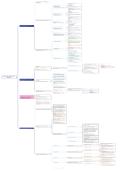
Personality Traits= enduring
tendencies to think, feel, act in a
certain way
High on the trait:
- sociable
1- Extraversion =
- affectionate
- outgoing
- tendency to xp +ve
emotions+moods
Low on trait (introvert):
- feel good abt self+rest of world
- tend to be less inclined to social
interactions
- less +ve outlook
High :
- angry
-dissatisfied
-complain abt own+others
progress
2- Negative affectivity =
(toxic envro /spur improvement
- tendency to xp - ve
emotions+moods Low:
- don't tend to xp - ve emo/moods
- less pessimistic/critical of
self+others
High:
dev good/close relations with
Big 5 personality Traits [ENACO]
other
3- Agreeableness=
-empathy
- tendency to get along with
Low:
others
- distrustful of others
- unsympathetic
- uncooperative
- antagonistic
Enduring characteristics :
personality traits High:
4- Conscientiousness= - organised + self discipline
-tendency to be careful,
Low:
scrupulous, persevering
lack of direction + self discipline
High:
likely to take risks
5- Openness to XP= - innovative in planning, decision
making
-tendency to be orig, broad
interest, open to wide range of Low:
stimuli, daring, take risks
- less likely to take risks
- more conservative in planning,
decision making
1) int = tendency to locate resp for
ones fate within self
- own actions+behaviour det
outcomes
1- Locus of control
2)ext= tendency to locate resp for
ones fate outside self + believe
ones own behaviour has little
impact
- own actions +behaviour make no
diff
High:
- competent
- deserving+capable of handling
most situation
2- Self esteem : extent indiv
feels good abt selves + Low:
Other personality trait effecting capabilities
managerial behaviour
- poor opinion of self
- unsure of capabilities
- question their abilities to
succeed
3.1) Achievement =
extent indiv has strong desire to
perf challenging tasks well+meet
personal stnds for excellence
3.2) Affiliation =
3- need (McClelland) extent indiv concerned by
establishing+maintaining good
relations + being liked
3.3) Power=
extent indiv desire
control/influence others
Norm=
-lifelong goal/objective that indiv
seeks to achieve
unwritten,
1- Terminal value [TG] informal codes of conduct,
- sense of accomplishment, equality,
prescribe how pple act in particular
self respect
Values = situations,
considered imp by most members of
- lead to norm formulation
descr what managers try to achieve a grp/organ
via work, think + behave Value systems
-modes of conduct indiv seeks to
- moral guidance +motivator for follow
actions
2- Instrumental value [IC] - being ambitious
- being broad minded
- being resp (dependable)
1- job satisfaction =
collection of feelings+ beliefs
managers have abt their jobs
- high job satis: like their jobs,
feel fairly treated, believe job
The manager as a has desirable features, less likely
person to quit
2- organisational commitment=
collection of feelings+ beliefs
Values, attitudes, moods, managers have abt their organ
emotions Attitude =
- managers committed to
collection of feelings + beliefs organ: believe in objectives of
organ, proud of what organ
stands for, high degree of organ
loyalty
3- organisational citizenship
behaviour =
go above+ beyond
- not req but contribute to +
necessary for organ efficiency,
effective, competitive advantage
+ve: enhance creativity, less likely
Moods= to resign -both:
a feeling/state of mind
-ve: push pple to work harder - effect manager + organ members
Moods + Emotions behaviour
Emotions=
- play role in ethical decision
intense, relatively short lived making
feelings limited to causes
High EQ:
Emotional intelligence
(EQ) = - more likely to understand how they
are feeling + why
ability to understand +
manage own + others - able to effectively manage their
moods+ Emotions feelings (don't get in the way of
effective decision making)
Def:
shared set of beliefs, expectations,
values, norms, work routines that
influence how organ members relate
to each other + work tog to achieve
organs goals
Attraction-selection-attriction
(ASA) - managers/founders are
attracted to employees that
share the same values as them
Other chrct that shape organ
culture :
managers values, attitudes,
Managers and organisational culture
moods, emotions, and EQ
Committed managers who are
satis with job -> xp +ve
moods/emo= encourage these
attitudes + feelings in others
results =organisational culture
emphasising +ve attitudes+
feelings
Role in organ culture
-shared Terminal Values =tells
what organ + employees trying
to accomplish)
- shared instrumental values =
guides how organ + employees
accomplish goals
- shared norms also key aspect
of organ culture
- managers-> det+shape organ
culture via kinds of values +
norms they provide in an organ
-founder values = inspire founders to
start own company, drive companies
defining chrct
Role of values + norms in organ - founders =set the scene, own value
culture 1- values of founder
guide building of company
->hire managers +employees who
Organisational culture
share these values +help organ stain
them (Asa
Organ socialisation = process by
which newcomers learn organs
values+ norms + acquire work
behaviour req to perform jobs
2- socialisation effectively
- learn from each other
Factors that maintain +
transmits organ culture
- most organs have it, help
newcomers learn the ropes
-way managers create + influence
organ culture
3- ceremonies+ rites
- formal events= recognise incidents
of imp to organ as whole + specific
employees
Stories = reveal behaviour valued by
organ + kinds of prac frowned
4- stories +language
lang= principle medium of
communication, slang+ jargon reveal
clues abt norms+ values
Encourage low lvl managers to
involve in planning
Innovative culture
- more willing to listen to new ideas
1- Planning Top managers + take risks in dev new products
Emphasise formal top down
Conservative values
planning
-organic structure
- few hierarchy lvls - decentralised
Innovative culture authority
- employees encouraged to work tog
to solve problems
2- Organising Managers (value creativity)
-well defined hierarchy of authority
Conservative values - establish clear reporting relations
Culture + managerial actions
(employees know who to report to
+how)
-lead by eg
Innovative culture
- encourage employees to take risks
3- Leading Managers
-use management by objects
Conservative values
- constantly monitor subordinates
progress towards goals
Innovative culture Concerned abt long term perf
Managers (encourage risk taking, -emphasise caution
4- controlling
creativity + innovation)
- maintenance of status quo
Conservative values
-freq monitor progress towards goals
- clear set roles must be adhered to
tendencies to think, feel, act in a
certain way
High on the trait:
- sociable
1- Extraversion =
- affectionate
- outgoing
- tendency to xp +ve
emotions+moods
Low on trait (introvert):
- feel good abt self+rest of world
- tend to be less inclined to social
interactions
- less +ve outlook
High :
- angry
-dissatisfied
-complain abt own+others
progress
2- Negative affectivity =
(toxic envro /spur improvement
- tendency to xp - ve
emotions+moods Low:
- don't tend to xp - ve emo/moods
- less pessimistic/critical of
self+others
High:
dev good/close relations with
Big 5 personality Traits [ENACO]
other
3- Agreeableness=
-empathy
- tendency to get along with
Low:
others
- distrustful of others
- unsympathetic
- uncooperative
- antagonistic
Enduring characteristics :
personality traits High:
4- Conscientiousness= - organised + self discipline
-tendency to be careful,
Low:
scrupulous, persevering
lack of direction + self discipline
High:
likely to take risks
5- Openness to XP= - innovative in planning, decision
making
-tendency to be orig, broad
interest, open to wide range of Low:
stimuli, daring, take risks
- less likely to take risks
- more conservative in planning,
decision making
1) int = tendency to locate resp for
ones fate within self
- own actions+behaviour det
outcomes
1- Locus of control
2)ext= tendency to locate resp for
ones fate outside self + believe
ones own behaviour has little
impact
- own actions +behaviour make no
diff
High:
- competent
- deserving+capable of handling
most situation
2- Self esteem : extent indiv
feels good abt selves + Low:
Other personality trait effecting capabilities
managerial behaviour
- poor opinion of self
- unsure of capabilities
- question their abilities to
succeed
3.1) Achievement =
extent indiv has strong desire to
perf challenging tasks well+meet
personal stnds for excellence
3.2) Affiliation =
3- need (McClelland) extent indiv concerned by
establishing+maintaining good
relations + being liked
3.3) Power=
extent indiv desire
control/influence others
Norm=
-lifelong goal/objective that indiv
seeks to achieve
unwritten,
1- Terminal value [TG] informal codes of conduct,
- sense of accomplishment, equality,
prescribe how pple act in particular
self respect
Values = situations,
considered imp by most members of
- lead to norm formulation
descr what managers try to achieve a grp/organ
via work, think + behave Value systems
-modes of conduct indiv seeks to
- moral guidance +motivator for follow
actions
2- Instrumental value [IC] - being ambitious
- being broad minded
- being resp (dependable)
1- job satisfaction =
collection of feelings+ beliefs
managers have abt their jobs
- high job satis: like their jobs,
feel fairly treated, believe job
The manager as a has desirable features, less likely
person to quit
2- organisational commitment=
collection of feelings+ beliefs
Values, attitudes, moods, managers have abt their organ
emotions Attitude =
- managers committed to
collection of feelings + beliefs organ: believe in objectives of
organ, proud of what organ
stands for, high degree of organ
loyalty
3- organisational citizenship
behaviour =
go above+ beyond
- not req but contribute to +
necessary for organ efficiency,
effective, competitive advantage
+ve: enhance creativity, less likely
Moods= to resign -both:
a feeling/state of mind
-ve: push pple to work harder - effect manager + organ members
Moods + Emotions behaviour
Emotions=
- play role in ethical decision
intense, relatively short lived making
feelings limited to causes
High EQ:
Emotional intelligence
(EQ) = - more likely to understand how they
are feeling + why
ability to understand +
manage own + others - able to effectively manage their
moods+ Emotions feelings (don't get in the way of
effective decision making)
Def:
shared set of beliefs, expectations,
values, norms, work routines that
influence how organ members relate
to each other + work tog to achieve
organs goals
Attraction-selection-attriction
(ASA) - managers/founders are
attracted to employees that
share the same values as them
Other chrct that shape organ
culture :
managers values, attitudes,
Managers and organisational culture
moods, emotions, and EQ
Committed managers who are
satis with job -> xp +ve
moods/emo= encourage these
attitudes + feelings in others
results =organisational culture
emphasising +ve attitudes+
feelings
Role in organ culture
-shared Terminal Values =tells
what organ + employees trying
to accomplish)
- shared instrumental values =
guides how organ + employees
accomplish goals
- shared norms also key aspect
of organ culture
- managers-> det+shape organ
culture via kinds of values +
norms they provide in an organ
-founder values = inspire founders to
start own company, drive companies
defining chrct
Role of values + norms in organ - founders =set the scene, own value
culture 1- values of founder
guide building of company
->hire managers +employees who
Organisational culture
share these values +help organ stain
them (Asa
Organ socialisation = process by
which newcomers learn organs
values+ norms + acquire work
behaviour req to perform jobs
2- socialisation effectively
- learn from each other
Factors that maintain +
transmits organ culture
- most organs have it, help
newcomers learn the ropes
-way managers create + influence
organ culture
3- ceremonies+ rites
- formal events= recognise incidents
of imp to organ as whole + specific
employees
Stories = reveal behaviour valued by
organ + kinds of prac frowned
4- stories +language
lang= principle medium of
communication, slang+ jargon reveal
clues abt norms+ values
Encourage low lvl managers to
involve in planning
Innovative culture
- more willing to listen to new ideas
1- Planning Top managers + take risks in dev new products
Emphasise formal top down
Conservative values
planning
-organic structure
- few hierarchy lvls - decentralised
Innovative culture authority
- employees encouraged to work tog
to solve problems
2- Organising Managers (value creativity)
-well defined hierarchy of authority
Conservative values - establish clear reporting relations
Culture + managerial actions
(employees know who to report to
+how)
-lead by eg
Innovative culture
- encourage employees to take risks
3- Leading Managers
-use management by objects
Conservative values
- constantly monitor subordinates
progress towards goals
Innovative culture Concerned abt long term perf
Managers (encourage risk taking, -emphasise caution
4- controlling
creativity + innovation)
- maintenance of status quo
Conservative values
-freq monitor progress towards goals
- clear set roles must be adhered to


