CUSTARD APPLE DRAGON FRUIT
CAPE GOOSEBERRIES
FRUIT
POMMEGRANATE
PERSIMMONS
RASPBERRY, MULBERRY, STRAWBERRY AND CHERRY
MANGO
STARFRUIT GRENADELLA
, FRUIT
LECTURE OUTCOMES:
1. Demonstrate knowledge on the classification and selection of fruit in season.
2. Show an understanding and explain the structure, composition and nutritional value of fruit.
3. Identify fruit types.
4. Show knowledge on the selection and correct storage of different fruit types.
5. Understand the factors that affect the texture of fresh fruit.
6. Identify the colour pigments present in fruit.
7. Identify the different compounds in fruit responsible for flavour.
8. Analyse, interpret and explain the changes that take place during the discolouration of fruit
and explain effect of different treatments to prevent oxidation of fruit.
REFERENCES:
Introductory Foods: 14th Edition; Chapter 21
Understanding food Principles and Preparation
LECTURE OUTLINE:
Classification and selection of fruit in season.
Composition, structure and nutritional value.
Colour and flavour.
Discolouration of fruit - oxidation and prevention thereof.
Selection, identification and storage of fruits.
Changes during ripening.
Effects of heat on fruit.
Effects of added substances
Ways fruit are presented to the consumer: Fruit juices, Fresh, Dried, frozen fruit.
The methods of storage and changes that occur during storage.
Post-harvest changes and practices.
PRESCRIBED READING:
Chapter 14 page 284 in Understanding Food.
FURTHER REFERENCES:
Willan, A : (1988) Reader’s Digest: The Complete Guide to Cookery. Dorling Kindersley, London.
Charley, H and Weaver, C. Food A Scientific Approach. 3rd Ed. Prentice Hall, New Jersey.
The following topics have to be revised from work done during first year of study:
2. COMPOSITION AND STRUCTURE
Fresh fruit not processed:
80% water except bananas - 75%
1% minerals
Proteins - 1-2%
Carbohydrates - 5% watery fruit and 22% other fruit
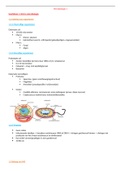
STRUCTURE
The structural unit of the edible part of most fruits and vegetables is the parenchyma cell.
CAPE GOOSEBERRIES
FRUIT
POMMEGRANATE
PERSIMMONS
RASPBERRY, MULBERRY, STRAWBERRY AND CHERRY
MANGO
STARFRUIT GRENADELLA
, FRUIT
LECTURE OUTCOMES:
1. Demonstrate knowledge on the classification and selection of fruit in season.
2. Show an understanding and explain the structure, composition and nutritional value of fruit.
3. Identify fruit types.
4. Show knowledge on the selection and correct storage of different fruit types.
5. Understand the factors that affect the texture of fresh fruit.
6. Identify the colour pigments present in fruit.
7. Identify the different compounds in fruit responsible for flavour.
8. Analyse, interpret and explain the changes that take place during the discolouration of fruit
and explain effect of different treatments to prevent oxidation of fruit.
REFERENCES:
Introductory Foods: 14th Edition; Chapter 21
Understanding food Principles and Preparation
LECTURE OUTLINE:
Classification and selection of fruit in season.
Composition, structure and nutritional value.
Colour and flavour.
Discolouration of fruit - oxidation and prevention thereof.
Selection, identification and storage of fruits.
Changes during ripening.
Effects of heat on fruit.
Effects of added substances
Ways fruit are presented to the consumer: Fruit juices, Fresh, Dried, frozen fruit.
The methods of storage and changes that occur during storage.
Post-harvest changes and practices.
PRESCRIBED READING:
Chapter 14 page 284 in Understanding Food.
FURTHER REFERENCES:
Willan, A : (1988) Reader’s Digest: The Complete Guide to Cookery. Dorling Kindersley, London.
Charley, H and Weaver, C. Food A Scientific Approach. 3rd Ed. Prentice Hall, New Jersey.
The following topics have to be revised from work done during first year of study:
2. COMPOSITION AND STRUCTURE
Fresh fruit not processed:
80% water except bananas - 75%
1% minerals
Proteins - 1-2%
Carbohydrates - 5% watery fruit and 22% other fruit
STRUCTURE
The structural unit of the edible part of most fruits and vegetables is the parenchyma cell.