LCP4804
Assignment 2 Semester 2 2026
Unique number
Due date: August 2026
QUESTION 1
Validity requirements and the meaning of the payments
A valid customary marriage concluded after the Recognition of Customary Marriages
Act 120 of 1998 came into force must satisfy section 3. Both prospective spouses
must be older than eighteen and must consent to marry each other under customary
law.1 The marriage must also be negotiated and entered into or celebrated according
to the applicable customary law.1 Customary marriage remains a family process, but
the RCMA places the personal choice of Mokgadi and Matome at the centre of
validity.1 Their families may negotiate and assist them, but relatives cannot replace
the required consent of an adult prospective spouse.
The payment made because Mokgadi was pregnant must be separated from lobolo.
, QUESTION 1
Validity requirements and the meaning of the payments
A valid customary marriage concluded after the Recognition of Customary Marriages
Act 120 of 1998 came into force must satisfy section 3. Both prospective spouses
must be older than eighteen and must consent to marry each other under customary
law.1 The marriage must also be negotiated and entered into or celebrated according
to the applicable customary law.2 Customary marriage remains a family process, but
the RCMA places the personal choice of Mokgadi and Matome at the centre of
validity.3 Their families may negotiate and assist them, but relatives cannot replace
the required consent of an adult prospective spouse.
The payment made because Mokgadi was pregnant must be separated from lobolo.
Customary law recognises pregnancy or seduction damages as a separate
customary obligation that may arise when an unmarried woman becomes pregnant. 4
Lobolo is property or money undertaken in connection with a customary marriage. 5
Matome authorised his uncles only to pay the pregnancy damages, so that mandate
cannot reasonably be treated as authority to arrange a marriage as well. 6 Their
payment acknowledged responsibility for the pregnancy, but it did not prove that
Matome had consented to marry Mokgadi under customary law.
Relevant case law and application
The facts of Mabuza v Mbatha show why the whole customary process must be
considered.7 In that case the parties lived together, had a child, lobolo was paid and
their families treated the relationship as a marriage, although the ukumekeza ritual
was disputed.8 The Court accepted that living customary law develops and that a
ritual can be waived where the parties and families clearly proceed with the
1
Recognition of Customary Marriages Act 120 of 1998 s 3(1)(a)(ii).
2
Recognition of Customary Marriages Act 120 of 1998 s 3(1)(b).
3
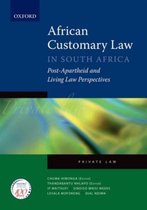
Chuma Himonga and Thandabantu Nhlapo (eds), African Customary Law in South Africa: Post-
Apartheid and Living Law Perspectives (Oxford University Press Southern Africa 2014) 166-167.
4
Himonga and Nhlapo (n 3) 339-342.
5
Recognition of Customary Marriages Act 120 of 1998 s 1 sv 'lobolo'.
6
Himonga and Nhlapo (n 3) 339-340.
7
Mabuza v Mbatha (2839/01) [2002] ZAWCHC 11, 2003 (4) SA 218 (C) paras 4-6.
8
Mabuza (n 7) paras 10 and 27.
Assignment 2 Semester 2 2026
Unique number
Due date: August 2026
QUESTION 1
Validity requirements and the meaning of the payments
A valid customary marriage concluded after the Recognition of Customary Marriages
Act 120 of 1998 came into force must satisfy section 3. Both prospective spouses
must be older than eighteen and must consent to marry each other under customary
law.1 The marriage must also be negotiated and entered into or celebrated according
to the applicable customary law.1 Customary marriage remains a family process, but
the RCMA places the personal choice of Mokgadi and Matome at the centre of
validity.1 Their families may negotiate and assist them, but relatives cannot replace
the required consent of an adult prospective spouse.
The payment made because Mokgadi was pregnant must be separated from lobolo.
, QUESTION 1
Validity requirements and the meaning of the payments
A valid customary marriage concluded after the Recognition of Customary Marriages
Act 120 of 1998 came into force must satisfy section 3. Both prospective spouses
must be older than eighteen and must consent to marry each other under customary
law.1 The marriage must also be negotiated and entered into or celebrated according
to the applicable customary law.2 Customary marriage remains a family process, but
the RCMA places the personal choice of Mokgadi and Matome at the centre of
validity.3 Their families may negotiate and assist them, but relatives cannot replace
the required consent of an adult prospective spouse.
The payment made because Mokgadi was pregnant must be separated from lobolo.
Customary law recognises pregnancy or seduction damages as a separate
customary obligation that may arise when an unmarried woman becomes pregnant. 4
Lobolo is property or money undertaken in connection with a customary marriage. 5
Matome authorised his uncles only to pay the pregnancy damages, so that mandate
cannot reasonably be treated as authority to arrange a marriage as well. 6 Their
payment acknowledged responsibility for the pregnancy, but it did not prove that
Matome had consented to marry Mokgadi under customary law.
Relevant case law and application
The facts of Mabuza v Mbatha show why the whole customary process must be
considered.7 In that case the parties lived together, had a child, lobolo was paid and
their families treated the relationship as a marriage, although the ukumekeza ritual
was disputed.8 The Court accepted that living customary law develops and that a
ritual can be waived where the parties and families clearly proceed with the
1
Recognition of Customary Marriages Act 120 of 1998 s 3(1)(a)(ii).
2
Recognition of Customary Marriages Act 120 of 1998 s 3(1)(b).
3
Chuma Himonga and Thandabantu Nhlapo (eds), African Customary Law in South Africa: Post-
Apartheid and Living Law Perspectives (Oxford University Press Southern Africa 2014) 166-167.
4
Himonga and Nhlapo (n 3) 339-342.
5
Recognition of Customary Marriages Act 120 of 1998 s 1 sv 'lobolo'.
6
Himonga and Nhlapo (n 3) 339-340.
7
Mabuza v Mbatha (2839/01) [2002] ZAWCHC 11, 2003 (4) SA 218 (C) paras 4-6.
8
Mabuza (n 7) paras 10 and 27.