Microbiology Exam 2 Study Guide
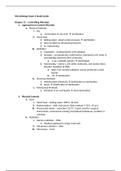
Chapter 11 – Controlling Microbes
1. Approaches to Control Microbes
a. Physical Methods
i. Dry
1. incineration or dry oven sterilization
ii. Moist heat
1. Boiling water, steam under pressure sterilization
2. Kills microbes by denaturing enzymes
3. Ex. Autoclaving
iii. Radiation
1. Irradiation – bombardment with radiation
2. Ionizing – can penetrate a solid barrier, bombard a cell, enter it,
and dislodge electrons form molecules
a. x-ray, cathode, gamma sterilization
3. Nonionizing – enters a cell, strike molecules, and excites them.
Results? Mutation of DNA
a. Note: non-ionizing radiation cannot penetrate a solid
barrier
b. UV disinfection
iv. Chemical Methods
1. Antimicrobial chemicals disinfection or sterilization
2. Gases disinfection of sterilization
v. Mechanical Methods
1. Filtration of air and liquids decontamination
2. Physical Controls
a. Heat
i. Moist heat – boiling water (100oC, 30 min)
ii. Pasteurization – milk, fruit juices; flash method (~72oC, 15 sec)
iii. Pressurized steam – autoclave (121oC, 15psi); used for surgical
instruments, commercial canning (clostridium botulinum, problem in
canning)
b. Radiation
i. Gamma radiation – DNA
1. Medical equipment, drugs, food-safe
ii. Ultraviolet radiation – DNA
iii. Microwave – heat
, 3. Factors in Treatment
a. Situation – home, hospital, lab, factory
i. Sepsis – the growth of microorganisms in the blood & other tissue
b. Surface or medium
c. Type and number of microorganisms
i. Highest resistance = endospores
ii. Moderate resistance = mycobacterium, S. aureus
iii. Least resistance = non-endospore formers
d. Environment
e. Concentration of agent being used
f. Mode of action
4. Mechanical Controls
a. 2 kinds
i. Fluid filtration
ii. Air filtration – HEPA; hospitals
b. Decontaminating Congress – letters containing Bacillus anthracis were opened in
Hart Office of US Senate in 2001
i. B. anthracis is spore-forming – eradication is tough; building was heavily
populated, needed to decontaminate heating/AC vents, carpet, furniture,
office equipment, sensitive papers, artwork, personal belongings
c. Decontamination Process
i. Size/scope – samples taken from 25 buildings
ii. Decontamination – vacuum with HEPA filter followed by tx with liquid
chlorine dioxide (sterilant used for treatment of medical waste) or a
decontamination foam; heavily contaminated areas used gaseous ClO 2
5. Chemical Controls
a. Factors for choosing appropriate germicide: storage/stability, residue,
cost/availability, environmental risk
b. Germicidal Chemical:
i. Alcohols, hydrogen peroxide (H2O2), ethylene oxide (used on medical
instruments, plastics; sugar, spices)
6. –static? or –cidal?
a. Bactericide – a chemical that destroys bacteria except for those in the endospore
stage
b. Germicide/Microbicide – chemical agents that kill microorganisms
c. Bacteristatic – prevent the growth of bacteria on tissues or on objects in the
environment
d. Fungistatic – inhibit fungal growth
e. Microbistatic – antiseptics & drugs (used in the body)
f. Degermination – reducing the number of microbes on the skin (ex. hand
sanitizers)
Chapter 11 – Controlling Microbes
1. Approaches to Control Microbes
a. Physical Methods
i. Dry
1. incineration or dry oven sterilization
ii. Moist heat
1. Boiling water, steam under pressure sterilization
2. Kills microbes by denaturing enzymes
3. Ex. Autoclaving
iii. Radiation
1. Irradiation – bombardment with radiation
2. Ionizing – can penetrate a solid barrier, bombard a cell, enter it,
and dislodge electrons form molecules
a. x-ray, cathode, gamma sterilization
3. Nonionizing – enters a cell, strike molecules, and excites them.
Results? Mutation of DNA
a. Note: non-ionizing radiation cannot penetrate a solid
barrier
b. UV disinfection
iv. Chemical Methods
1. Antimicrobial chemicals disinfection or sterilization
2. Gases disinfection of sterilization
v. Mechanical Methods
1. Filtration of air and liquids decontamination
2. Physical Controls
a. Heat
i. Moist heat – boiling water (100oC, 30 min)
ii. Pasteurization – milk, fruit juices; flash method (~72oC, 15 sec)
iii. Pressurized steam – autoclave (121oC, 15psi); used for surgical
instruments, commercial canning (clostridium botulinum, problem in
canning)
b. Radiation
i. Gamma radiation – DNA
1. Medical equipment, drugs, food-safe
ii. Ultraviolet radiation – DNA
iii. Microwave – heat
, 3. Factors in Treatment
a. Situation – home, hospital, lab, factory
i. Sepsis – the growth of microorganisms in the blood & other tissue
b. Surface or medium
c. Type and number of microorganisms
i. Highest resistance = endospores
ii. Moderate resistance = mycobacterium, S. aureus
iii. Least resistance = non-endospore formers
d. Environment
e. Concentration of agent being used
f. Mode of action
4. Mechanical Controls
a. 2 kinds
i. Fluid filtration
ii. Air filtration – HEPA; hospitals
b. Decontaminating Congress – letters containing Bacillus anthracis were opened in
Hart Office of US Senate in 2001
i. B. anthracis is spore-forming – eradication is tough; building was heavily
populated, needed to decontaminate heating/AC vents, carpet, furniture,
office equipment, sensitive papers, artwork, personal belongings
c. Decontamination Process
i. Size/scope – samples taken from 25 buildings
ii. Decontamination – vacuum with HEPA filter followed by tx with liquid
chlorine dioxide (sterilant used for treatment of medical waste) or a
decontamination foam; heavily contaminated areas used gaseous ClO 2
5. Chemical Controls
a. Factors for choosing appropriate germicide: storage/stability, residue,
cost/availability, environmental risk
b. Germicidal Chemical:
i. Alcohols, hydrogen peroxide (H2O2), ethylene oxide (used on medical
instruments, plastics; sugar, spices)
6. –static? or –cidal?
a. Bactericide – a chemical that destroys bacteria except for those in the endospore
stage
b. Germicide/Microbicide – chemical agents that kill microorganisms
c. Bacteristatic – prevent the growth of bacteria on tissues or on objects in the
environment
d. Fungistatic – inhibit fungal growth
e. Microbistatic – antiseptics & drugs (used in the body)
f. Degermination – reducing the number of microbes on the skin (ex. hand
sanitizers)