Jenna Strickland
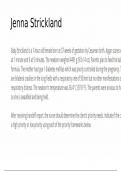
Baby Strickland is a 1-hour old female born at 37 weeks of gestation by Cesarean birth. Apgar scores w
at 1 minute and 9 at 5 minutes. The newborn weighed 4491 g (9 Ib 14 0z). Parents plan to feed the baby
formula. The mother has type 1 diabetes mellitus which was poorly controlled during the pregnancy. T
are bilateral crackles in the lung fields with a respiratory rate of 50/min but no other manifestations of
respiratory distress. The newborn's temperature was 36.4° C (97.6° F). The parents were anxious to hol
s0 she is swaddled and being held.
After receiving handoff report, the nurse should determine the client's priority needs. Indicate if the cl
a high priority or low priority using each of the priority frameworks below.
, You correctly selected 4 of the 5 responses.
Maslow's Hierarchy of Needs
Your response:
© High Priority
Urgent Versus Nonurgent
Your response is correct. Your response:
Rationale:
© High Priority
The nurse should identify that this newborn is a high priority when using Maslow’s Hierarchy of Needs framework to organize client
care. The newborn has a temperature below the expected reference range, bilateral crackles, and a risk for developing Your response is correct.
hypoglycemia. The nurse should plan to take immediate actions to address the newborn's physical needs.
Rationale:
The nurse should identify that this newborn is a high priority when using the Urgent versus Nonurgent framework to or
Airway, Breathing, Circulation care. The newborn's temperature is below the expected reference range. This can lead to the development of additiona
complications if prompt interventions are not taken.
Your response:
X High Priority
Chronic Versus Acute/Stable Versus Unstable
Your response is incorrect.
Your response:
Rationale:
© High Priority
The nurse should identify that this newborn is a low priority when using the Airway, Breathing, Circulation framework to organize
client care. The newborn was born 1 hr ago and is not exhibiting any manifestations that require immediate action to address an
airway, breathing or circulation need. Your response is correct.
Rationale:
The nurse should identify that this client is a high priority when using the Chronic vs Acute/Stable vs Unstable framewor
Safety and Risk Reduction
organize client care. The newborn is undergoing significant physiological changes during the transition from intrauterin
Your response:
extrauterine life. Additionally, the maternal history of diabetes and the newborn’s temperature increase the risk of compl
© High Priority
occurring. The nurse should take immediate actions to address the newborn’s temperature and potential blood sugar i
Your response is correct.
Rationale:
The nurse should identify that this newborn is a high priority when using the Safety and Risk Reduction framework to organize client
care. The newborn is at risk for hypoglycemia related to maternal diabetes and a temperature below the expected reference range.
The nurse should plan to take immediate actions to address the newborn's temperature and potential blood sugar instability.
Baby Strickland is a 1-hour old female born at 37 weeks of gestation by Cesarean birth. Apgar scores w
at 1 minute and 9 at 5 minutes. The newborn weighed 4491 g (9 Ib 14 0z). Parents plan to feed the baby
formula. The mother has type 1 diabetes mellitus which was poorly controlled during the pregnancy. T
are bilateral crackles in the lung fields with a respiratory rate of 50/min but no other manifestations of
respiratory distress. The newborn's temperature was 36.4° C (97.6° F). The parents were anxious to hol
s0 she is swaddled and being held.
After receiving handoff report, the nurse should determine the client's priority needs. Indicate if the cl
a high priority or low priority using each of the priority frameworks below.
, You correctly selected 4 of the 5 responses.
Maslow's Hierarchy of Needs
Your response:
© High Priority
Urgent Versus Nonurgent
Your response is correct. Your response:
Rationale:
© High Priority
The nurse should identify that this newborn is a high priority when using Maslow’s Hierarchy of Needs framework to organize client
care. The newborn has a temperature below the expected reference range, bilateral crackles, and a risk for developing Your response is correct.
hypoglycemia. The nurse should plan to take immediate actions to address the newborn's physical needs.
Rationale:
The nurse should identify that this newborn is a high priority when using the Urgent versus Nonurgent framework to or
Airway, Breathing, Circulation care. The newborn's temperature is below the expected reference range. This can lead to the development of additiona
complications if prompt interventions are not taken.
Your response:
X High Priority
Chronic Versus Acute/Stable Versus Unstable
Your response is incorrect.
Your response:
Rationale:
© High Priority
The nurse should identify that this newborn is a low priority when using the Airway, Breathing, Circulation framework to organize
client care. The newborn was born 1 hr ago and is not exhibiting any manifestations that require immediate action to address an
airway, breathing or circulation need. Your response is correct.
Rationale:
The nurse should identify that this client is a high priority when using the Chronic vs Acute/Stable vs Unstable framewor
Safety and Risk Reduction
organize client care. The newborn is undergoing significant physiological changes during the transition from intrauterin
Your response:
extrauterine life. Additionally, the maternal history of diabetes and the newborn’s temperature increase the risk of compl
© High Priority
occurring. The nurse should take immediate actions to address the newborn’s temperature and potential blood sugar i
Your response is correct.
Rationale:
The nurse should identify that this newborn is a high priority when using the Safety and Risk Reduction framework to organize client
care. The newborn is at risk for hypoglycemia related to maternal diabetes and a temperature below the expected reference range.
The nurse should plan to take immediate actions to address the newborn's temperature and potential blood sugar instability.