,Test Bank For Interpersonal Relationships (Professional Communication Skills For Nurses) 7Th Edition By Elizabeth C. Arnold;
Kathleen Underman Boggs
Effective Communication With Clients, Families, And Professional Colleagues Starts Here! With
Interpersonal Relationships: Professional Communication Skills For Nurses, 7th Edition, You’Ll See
How Good Communication Skills Can Lead To Achieving Treatment Goals In Health Care. Clear
Guidelines Show How You Can Enhance The Nurse-Client Relationship Through Proven Communication
Strategies As Well As Principles Drawn From Nursing, Psychology, And Related Theoretical
Frameworks. And You’Ll See How To Apply Theory To Real-Life Practice With Case Studies, Interactive
Exercises, And Evidence-Based Practice Studies. A Two-Time Winner Of The Ajn Book Of The Year
Award, This Book Is Updated To Emphasize Interdisciplinary Communication And Qsen Competencies.
From Expert Nursing Educators Elizabeth Arnold And Kathleen Underman Boggs, This Comprehensive,
Market-Leading Text Is Unmatched For Helping Nurses Develop Effective Communication Skills!
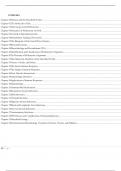
Table Of Contents
Part I: Conceptual Foundations Of Interpersonal Relationships And Professional Communication
Skills
1. Theory-Based Perspectives And Contemporary Dynamics
2. Professional Guides For Nursing Communication
3. Clinical Judgment And Ethical Decision Making
4. Clarity And Safety In Communication
Part Ii: Essential Communication Skills
5. Developing Therapeutic Communication Skills
6. Variation In Communication Styles
7. Intercultural Communication
8. Therapeutic Communication In Groups
Part Iii: Therapeutic Interpersonal Relationship Skills
,9. Self-Concept In Professional Interpersonal Relationships
10. Developing Therapeutic Relationships
11. Bridges And Barriers In Therapeutic Relationships
12. Communicating With Families
13. Resolving Conflicts Between Nurse And Client
Part Iv: Communicating To Foster Health Literacy And Health Promotion And Prevention Of
Disease Among Diverse Populations
14. Communicating To Encourage Health Literacy And Health Promotion And Prevention Of Disease
15. Health Teaching And Coaching
16. Empowerment-Oriented Communication Strategies To Reduce Stress
Part V: Accommodating Clients With Special Communication Needs
17. Communicating With Clients Experiencing Communication Deficits
18. Communicating With Children
19. Communicating With Older Adults
20. Communicating With Clients In Crisis
21. Communicating With Clients And Families At End Of Life
Part Vi: Collaborative And Professional Communication
22. Role Relationships And Interpersonal Communication
23. Communicating With Other Health Professionals
24. Communicating For Continuity Of Care
25. Documentation In An Electronic Era
26. Communication At The Point Of Care: Application Of e-Health Technologies
, Chapter 1: Theory Based Perspectives And Contemporary Dynamics
Arnold: Interpersonal Relationships, 7th Edition
Multiple Choice
1. When Describing Nursing To a Group Of Nursing Students, The Nursing Instructor Lists
All Of The Following Characteristics Of Nursing Except
a. Historically Nursing Is As Old As Mankind.
b. Nursing Was Originally Practiced Informally By Religious Orders Dedicated To
Care Of The Sick.
c. Nursing Was Later Practiced In The Home By Female Caregivers With No
Formal Education.
d. Nursing Has Always Been Identifiable As a Distinct Occupation.
Ans: A
Historically, Nursing Is As Old As Mankind. Originally Practiced Informally By Religious
Orders Dedicated To Care Of The Sick And Later In The Home By Female Caregivers With No
Formal Education, Nursing Was Not Identifiable As a Distinct Occupation Until The 1854
Crimean War. There, Florence Nightingale’s Notes On Nursing Introduced The World To The
Functional Roles Of Professional Nursing And The Need For Formal Education.
Dif: Cognitive Level: Comprehension Ref: p. 1
Top: Step Of The Nursing Process: All Phases
Msc: Client Needs: Psychosocial Integrity
2. The Nursing Profession’s First Nurse Researcher, Who Served As An Early Advocate For High-
Quality Care And Used Statistical Data To Document The Need For Handwashing In
Preventing Infection, Was
a. Abraham Maslow.
b. Martha Rogers.
c. Hildegard Peplau.
d. Florence Nightingale.
Ans: D
An Early Advocate For High-Quality Care, Florence Nightingale’s Use Of Statistical Data To
Document The Need For Handwashing In Preventing Infection Marks Her As The Profession’s
First Nurse Researcher.
Dif: Cognitive Level: Knowledge Ref: p. 1
Top: Step Of The Nursing Process: All Phases
Msc: Client Needs: Management Of Care
3. Today, Professional Nursing Education Begins At The
a. Undergraduate Level.
b. Graduate Level.
Kathleen Underman Boggs
Effective Communication With Clients, Families, And Professional Colleagues Starts Here! With
Interpersonal Relationships: Professional Communication Skills For Nurses, 7th Edition, You’Ll See
How Good Communication Skills Can Lead To Achieving Treatment Goals In Health Care. Clear
Guidelines Show How You Can Enhance The Nurse-Client Relationship Through Proven Communication
Strategies As Well As Principles Drawn From Nursing, Psychology, And Related Theoretical
Frameworks. And You’Ll See How To Apply Theory To Real-Life Practice With Case Studies, Interactive
Exercises, And Evidence-Based Practice Studies. A Two-Time Winner Of The Ajn Book Of The Year
Award, This Book Is Updated To Emphasize Interdisciplinary Communication And Qsen Competencies.
From Expert Nursing Educators Elizabeth Arnold And Kathleen Underman Boggs, This Comprehensive,
Market-Leading Text Is Unmatched For Helping Nurses Develop Effective Communication Skills!
Table Of Contents
Part I: Conceptual Foundations Of Interpersonal Relationships And Professional Communication
Skills
1. Theory-Based Perspectives And Contemporary Dynamics
2. Professional Guides For Nursing Communication
3. Clinical Judgment And Ethical Decision Making
4. Clarity And Safety In Communication
Part Ii: Essential Communication Skills
5. Developing Therapeutic Communication Skills
6. Variation In Communication Styles
7. Intercultural Communication
8. Therapeutic Communication In Groups
Part Iii: Therapeutic Interpersonal Relationship Skills
,9. Self-Concept In Professional Interpersonal Relationships
10. Developing Therapeutic Relationships
11. Bridges And Barriers In Therapeutic Relationships
12. Communicating With Families
13. Resolving Conflicts Between Nurse And Client
Part Iv: Communicating To Foster Health Literacy And Health Promotion And Prevention Of
Disease Among Diverse Populations
14. Communicating To Encourage Health Literacy And Health Promotion And Prevention Of Disease
15. Health Teaching And Coaching
16. Empowerment-Oriented Communication Strategies To Reduce Stress
Part V: Accommodating Clients With Special Communication Needs
17. Communicating With Clients Experiencing Communication Deficits
18. Communicating With Children
19. Communicating With Older Adults
20. Communicating With Clients In Crisis
21. Communicating With Clients And Families At End Of Life
Part Vi: Collaborative And Professional Communication
22. Role Relationships And Interpersonal Communication
23. Communicating With Other Health Professionals
24. Communicating For Continuity Of Care
25. Documentation In An Electronic Era
26. Communication At The Point Of Care: Application Of e-Health Technologies
, Chapter 1: Theory Based Perspectives And Contemporary Dynamics
Arnold: Interpersonal Relationships, 7th Edition
Multiple Choice
1. When Describing Nursing To a Group Of Nursing Students, The Nursing Instructor Lists
All Of The Following Characteristics Of Nursing Except
a. Historically Nursing Is As Old As Mankind.
b. Nursing Was Originally Practiced Informally By Religious Orders Dedicated To
Care Of The Sick.
c. Nursing Was Later Practiced In The Home By Female Caregivers With No
Formal Education.
d. Nursing Has Always Been Identifiable As a Distinct Occupation.
Ans: A
Historically, Nursing Is As Old As Mankind. Originally Practiced Informally By Religious
Orders Dedicated To Care Of The Sick And Later In The Home By Female Caregivers With No
Formal Education, Nursing Was Not Identifiable As a Distinct Occupation Until The 1854
Crimean War. There, Florence Nightingale’s Notes On Nursing Introduced The World To The
Functional Roles Of Professional Nursing And The Need For Formal Education.
Dif: Cognitive Level: Comprehension Ref: p. 1
Top: Step Of The Nursing Process: All Phases
Msc: Client Needs: Psychosocial Integrity
2. The Nursing Profession’s First Nurse Researcher, Who Served As An Early Advocate For High-
Quality Care And Used Statistical Data To Document The Need For Handwashing In
Preventing Infection, Was
a. Abraham Maslow.
b. Martha Rogers.
c. Hildegard Peplau.
d. Florence Nightingale.
Ans: D
An Early Advocate For High-Quality Care, Florence Nightingale’s Use Of Statistical Data To
Document The Need For Handwashing In Preventing Infection Marks Her As The Profession’s
First Nurse Researcher.
Dif: Cognitive Level: Knowledge Ref: p. 1
Top: Step Of The Nursing Process: All Phases
Msc: Client Needs: Management Of Care
3. Today, Professional Nursing Education Begins At The
a. Undergraduate Level.
b. Graduate Level.