Grand Challenges for Sustainability: Summary
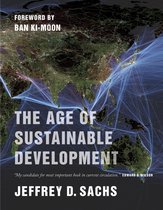
Sachs Chapter 1: Introduction to Sustainable Development
Sustainable development is a normative outlook on the world: it recommends a set of
goals to which the world should aspire.
Four basic objectives of a good society:
• Economic prosperity
• Social inclusion and cohesion
• Environmental sustainability
• Good governance by governments and businesses
Sustainable development: development that meets the needs of the present without
compromising the ability of future generations to meet their own needs.
Four complex interacting systems in sustainable development:
• A global economy
• Social interactions
• Changes to complex Earth systems
• Problems of governance
Three aspects of technology in sustainable development:
• Technological advances are the main driver of long-term global economic growth
• Technological advances often have negative side effects
• Technological advance is to some extent under human guidance
Five kinds of concern about the distribution of wellbeing:
• Extreme poverty
• Inequality
• Social mobility
• Discrimination
• Social cohesion
Social inclusion entails:
• Ending extreme poverty
• Reduce gaps of wealth and poverty
• High degree of social mobility
• No discrimination on gender, race, religion, and ethnicity
• Social trust, mutual support, moral values, and cohesion
, A good society is economically prosperous, socially inclusive, environmentally
sustainable, and well governed.
GDP (Gross Domestic Product): the market value of total production within the
country in a given time period, usually a year.
GNP (Gross National Product): how much of the market value stays in the country, this
is an income-based measure.
Economic growth (simplified): increase in GDP, change in the GDP over a given time
period.
Countries with a higher GDP tend to have:
• Higher material wellbeing
• Higher consumption levels
• Greater food security
• Longer lives
• Greater protection from diseases and environmental catastrophes
• Lower chance of violence and war
Rule of 70: rule of thumb for economic growth
70
# 𝑜𝑓 𝑦𝑒𝑎𝑟𝑠 𝑡𝑜 𝑑𝑜𝑢𝑏𝑙𝑒 𝑡ℎ𝑒 𝑒𝑐𝑜𝑛𝑜𝑚𝑦 𝑖𝑛 𝑠𝑖𝑧𝑒 =
% increase in GDP per person per year
More income per person + more people on the planet means a massive expansion of
total economic activity.
Extreme poverty: inability to meet basic human needs for food, water, sanitation, safe
energy, education, and a livelihood.
Economies with low GDP per capita also tend to be places where households live in
extreme poverty.
Economic growth is more difficult for landlocked countries as economic growth often
depends on international trade, which is difficult for a country located far away from a
port.
Hydrometeorological disasters: water- and weather-related disasters.
Anthropocene: a new name for the age we live in. Era in which humanity is creating
major disruptions of Earth’s physical and biological systems.
- Anthropos: humankind (Greek)
Sachs Chapter 1: Introduction to Sustainable Development
Sustainable development is a normative outlook on the world: it recommends a set of
goals to which the world should aspire.
Four basic objectives of a good society:
• Economic prosperity
• Social inclusion and cohesion
• Environmental sustainability
• Good governance by governments and businesses
Sustainable development: development that meets the needs of the present without
compromising the ability of future generations to meet their own needs.
Four complex interacting systems in sustainable development:
• A global economy
• Social interactions
• Changes to complex Earth systems
• Problems of governance
Three aspects of technology in sustainable development:
• Technological advances are the main driver of long-term global economic growth
• Technological advances often have negative side effects
• Technological advance is to some extent under human guidance
Five kinds of concern about the distribution of wellbeing:
• Extreme poverty
• Inequality
• Social mobility
• Discrimination
• Social cohesion
Social inclusion entails:
• Ending extreme poverty
• Reduce gaps of wealth and poverty
• High degree of social mobility
• No discrimination on gender, race, religion, and ethnicity
• Social trust, mutual support, moral values, and cohesion
, A good society is economically prosperous, socially inclusive, environmentally
sustainable, and well governed.
GDP (Gross Domestic Product): the market value of total production within the
country in a given time period, usually a year.
GNP (Gross National Product): how much of the market value stays in the country, this
is an income-based measure.
Economic growth (simplified): increase in GDP, change in the GDP over a given time
period.
Countries with a higher GDP tend to have:
• Higher material wellbeing
• Higher consumption levels
• Greater food security
• Longer lives
• Greater protection from diseases and environmental catastrophes
• Lower chance of violence and war
Rule of 70: rule of thumb for economic growth
70
# 𝑜𝑓 𝑦𝑒𝑎𝑟𝑠 𝑡𝑜 𝑑𝑜𝑢𝑏𝑙𝑒 𝑡ℎ𝑒 𝑒𝑐𝑜𝑛𝑜𝑚𝑦 𝑖𝑛 𝑠𝑖𝑧𝑒 =
% increase in GDP per person per year
More income per person + more people on the planet means a massive expansion of
total economic activity.
Extreme poverty: inability to meet basic human needs for food, water, sanitation, safe
energy, education, and a livelihood.
Economies with low GDP per capita also tend to be places where households live in
extreme poverty.
Economic growth is more difficult for landlocked countries as economic growth often
depends on international trade, which is difficult for a country located far away from a
port.
Hydrometeorological disasters: water- and weather-related disasters.
Anthropocene: a new name for the age we live in. Era in which humanity is creating
major disruptions of Earth’s physical and biological systems.
- Anthropos: humankind (Greek)