crw1501
exam pack
Questions +
Answers
ExamPrepQNA™
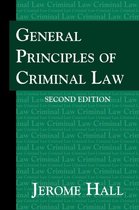
General Principles
Criminal Law
,crw1501
EXAM pack
Questions +
Answers
ExamPrepQNA™
General Principles
Criminal Law
,Unit 1 - Intro
Distinguish between a crime and a delict.(5)
Crime Delict
1 Directed against public interests. Directed against private interests.
2 Form part of public law. Form part of private law.
3 State prosecutes. Private party institutes action.
4 Result in the imposition of punishment by Result in the guilty party being ordered to
the state. pay damages to the injured party.
5 State prosecutes perpetrator irrespective of Injured party can choose whether he wishes
the desires of private individual. to claim damages or not.
6 Trial governed by rules of criminal Trial governed by rules of civil procedure.
procedure.
(a) Name the four requirements for criminal liability in the correct sequence. (5)
1. Conduct - -Conduct can lead to liability only if it is voluntary ie. capable of subjecting
his bodily or muscular movements to his will or intellect.
- An omission can lead to liability only if the law imposed a duty on X to act positively
and he failed to do so.
2. which complies with the definitional elements of the crime - Definitional elements is
the concise definition of the type of conduct and the circumstances in which that
conduct must take place in order to constitute an offence
3. which is unlawful - Conduct that is contrary to the totality of the rules of law, including
rules which in certain circumstances allow a person to commit an act which is
contrary to the letter of legal prohibition or norm.
4. and culpable - ie. grounds upon which X may personally be blamed.
- Subrequirements
1. Criminal Capacity
a) The ability to appreciate the wrongfulness of his act
b) The ability to act in accordance with such an appreciation
2. Act must be either intentional or negligent
(b) X, a sixty-three-year-old public prosecutor who suffers from diabetes, is charged with the
crime of corruption. The state’s evidence reveals that X received R30 000 from Y in exchange
for destroying a police docket which implicated Y in several fraudulent activities. X is
Want to earn R1,135 per month?
, convicted of corruption. X has no criminal record. The state prosecutor argues that the
appropriate sentence for X’s crime is imprisonment for a period of five years because
persons in public office should be deterred from abusing their powers. X’s legal advisor
disagrees with these submissions. She argues that imprisonment for a period of five years is
too harsh a sentence, considering the age, health and clean record of the accused. In her
view, a sentence of imprisonment would place too much emphasis on general deterrence,
and disregards the principle of proportionality embodied in the theory of retribution.
With reference to the decision in Zinn 1969 (2) SA 537 (A), discuss the merits of these
arguments. In your answer you must explain the difference between the absolute and
relative theories of punishment. (7)
in Zinn the court held that three factors must be taken into account when a court sentences
an offender. These factors are:
the crime,
the criminal, and
the interests of society.
By “crime” is meant that regard must be taken concerning the degree of harm or the
seriousness of the violation. This consideration is important in terms of the theory of retribution.
The theory of retribution is an absolute theory of punishment which means that punishment is
an end in itself and not a means to a second end. Punishment is justified because it is the
offender’s just desert. Retribution requires the restoring of the legal balance which has been
disturbed by the commission of the crime. The theory therefore requires that the extent of the
punishment must be proportionate to the extent of the harm done. In deciding upon an
appropriate punishment, application of the theory of retribution is imperative, because it is
the only theory of punishment which requires a proportional relationship between the harm
done and the punishment imposed.
Conversely, the relative theories of punishment strive to achieve a secondary goal: for
example, deterrence of the community or the offender, reformation of the offender or
prevention of the crime. In Zinn it was held that, apart from the seriousness of the crime, the
interests of the criminal should also be taken into account. Relative theories of punishment
(eg the reformative theory) are relevant in this context. The court must consider which
punishment will be appropriate considering the person and personality of the offender.
Questions that may arise in this context is whether the offender should be incarcerated, or
whether he or she can be reformed by some other kind of punishment, (eg community
service).The theory of individual deterrence is also applicable in the context of the “criminal”.
Will the punishment deter him or her from engaging once again in criminal activity?
Want to earn R1,135 per month?
exam pack
Questions +
Answers
ExamPrepQNA™
General Principles
Criminal Law
,crw1501
EXAM pack
Questions +
Answers
ExamPrepQNA™
General Principles
Criminal Law
,Unit 1 - Intro
Distinguish between a crime and a delict.(5)
Crime Delict
1 Directed against public interests. Directed against private interests.
2 Form part of public law. Form part of private law.
3 State prosecutes. Private party institutes action.
4 Result in the imposition of punishment by Result in the guilty party being ordered to
the state. pay damages to the injured party.
5 State prosecutes perpetrator irrespective of Injured party can choose whether he wishes
the desires of private individual. to claim damages or not.
6 Trial governed by rules of criminal Trial governed by rules of civil procedure.
procedure.
(a) Name the four requirements for criminal liability in the correct sequence. (5)
1. Conduct - -Conduct can lead to liability only if it is voluntary ie. capable of subjecting
his bodily or muscular movements to his will or intellect.
- An omission can lead to liability only if the law imposed a duty on X to act positively
and he failed to do so.
2. which complies with the definitional elements of the crime - Definitional elements is
the concise definition of the type of conduct and the circumstances in which that
conduct must take place in order to constitute an offence
3. which is unlawful - Conduct that is contrary to the totality of the rules of law, including
rules which in certain circumstances allow a person to commit an act which is
contrary to the letter of legal prohibition or norm.
4. and culpable - ie. grounds upon which X may personally be blamed.
- Subrequirements
1. Criminal Capacity
a) The ability to appreciate the wrongfulness of his act
b) The ability to act in accordance with such an appreciation
2. Act must be either intentional or negligent
(b) X, a sixty-three-year-old public prosecutor who suffers from diabetes, is charged with the
crime of corruption. The state’s evidence reveals that X received R30 000 from Y in exchange
for destroying a police docket which implicated Y in several fraudulent activities. X is
Want to earn R1,135 per month?
, convicted of corruption. X has no criminal record. The state prosecutor argues that the
appropriate sentence for X’s crime is imprisonment for a period of five years because
persons in public office should be deterred from abusing their powers. X’s legal advisor
disagrees with these submissions. She argues that imprisonment for a period of five years is
too harsh a sentence, considering the age, health and clean record of the accused. In her
view, a sentence of imprisonment would place too much emphasis on general deterrence,
and disregards the principle of proportionality embodied in the theory of retribution.
With reference to the decision in Zinn 1969 (2) SA 537 (A), discuss the merits of these
arguments. In your answer you must explain the difference between the absolute and
relative theories of punishment. (7)
in Zinn the court held that three factors must be taken into account when a court sentences
an offender. These factors are:
the crime,
the criminal, and
the interests of society.
By “crime” is meant that regard must be taken concerning the degree of harm or the
seriousness of the violation. This consideration is important in terms of the theory of retribution.
The theory of retribution is an absolute theory of punishment which means that punishment is
an end in itself and not a means to a second end. Punishment is justified because it is the
offender’s just desert. Retribution requires the restoring of the legal balance which has been
disturbed by the commission of the crime. The theory therefore requires that the extent of the
punishment must be proportionate to the extent of the harm done. In deciding upon an
appropriate punishment, application of the theory of retribution is imperative, because it is
the only theory of punishment which requires a proportional relationship between the harm
done and the punishment imposed.
Conversely, the relative theories of punishment strive to achieve a secondary goal: for
example, deterrence of the community or the offender, reformation of the offender or
prevention of the crime. In Zinn it was held that, apart from the seriousness of the crime, the
interests of the criminal should also be taken into account. Relative theories of punishment
(eg the reformative theory) are relevant in this context. The court must consider which
punishment will be appropriate considering the person and personality of the offender.
Questions that may arise in this context is whether the offender should be incarcerated, or
whether he or she can be reformed by some other kind of punishment, (eg community
service).The theory of individual deterrence is also applicable in the context of the “criminal”.
Will the punishment deter him or her from engaging once again in criminal activity?
Want to earn R1,135 per month?