NUR 2063 Patho_Exam_2_Study_Guide
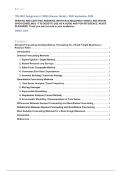
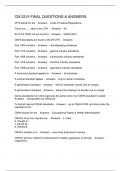
NUR 2063 Patho_Exam_2_Study_Guide Essentials of Pathophysiology – Exam #2 Review Sheet Covers Modules 4, 5, and 6 – Chapters 27, 28, 29, 31, 33, 34, 36, 37, 38, 40, 41 1. What is gastritis? What are causes? • Inflammation of the stomach lining. • Gastritis is caused by ingestion of irritating substances such as alcohol, aspirin, NSAIDS, consequence of viral, bacterial, or autoimmune diseases. • 2. What is GERD? What are causes to this condition? What are complications of GERD if left untreated? • Gastro Esophageal Reflux Disease (contents of the stomach coming up) • Backflow of gastric contents into esophagus through the lower esophageal sphincter, which causes inflammation of stomach and small intestine. • Causes: any condition or agent that alters closure strength of LES or increases abdominal pressure, fatty foods, caffeine, large amounts of alcohol, cigarette smoke, pregnancy, anatomic features (ex. hiatal hernia) • Symptoms: Heart burn, regurgitation, chest pain, dysphagia • Complications: Barret Esophagus (columnar tissue replaces normal squamous epithelium of the distal esophagus), progression can lead to ulceration or fibrotic scarring, esophageal strictures, ppapillo • pulmonary symptoms (cough, asthma, laryngitis from reflux in breathing passages) 3. Review signs and symptoms of peptic use. What is the role of H. pylori in this condition? • It’s disorders of the upper GI tract caused by action of acid and pepsin. • H. Pylori which is a key role in promoting both gastric and duodenal ulcer formation. It thrives in acidic conditions, slows rate of ulcer healing, high rate of reoccurrence, clearance of H. Pylori promotes ulcer healing. • Signs and symptoms: epigastric burning that is usually relieved by the intake of food, especially dairy or antacids, pain of ulcers usually occurs on an empty stomach. Life threatening complications can also include GI bleeding. 4. What is pseudomembranous colitis? What contributes to this condition? What are ways that it can be treated? • It is acute inflammation and necrosis of the large intestine that causes diarrhea, abdominal pain, fever, leukocytosis, sepsis, colonic perforation. • Caused by Clostridium difficile and mediated by bacterial toxins. • Treatment: stop current antibiotic if possible, treat ischemia, treat contributing conditions, oral antibiotics such as metronidazole or vancomycin, fecal transplant, but reoccurrence is common. 5. Review examples of inflammatory bowel conditions and their causes such as Crohn’s disease, ulcerative colitis, celiac disease
Written for
- Institution
- Rasmussen College
- Course
- NUR 2063 Patho_Exam_2_Study_Guide
Document information
- Uploaded on
- November 8, 2021
- Number of pages
- 6
- Written in
- 2021/2022
- Type
- Exam (elaborations)
- Contains
- Questions & answers
Subjects
-
and 6 – chapters 27
-
28
-
29
-
31
-
33
-
34
-
36
-
37
-
38
-
40
-
nur 2063 pathoexam2studyguide essentials of pathophysiology – exam 2 review sheet covers modules 4
-
5
-
41 1 what is gastritis what are ca