

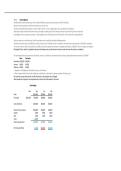
17-14. Cash Budgeting
Dorothy Koehl recently leased space in the Southside Mall and opened a new business, Koehl's Doll Shop.
Business has been good, but Koehl has frequently run out of cash.
This has necessitated late payment on certain orders, which, in turn, is beginning to cause a problem with suppliers.
Koehl plans to borrow from the bank to have cash ready as needed, but first she needs a forecast of just how much she must borrow.
Accordingly, she has asked you to prepare a cash budget for the critical period around Christmas, when needs will be especially high.
Sales are made on a cash basis only. Koehl's purchases must be paid for during the following month.
Koehl pays herself a salary of $4,800 per month, and the rent is $2,000 per month. In addition, she must make a tax payment of $12,000 in December.
The current cash on hand (on December 1) is $400, but Koehl has agreed to maintain an average bank balance of $6,000—this is her target cash balance.
(Disregard till cash, which is insignificant because Koehl keeps only a small amount on hand in order to lessen the chances of robbery.)
The estimated sales and purchases for December, January, and February are shown below. Purchases during November amounted to $140,000.
Sales Purchases
December $160,000 $40,000
January 40,000 40,000
February 60,000 40,000
a. Prepare a cash budget for December, January, and February.
b. Now, suppose Koehl were to start selling on a credit basis on December 1, giving customers 30 days to pay.
All customers accept these terms, and all other facts in the problem are unchanged.
What would the company's loan requirements be at the end of December in this case?
Cash Budget
Nov Dec Jan Feb
Sales $160,000 $40,000 $60,000
Purchases $140,000 $40,000 $40,000 $40,000
Cash collections $160,000 $40,000 $60,000
Payment for purchases $140,000 $40,000 $40,000
Salaries 4,800 4,800 4,800
Rent 2,000 2,000 2,000
Taxes 12,000
Total cash payments $158,800 $46,800 $46,800
Net cash gain/(loss) $1,200 ($6,800) $13,200
, Cash at start of month $400 $1,600 ($5,200)
Cumulative cash $1,600 ($5,200) $8,000
Target cash balance $6,000 $6,000 $6,000
Cumulative cash surplus/(deficit) ($4,400) ($11,200) $2,000
b. If the company began selling on credit on December 1, then it would have zero receipts during
December, down from $160,000. Thus, it would have to borrow an additional $160,000, so its
loans outstanding by December 31 would be $164,400. The loan requirements would build
gradually during the month.
, 17-14. Cash Budgeting
Sales are made on a cash basis only.
Koehl's purchases must be paid for during the following month.
Koehl pays herself a salary of $4,800 per month, and the rent is $2,000 per month.
The current cash on hand (on December 1) is $400, but Koehl has agreed to mainta
(Disregard till cash, which is insignificant because Koehl keeps only a small amount
The estimated sales and purchases for December, January, and February are shown
Sales Purchases
December $160,000 $40,000
January 40,000 40,000
February 60,000 40,000
a. Prepare a cash budget for December, January, and February.
b. Now, suppose Koehl were to start selling on a credit basis on December 1, giving
All customers accept these terms, and all other facts in the problem are unchanged
What would the company's loan requirements be at the end of December in this ca
Cash Budget Schedule
November December January February
Cash Sales $ 160,000 $ 40,000 $ 60,000
Purchase $140,000 $ 40,000 $ 40,000 $ 40,000
Total Collections $ 160,000 $ 40,000 $ 60,000
Cash Payments:
Purchases $ 140,000 $ 40,000 $ 40,000
Salary $ 4,800 $ 4,800 $ 4,800
Rent $ 2,000 $ 2,000 $ 2,000
Tax Payments $ 12,000 - -
Total Cash Payments $ 158,800 $ 46,800 $ 46,800
Net Cash Gain/Loss $ 1,200 $ (6,800) $ 13,200
Dorothy Koehl recently leased space in the Southside Mall and opened a new business, Koehl's Doll Shop.
Business has been good, but Koehl has frequently run out of cash.
This has necessitated late payment on certain orders, which, in turn, is beginning to cause a problem with suppliers.
Koehl plans to borrow from the bank to have cash ready as needed, but first she needs a forecast of just how much she must borrow.
Accordingly, she has asked you to prepare a cash budget for the critical period around Christmas, when needs will be especially high.
Sales are made on a cash basis only. Koehl's purchases must be paid for during the following month.
Koehl pays herself a salary of $4,800 per month, and the rent is $2,000 per month. In addition, she must make a tax payment of $12,000 in December.
The current cash on hand (on December 1) is $400, but Koehl has agreed to maintain an average bank balance of $6,000—this is her target cash balance.
(Disregard till cash, which is insignificant because Koehl keeps only a small amount on hand in order to lessen the chances of robbery.)
The estimated sales and purchases for December, January, and February are shown below. Purchases during November amounted to $140,000.
Sales Purchases
December $160,000 $40,000
January 40,000 40,000
February 60,000 40,000
a. Prepare a cash budget for December, January, and February.
b. Now, suppose Koehl were to start selling on a credit basis on December 1, giving customers 30 days to pay.
All customers accept these terms, and all other facts in the problem are unchanged.
What would the company's loan requirements be at the end of December in this case?
Cash Budget
Nov Dec Jan Feb
Sales $160,000 $40,000 $60,000
Purchases $140,000 $40,000 $40,000 $40,000
Cash collections $160,000 $40,000 $60,000
Payment for purchases $140,000 $40,000 $40,000
Salaries 4,800 4,800 4,800
Rent 2,000 2,000 2,000
Taxes 12,000
Total cash payments $158,800 $46,800 $46,800
Net cash gain/(loss) $1,200 ($6,800) $13,200
, Cash at start of month $400 $1,600 ($5,200)
Cumulative cash $1,600 ($5,200) $8,000
Target cash balance $6,000 $6,000 $6,000
Cumulative cash surplus/(deficit) ($4,400) ($11,200) $2,000
b. If the company began selling on credit on December 1, then it would have zero receipts during
December, down from $160,000. Thus, it would have to borrow an additional $160,000, so its
loans outstanding by December 31 would be $164,400. The loan requirements would build
gradually during the month.
, 17-14. Cash Budgeting
Sales are made on a cash basis only.
Koehl's purchases must be paid for during the following month.
Koehl pays herself a salary of $4,800 per month, and the rent is $2,000 per month.
The current cash on hand (on December 1) is $400, but Koehl has agreed to mainta
(Disregard till cash, which is insignificant because Koehl keeps only a small amount
The estimated sales and purchases for December, January, and February are shown
Sales Purchases
December $160,000 $40,000
January 40,000 40,000
February 60,000 40,000
a. Prepare a cash budget for December, January, and February.
b. Now, suppose Koehl were to start selling on a credit basis on December 1, giving
All customers accept these terms, and all other facts in the problem are unchanged
What would the company's loan requirements be at the end of December in this ca
Cash Budget Schedule
November December January February
Cash Sales $ 160,000 $ 40,000 $ 60,000
Purchase $140,000 $ 40,000 $ 40,000 $ 40,000
Total Collections $ 160,000 $ 40,000 $ 60,000
Cash Payments:
Purchases $ 140,000 $ 40,000 $ 40,000
Salary $ 4,800 $ 4,800 $ 4,800
Rent $ 2,000 $ 2,000 $ 2,000
Tax Payments $ 12,000 - -
Total Cash Payments $ 158,800 $ 46,800 $ 46,800
Net Cash Gain/Loss $ 1,200 $ (6,800) $ 13,200


