Science Medicine
NR565 week 5
Save
Students also studied
PEDS - Exam 3, Endocrine Angina and Antilipemic agents L11: Adrenal Cortex Medulla III Pharm
91 terms 27 terms 90 terms 193 term
Haolerme Preview dracz78 Preview acooper017 Preview ken
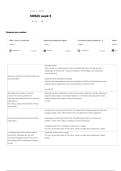
Hypothyroidism:
Thick, coarse, dry Hyporeflexia, "hung up" patella reflex Slow thought process,
Weight gain (5-10 lbs./2.25-4.5 kg) Constipation, Menorrhagia, Cold intolerance:
Cold all the time
Signs and symptoms of hypothyroidism and
hyperthyroidism Hyperthyroidism (aka graves disease):
Smooth, silky Hyperreflexia, Mind racing, Weight loss (10 lbs./4.5 kg) Diarrhea, loose,
frequent stools, Oligomenorrhea, Heat intolerance: Hot all the time
pg. 418-419
What adjunctive therapy is good to β-Blockers and nonradioactive iodine may be used as adjunctive therapy. β-Blockers
prescribe to control symptoms of suppress tachycardia by blocking β-receptors on the heart. Nonradioactive iodine
hyperthyroidism other than thyroid specific inhibits synthesis and release of thyroid hormones.
medications? pg. 419
Know drug classes and examples of those
drug classes.
levothyroxine-Monitoring: Check TSH 6-8 weeks after initiating therapy and after any
dosage change. Check TSH at least once a year after serum TSH is stabilized.
Monitoring needs and intervals for thyroid Methimazole-Monitoring: Check CBC with differential if signs or symptoms of
medications. infection. Check LFTs if signs or symptoms of liver dysfunction.
Propylthiouracil (PTU)- Treatment continues for 1-2 years
PTU has caused rare cases of liver injury. Onset is sudden and progression is rapid.
- Propylthiouracil (PTU) carries a risk for Treatment continues for 1-2 years
liver toxicity. Although rare, the FDA PTU has caused rare cases of liver injury. Onset is sudden and progression is rapid.
recommends against using PTU as a first- pg 421
line treatment due to potential for hepatic
toxicity.
, Maternal hypothyroidism can result in permanent neuropsychological deficits in the
child.
can decrease IQ and other aspects of neuropsychological function in the child.
teaching:
to help ensure healthy fetal development, maternal hypothyroidism must be
diagnosed and treated very early.
- Effects of maternal hypothyroidism on some authorities currently recommend routine screening for hypothyroidism as soon
offspring and appropriate patient teaching as pregnancy is confirmed. If hypothyroidism is diagnosed, replacement therapy
related to need for treatment. should begin immediately.
the signs and symptoms of pregnancy mimics those of hypothyroidism
When women taking thyroid supplements become pregnant, dosage requirements
usually increase—often by as much as 50%. The need for increased dosage begins
between weeks 4 and 8 of gestation, levels off at approximately week 16, and then
remains steady until parturition.
pg. 418
:levothyroxine:
should be taken on an empty stomach in the morning, at least 30 to 60 minutes
before breakfast.
Inform patients about the symptoms of thyrotoxicosis and instruct them to notify the
prescriber if these develop (Sweating, irritability, weight loss, tachycardia)Instruct
patients to separate administration of levothyroxine and these drugs by 4 hours
Overdose may cause thyrotoxicosis. Symptoms include tachycardia, angina, tremor,
nervousness, insomnia, sweating, and heat intolerance.
methamizole:
Agranulocytosis: Inform patients about early signs of agranulocytosis, including fever
- Patient teaching for thyroid medications. or sore throat. If follow-up blood tests reveal leukopenia, methimazole should be
stopped.
Hypothyroidism: Methimazole may cause excessive reductions in thyroid hormone
synthesis. If signs of hypothyroidism develop or if plasma levels of T3 and T4 become
subnormal, dosage should be reduced.
Radioactive Iodine:
Inform patients about symptoms of iodism, including brassy taste, burning sensations
in the mouth, and soreness of gums and teeth. Iodine can also cause corrosive injury
to the GI tract. Instruct patients to notify the prescriber if severe abdominal distress
develops.
PTU:
can cause rare cases of liver injury
, Hypoglycemic agents.
Drugs that lower blood glucose levels can intensify hypoglycemia induced by
insulin. Among these drugs are sulfonylureas, glinides, and alcohol (used acutely or
long term in excessive doses). When these drugs are combined with insulin, special
care must be taken to ensure as best as possible that blood glucose does not fall
too low.
Hyperglycemic agents.
Drugs that raise blood glucose (e.g., thiazide diuretics, glucocorticoids,
sympathomimetics) can counteract the desired effects of insulin. When these agents
are combined with insulin, insulin dosage may need to be increased.
What drug class can interfere with the
β-Adrenergic blocking agents.
assessment and monitoring of diabetes and
β-Blockers can delay awareness of and response to hypoglycemia by masking signs
why?
that are associated with stimulation of the sympathetic nervous system (e.g.,
o You will need connect pathophysiology
tachycardia, palpitations) that hypoglycemia normally causes. Furthermore, because
information of medications and diabetes
β-blockade impairs glycogenolysis and because glycogenolysis is one means by
together. Think about alpha and beta cells.
which the body can respond to and counteract a fall in blood glucose, β-blockers
can make insulin-induced hypoglycemia even worse by preventing the body's
natural counterregulatory response.
Coadministration of canagliflozin with Uridine 5'-diphospho-glucuronosyltransferase
inducers—such as rifampin, phenytoin, or phenobarbital—can decrease canagliflozin
efficacy. Accordingly, if used with such an agent, the 300-mg canagliflozin dose
should be considered. Because canagliflozin causes a diuretic effect, the risk for
dehydration and hypotension may be increased when used in combination with
thiazide and loop diuretics.
pg. 406
NR565 week 5
Save
Students also studied
PEDS - Exam 3, Endocrine Angina and Antilipemic agents L11: Adrenal Cortex Medulla III Pharm
91 terms 27 terms 90 terms 193 term
Haolerme Preview dracz78 Preview acooper017 Preview ken
Hypothyroidism:
Thick, coarse, dry Hyporeflexia, "hung up" patella reflex Slow thought process,
Weight gain (5-10 lbs./2.25-4.5 kg) Constipation, Menorrhagia, Cold intolerance:
Cold all the time
Signs and symptoms of hypothyroidism and
hyperthyroidism Hyperthyroidism (aka graves disease):
Smooth, silky Hyperreflexia, Mind racing, Weight loss (10 lbs./4.5 kg) Diarrhea, loose,
frequent stools, Oligomenorrhea, Heat intolerance: Hot all the time
pg. 418-419
What adjunctive therapy is good to β-Blockers and nonradioactive iodine may be used as adjunctive therapy. β-Blockers
prescribe to control symptoms of suppress tachycardia by blocking β-receptors on the heart. Nonradioactive iodine
hyperthyroidism other than thyroid specific inhibits synthesis and release of thyroid hormones.
medications? pg. 419
Know drug classes and examples of those
drug classes.
levothyroxine-Monitoring: Check TSH 6-8 weeks after initiating therapy and after any
dosage change. Check TSH at least once a year after serum TSH is stabilized.
Monitoring needs and intervals for thyroid Methimazole-Monitoring: Check CBC with differential if signs or symptoms of
medications. infection. Check LFTs if signs or symptoms of liver dysfunction.
Propylthiouracil (PTU)- Treatment continues for 1-2 years
PTU has caused rare cases of liver injury. Onset is sudden and progression is rapid.
- Propylthiouracil (PTU) carries a risk for Treatment continues for 1-2 years
liver toxicity. Although rare, the FDA PTU has caused rare cases of liver injury. Onset is sudden and progression is rapid.
recommends against using PTU as a first- pg 421
line treatment due to potential for hepatic
toxicity.
, Maternal hypothyroidism can result in permanent neuropsychological deficits in the
child.
can decrease IQ and other aspects of neuropsychological function in the child.
teaching:
to help ensure healthy fetal development, maternal hypothyroidism must be
diagnosed and treated very early.
- Effects of maternal hypothyroidism on some authorities currently recommend routine screening for hypothyroidism as soon
offspring and appropriate patient teaching as pregnancy is confirmed. If hypothyroidism is diagnosed, replacement therapy
related to need for treatment. should begin immediately.
the signs and symptoms of pregnancy mimics those of hypothyroidism
When women taking thyroid supplements become pregnant, dosage requirements
usually increase—often by as much as 50%. The need for increased dosage begins
between weeks 4 and 8 of gestation, levels off at approximately week 16, and then
remains steady until parturition.
pg. 418
:levothyroxine:
should be taken on an empty stomach in the morning, at least 30 to 60 minutes
before breakfast.
Inform patients about the symptoms of thyrotoxicosis and instruct them to notify the
prescriber if these develop (Sweating, irritability, weight loss, tachycardia)Instruct
patients to separate administration of levothyroxine and these drugs by 4 hours
Overdose may cause thyrotoxicosis. Symptoms include tachycardia, angina, tremor,
nervousness, insomnia, sweating, and heat intolerance.
methamizole:
Agranulocytosis: Inform patients about early signs of agranulocytosis, including fever
- Patient teaching for thyroid medications. or sore throat. If follow-up blood tests reveal leukopenia, methimazole should be
stopped.
Hypothyroidism: Methimazole may cause excessive reductions in thyroid hormone
synthesis. If signs of hypothyroidism develop or if plasma levels of T3 and T4 become
subnormal, dosage should be reduced.
Radioactive Iodine:
Inform patients about symptoms of iodism, including brassy taste, burning sensations
in the mouth, and soreness of gums and teeth. Iodine can also cause corrosive injury
to the GI tract. Instruct patients to notify the prescriber if severe abdominal distress
develops.
PTU:
can cause rare cases of liver injury
, Hypoglycemic agents.
Drugs that lower blood glucose levels can intensify hypoglycemia induced by
insulin. Among these drugs are sulfonylureas, glinides, and alcohol (used acutely or
long term in excessive doses). When these drugs are combined with insulin, special
care must be taken to ensure as best as possible that blood glucose does not fall
too low.
Hyperglycemic agents.
Drugs that raise blood glucose (e.g., thiazide diuretics, glucocorticoids,
sympathomimetics) can counteract the desired effects of insulin. When these agents
are combined with insulin, insulin dosage may need to be increased.
What drug class can interfere with the
β-Adrenergic blocking agents.
assessment and monitoring of diabetes and
β-Blockers can delay awareness of and response to hypoglycemia by masking signs
why?
that are associated with stimulation of the sympathetic nervous system (e.g.,
o You will need connect pathophysiology
tachycardia, palpitations) that hypoglycemia normally causes. Furthermore, because
information of medications and diabetes
β-blockade impairs glycogenolysis and because glycogenolysis is one means by
together. Think about alpha and beta cells.
which the body can respond to and counteract a fall in blood glucose, β-blockers
can make insulin-induced hypoglycemia even worse by preventing the body's
natural counterregulatory response.
Coadministration of canagliflozin with Uridine 5'-diphospho-glucuronosyltransferase
inducers—such as rifampin, phenytoin, or phenobarbital—can decrease canagliflozin
efficacy. Accordingly, if used with such an agent, the 300-mg canagliflozin dose
should be considered. Because canagliflozin causes a diuretic effect, the risk for
dehydration and hypotension may be increased when used in combination with
thiazide and loop diuretics.
pg. 406