Bio 182
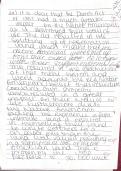
1. When did plants first show up 475-500 mya
2. matchantiophyta liverwarts
3. Anthocerotophyta hornworts
4. bryophyta mosses
5. lycopodiaophyta ferns
gametophyte
6. in non-vasculat plants the life stage is
dominant
7. Gemme cups asexual reproduction via cloning
8. all non-seed plants are fetalized by swimming sperm cells
have a single unbranched median
9. Lycophytes produce simplest, most ancient vein
leaves called lycophylls which
10. leptosporangium only produce 32-64 spores and use
an annulus to aid inreleasing its
, spored
11. Eusporangium developes from multiple epidermal
cell son the sporophyll and is the
largest of all sporangium
12. lycopodiophyta quilworts
13. polypodiophyta horsetails, whisk ferns, ophioglossid
ferns
14. pinophyta conifers
, 15. cyadophyta cycads
16. gnetophyta gnetophytes
17. ginkophyta Ginko
18. Ginkophyta and Cycadophyta both produce sarcotesta and scle-
rotesta on their seeds aka a fleshy
outerlayer and a hard inner layer
19. pollen grain microgametophyte
20. embryo sac megagametophyte
21. pollen sac microsporangium
22. Nucellus megasporangium
23. tracheids a water conducting cell
24. Most gymnosperms are dioecious, which they originated
means what about them? about how many
years ago?
25. The oldest angiosperm fossils suggest that
1. When did plants first show up 475-500 mya
2. matchantiophyta liverwarts
3. Anthocerotophyta hornworts
4. bryophyta mosses
5. lycopodiaophyta ferns
gametophyte
6. in non-vasculat plants the life stage is
dominant
7. Gemme cups asexual reproduction via cloning
8. all non-seed plants are fetalized by swimming sperm cells
have a single unbranched median
9. Lycophytes produce simplest, most ancient vein
leaves called lycophylls which
10. leptosporangium only produce 32-64 spores and use
an annulus to aid inreleasing its
, spored
11. Eusporangium developes from multiple epidermal
cell son the sporophyll and is the
largest of all sporangium
12. lycopodiophyta quilworts
13. polypodiophyta horsetails, whisk ferns, ophioglossid
ferns
14. pinophyta conifers
, 15. cyadophyta cycads
16. gnetophyta gnetophytes
17. ginkophyta Ginko
18. Ginkophyta and Cycadophyta both produce sarcotesta and scle-
rotesta on their seeds aka a fleshy
outerlayer and a hard inner layer
19. pollen grain microgametophyte
20. embryo sac megagametophyte
21. pollen sac microsporangium
22. Nucellus megasporangium
23. tracheids a water conducting cell
24. Most gymnosperms are dioecious, which they originated
means what about them? about how many
years ago?
25. The oldest angiosperm fossils suggest that