SOLUTIONS & INSTRUCTOR MANUAL
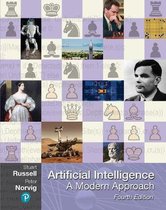
Artificial Intelligence: A Modern Approach, 4th Edition
by Peter Norvig and Stuart Russell, Chapters 1 – 28
,Artificial Intelligence
1 Introduction ...
2 Intelligent Agents ...
II Problem-solving
3 Solving Problems by Searching ...
4 Search in Complex Environments ...
5 Adversarial Search and Games ...
6 Constraint Satisfaction Problems ...
III Knowledge, reasoning, and planning
7 Logical Agents ...
8 First-Order Logic ...
9 Inference in First-Order Logic ...
10 Knowledge Representation ...
11 Automated Planning ...
IV Uncertain knowledge and reasoning
12 Quantifying Uncertainty ...
13 Probabilistic Reasoning ...
14 Probabilistic Reasoning over Time ...
15 Probabilistic Programming ...
16 Making Simple Decisions ...
17 Making Complex Decisions ...
18 Multiagent Decision Making ...
V Machine Learning
, 19 Learning from Examples ...
20 Learning Probabilistic Models ...
21 Deep Learning ...
22 Reinforcement Learning ...
VI Communicating, perceiving, and acting
23 Natural Language Processing ...
24 Deep Learning for Natural Language Processing ...
25 Computer Vision ...
26 Robotics ...
VII Conclusions
27 Philosophy, Ethics, and Safety of AI ...
28 The Future of AI
, EXERCISES G G
1
INTRODUCTION
Note Gthat Gfor Gmany Gof Gthe Gquestions Gin Gthis Gchapter, Gwe Ggive Greferences Gwhere
Ganswers Gcan Gbe Gfound Grather Gthan Gwriting Gthem Gout—the Gfull Ganswers Gwould Gbe Gfar
Gtoo Glong.
1.1 What Is AI?
G G G
Exercise 1.1.#DEFA
Define in your own words: (a) intelligence, (b) artificial intelligence, (c) agent, (d) ra-
tionality, (e) logical reasoning.
a. Dictionary Gdefinitions Gof Gintelligence Gtalk Gabout G“the Gcapacity Gto Gacquire Gand
Gapply Gknowledge” Gor G“the Gfaculty Gof Gthought Gand Greason” Gor G“the Gability Gto
Gcomprehend Gand Gprofit Gfrom Gexperience.” G These Gare Gall Greasonable Ganswers,
Gbut Gif Gwe Gwant Gsomething Gquantifiable Gwe Gwould Guse Gsomething Glike G“the
Gability Gto Gact Gsuccessfully Gacross Ga Gwide Grange Gof Gobjectives Gin Gcomplex
Genvironments.”
b. We Gdefine Gartificial Gintelligence Gas Gthe Gstudy Gand Gconstruction Gof Gagent
Gprograms Gthat Gperform Gwell Gin Ga Ggiven Gclass Gof Genvironments, Gfor Ga Ggiven
Gagent Garchitecture; Gthey Gdo Gthe Gright Gthing. G An Gimportant Gpart Gof Gthat Gis
Gdealing Gwith Gthe Guncertainty Gof Gwhat Gthe Gcurrent Gstate Gis, Gwhat Gthe Goutcome
Gof Gpossible Gactions Gmight Gbe, Gand Gwhat Gis Git Gthat Gwe Greally Gdesire.
c. We Gdefine Gan Gagent Gas Gan Gentity Gthat Gtakes Gaction Gin Gresponse Gto Gpercepts
Gfrom Gan Genvi- Gronment.
d. We Gdefine Grationality Gas Gthe Gproperty Gof Ga Gsystem Gwhich Gdoes Gthe G“right
Gthing” Ggiven Gwhat Git Gknows. G See GSection G2.2 Gfor Ga Gmore Gcomplete
Gdiscussion. G The Gbasic Gconcept Gis Gperfect Grationality; GSection G?? Gdescribes Gthe
Gimpossibility Gof Gachieving Gperfect Grational- Gity Gand Gproposes Gan Galternative
Gdefinition.
e. We Gdefine Glogical Greasoning Gas Gthe Ga Gprocess Gof Gderiving Gnew Gsentences Gfrom
Gold, Gsuch Gthat Gthe Gnew Gsentences Gare Gnecessarily Gtrue Gif Gthe Gold Gones Gare Gtrue.
G(Notice Gthat Gdoes Gnot Grefer Gto Gany Gspecific Gsyntax Gor Gformal Glanguage, Gbut Git
Gdoes Grequire Ga Gwell-defined Gnotion Gof Gtruth.)
Exercise 1.1.#TURI
Read Turing’s original paper on AI (Turing, 1950). In the paper, he discusses several
objections to his proposed
© 2023 Pearsonenterprise
Education, and his test
Hoboken, NJ. for intelligence.
All rights reserved. Which objections still carry
Artificial Intelligence: A Modern Approach, 4th Edition
by Peter Norvig and Stuart Russell, Chapters 1 – 28
,Artificial Intelligence
1 Introduction ...
2 Intelligent Agents ...
II Problem-solving
3 Solving Problems by Searching ...
4 Search in Complex Environments ...
5 Adversarial Search and Games ...
6 Constraint Satisfaction Problems ...
III Knowledge, reasoning, and planning
7 Logical Agents ...
8 First-Order Logic ...
9 Inference in First-Order Logic ...
10 Knowledge Representation ...
11 Automated Planning ...
IV Uncertain knowledge and reasoning
12 Quantifying Uncertainty ...
13 Probabilistic Reasoning ...
14 Probabilistic Reasoning over Time ...
15 Probabilistic Programming ...
16 Making Simple Decisions ...
17 Making Complex Decisions ...
18 Multiagent Decision Making ...
V Machine Learning
, 19 Learning from Examples ...
20 Learning Probabilistic Models ...
21 Deep Learning ...
22 Reinforcement Learning ...
VI Communicating, perceiving, and acting
23 Natural Language Processing ...
24 Deep Learning for Natural Language Processing ...
25 Computer Vision ...
26 Robotics ...
VII Conclusions
27 Philosophy, Ethics, and Safety of AI ...
28 The Future of AI
, EXERCISES G G
1
INTRODUCTION
Note Gthat Gfor Gmany Gof Gthe Gquestions Gin Gthis Gchapter, Gwe Ggive Greferences Gwhere
Ganswers Gcan Gbe Gfound Grather Gthan Gwriting Gthem Gout—the Gfull Ganswers Gwould Gbe Gfar
Gtoo Glong.
1.1 What Is AI?
G G G
Exercise 1.1.#DEFA
Define in your own words: (a) intelligence, (b) artificial intelligence, (c) agent, (d) ra-
tionality, (e) logical reasoning.
a. Dictionary Gdefinitions Gof Gintelligence Gtalk Gabout G“the Gcapacity Gto Gacquire Gand
Gapply Gknowledge” Gor G“the Gfaculty Gof Gthought Gand Greason” Gor G“the Gability Gto
Gcomprehend Gand Gprofit Gfrom Gexperience.” G These Gare Gall Greasonable Ganswers,
Gbut Gif Gwe Gwant Gsomething Gquantifiable Gwe Gwould Guse Gsomething Glike G“the
Gability Gto Gact Gsuccessfully Gacross Ga Gwide Grange Gof Gobjectives Gin Gcomplex
Genvironments.”
b. We Gdefine Gartificial Gintelligence Gas Gthe Gstudy Gand Gconstruction Gof Gagent
Gprograms Gthat Gperform Gwell Gin Ga Ggiven Gclass Gof Genvironments, Gfor Ga Ggiven
Gagent Garchitecture; Gthey Gdo Gthe Gright Gthing. G An Gimportant Gpart Gof Gthat Gis
Gdealing Gwith Gthe Guncertainty Gof Gwhat Gthe Gcurrent Gstate Gis, Gwhat Gthe Goutcome
Gof Gpossible Gactions Gmight Gbe, Gand Gwhat Gis Git Gthat Gwe Greally Gdesire.
c. We Gdefine Gan Gagent Gas Gan Gentity Gthat Gtakes Gaction Gin Gresponse Gto Gpercepts
Gfrom Gan Genvi- Gronment.
d. We Gdefine Grationality Gas Gthe Gproperty Gof Ga Gsystem Gwhich Gdoes Gthe G“right
Gthing” Ggiven Gwhat Git Gknows. G See GSection G2.2 Gfor Ga Gmore Gcomplete
Gdiscussion. G The Gbasic Gconcept Gis Gperfect Grationality; GSection G?? Gdescribes Gthe
Gimpossibility Gof Gachieving Gperfect Grational- Gity Gand Gproposes Gan Galternative
Gdefinition.
e. We Gdefine Glogical Greasoning Gas Gthe Ga Gprocess Gof Gderiving Gnew Gsentences Gfrom
Gold, Gsuch Gthat Gthe Gnew Gsentences Gare Gnecessarily Gtrue Gif Gthe Gold Gones Gare Gtrue.
G(Notice Gthat Gdoes Gnot Grefer Gto Gany Gspecific Gsyntax Gor Gformal Glanguage, Gbut Git
Gdoes Grequire Ga Gwell-defined Gnotion Gof Gtruth.)
Exercise 1.1.#TURI
Read Turing’s original paper on AI (Turing, 1950). In the paper, he discusses several
objections to his proposed
© 2023 Pearsonenterprise
Education, and his test
Hoboken, NJ. for intelligence.
All rights reserved. Which objections still carry