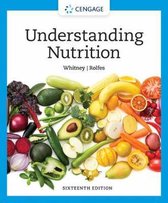
Test Bank For Understanding Nutrition 16th Edition Ellie Whitney All Chapters 1 - 20
,Table Of Contents
1. An Overview Of Nutrition.
Highlight 1: Nutrition Information And Misinformation.
2. Planning a Healthy Diet.
Highlight 2: Vegetarian Diets.
3. Digestion, Absorption And Transport.
Highlight 3: Common Digestive Problems.
4. The Carbohydrates: Sugars, Starches And
Fibers. Highlight 4: Carbs, Kcalories And
Controversies.
5. The Lipids: Triglycerides, Phospholipids And
Sterols. Highlight 5: High-Fat Foods — Friend Or
Foe?
6. Protein: Amino Acids.
Highlight 6: Nutritional Genomics.
7. Energy Metabolism.
Highlight 7: Alcohol In The Body.
8. Energy Balance And Body
Composition. Highlight 8: Eating
Disorders.
9. Weight Management: Overweight, Obesity And Underweight.
Highlight 9: The Latest And Greatest Weight-Loss Diet —
Again.
10. The Water-Soluble Vitamins: B Vitamins And Vitamin
C. Highlight 10: Vitamin And Mineral Supplements.
11. The Fat-Soluble Vitamins, A, D, E And K.
Highlight 11: Antioxidant Nutrients In Disease Prevention.
12. Water And The Major Minerals.
Highlight 12: Osteoporosis And
Calcium.
13. The Trace Minerals.
Highlight 13: Phytochemicals And Functional Foods.
14. Fitness: Physical Activity, Nutrients And Body
Adaptations. Highlight 14: Supplements As Ergogenic Aids.
15. Life Cycle Nutrition: Pregnancy And
Lactation. Highlight 15: Fetal Alcohol Syndrome.
16. Life Cycle Nutrition: Infancy, Childhood And Adolescence.
Highlight 16: Childhood Obesity And The Early Development Of Chronic Diseases.
17. Life Cycle Nutrition: Adulthood And The Later
Years. Highlight 17: Nutrient-Drug Interactions.
18. Diet And Health.
Highlight 18: Complementary And Alternative Medicine.
19. Consumer Concerns About Foods And
Water. Highlight 19: Food Biotechnology.
20. Hunger And The Global Environment.
,Highlight 20: Environmentally Friendly Food Choices.
, Chapter 1 – An Overview Of Nutrition
Multiple Choice
1. Which Characteristic Is Most Typical Of a Chronic Disease?
a. It Has a Rapid Onset.
b. It Rarely Has Noticeable Symptoms.
c. It Produces Sharp Pains
d. It Progresses Gradually.
e. It Disrupts Daily Life, But Is Unlikely To Be Life-Threatening.
Answer: D Dif: Bloom's: Understand Ref: Introduction Obj:
Unut.Whro.16.1.1 Describe How Various Factors Influence Personal Food Choices.
2. What Is The Chief Reason Most People Choose The Foods They Eat?
a. Cost
b. Taste
c. Convenience
d. Nutritional Value
e. Habit
Answer: B Dif: Bloom's: Remember Ref: 1.1 Food Choices
Obj: Unut.Whro.16.1.1 Describe How Various Factors Influence Personal Food Choices.
3. A Child Develops a Strong Dislike Of Noodle Soup After She Consumes a Bowl While Sick With The
Flu. Her Reaction Is An Example Of a Food-Related .
a. Habit
b. Social Interaction
c. Emotional Turmoil
d. Negative Association
e. Comfort Eating
Answer: D Dif: Bloom's: Evaluate Ref: 1.1 Food Choices
Obj: Unut.Whro.16.1.1 Describe How Various Factors Influence Personal Food Choices.
4. A Person Who Eats a Bowl Of Oatmeal For Breakfast Every Day Is Most Likely Making a Food
Choice Based On .
a. Habit
b. Availability
c. Body Image
d. Environmental Concerns
e. Cultural Values
Answer: A Dif: Bloom's: Evaluate Ref: 1.1 Food Choices
Obj: Unut.Whro.16.1.1 Describe How Various Factors Influence Personal Food Choices.
5. Which Individual Is Making a Food Choice Based On Negative Association?
a. A Tourist From China Who Rejects a Hamburger Due To Unfamiliarity
b. A Child Who Spits Out His Mashed Potatoes Because They Taste Too Salty
c. A Teenager Who Grudgingly Accepts An Offer For An Ice Cream Cone To Avoid
Offending a Close Friend
d. An Elderly Gentleman Who Refuses a Peanut Butter And Jelly Sandwich Because He
Considers It a Child's Food
e. An Adult Who Refuses To Eat Foods That Are Not Locally-Sourced And Organic
,Table Of Contents
1. An Overview Of Nutrition.
Highlight 1: Nutrition Information And Misinformation.
2. Planning a Healthy Diet.
Highlight 2: Vegetarian Diets.
3. Digestion, Absorption And Transport.
Highlight 3: Common Digestive Problems.
4. The Carbohydrates: Sugars, Starches And
Fibers. Highlight 4: Carbs, Kcalories And
Controversies.
5. The Lipids: Triglycerides, Phospholipids And
Sterols. Highlight 5: High-Fat Foods — Friend Or
Foe?
6. Protein: Amino Acids.
Highlight 6: Nutritional Genomics.
7. Energy Metabolism.
Highlight 7: Alcohol In The Body.
8. Energy Balance And Body
Composition. Highlight 8: Eating
Disorders.
9. Weight Management: Overweight, Obesity And Underweight.
Highlight 9: The Latest And Greatest Weight-Loss Diet —
Again.
10. The Water-Soluble Vitamins: B Vitamins And Vitamin
C. Highlight 10: Vitamin And Mineral Supplements.
11. The Fat-Soluble Vitamins, A, D, E And K.
Highlight 11: Antioxidant Nutrients In Disease Prevention.
12. Water And The Major Minerals.
Highlight 12: Osteoporosis And
Calcium.
13. The Trace Minerals.
Highlight 13: Phytochemicals And Functional Foods.
14. Fitness: Physical Activity, Nutrients And Body
Adaptations. Highlight 14: Supplements As Ergogenic Aids.
15. Life Cycle Nutrition: Pregnancy And
Lactation. Highlight 15: Fetal Alcohol Syndrome.
16. Life Cycle Nutrition: Infancy, Childhood And Adolescence.
Highlight 16: Childhood Obesity And The Early Development Of Chronic Diseases.
17. Life Cycle Nutrition: Adulthood And The Later
Years. Highlight 17: Nutrient-Drug Interactions.
18. Diet And Health.
Highlight 18: Complementary And Alternative Medicine.
19. Consumer Concerns About Foods And
Water. Highlight 19: Food Biotechnology.
20. Hunger And The Global Environment.
,Highlight 20: Environmentally Friendly Food Choices.
, Chapter 1 – An Overview Of Nutrition
Multiple Choice
1. Which Characteristic Is Most Typical Of a Chronic Disease?
a. It Has a Rapid Onset.
b. It Rarely Has Noticeable Symptoms.
c. It Produces Sharp Pains
d. It Progresses Gradually.
e. It Disrupts Daily Life, But Is Unlikely To Be Life-Threatening.
Answer: D Dif: Bloom's: Understand Ref: Introduction Obj:
Unut.Whro.16.1.1 Describe How Various Factors Influence Personal Food Choices.
2. What Is The Chief Reason Most People Choose The Foods They Eat?
a. Cost
b. Taste
c. Convenience
d. Nutritional Value
e. Habit
Answer: B Dif: Bloom's: Remember Ref: 1.1 Food Choices
Obj: Unut.Whro.16.1.1 Describe How Various Factors Influence Personal Food Choices.
3. A Child Develops a Strong Dislike Of Noodle Soup After She Consumes a Bowl While Sick With The
Flu. Her Reaction Is An Example Of a Food-Related .
a. Habit
b. Social Interaction
c. Emotional Turmoil
d. Negative Association
e. Comfort Eating
Answer: D Dif: Bloom's: Evaluate Ref: 1.1 Food Choices
Obj: Unut.Whro.16.1.1 Describe How Various Factors Influence Personal Food Choices.
4. A Person Who Eats a Bowl Of Oatmeal For Breakfast Every Day Is Most Likely Making a Food
Choice Based On .
a. Habit
b. Availability
c. Body Image
d. Environmental Concerns
e. Cultural Values
Answer: A Dif: Bloom's: Evaluate Ref: 1.1 Food Choices
Obj: Unut.Whro.16.1.1 Describe How Various Factors Influence Personal Food Choices.
5. Which Individual Is Making a Food Choice Based On Negative Association?
a. A Tourist From China Who Rejects a Hamburger Due To Unfamiliarity
b. A Child Who Spits Out His Mashed Potatoes Because They Taste Too Salty
c. A Teenager Who Grudgingly Accepts An Offer For An Ice Cream Cone To Avoid
Offending a Close Friend
d. An Elderly Gentleman Who Refuses a Peanut Butter And Jelly Sandwich Because He
Considers It a Child's Food
e. An Adult Who Refuses To Eat Foods That Are Not Locally-Sourced And Organic