IS MORAL ANTI-REALISM (/NON COGNITIVISM) CONVINCING? (25 marks)
(pink = out of spec content)
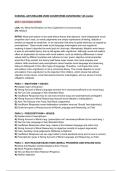
LOA: No, Moral Anti-Realism (or Non Cognitivism) is Unconvincing
CR: Nihilism
INTRO: Moral anti-realism is the meta-ethical theory that objective, mind-independent moral
properties don’t exist, so moral judgements are simply expressions of feeling, attitude or
emotion as argued by emotivism, or an instruction that aims to guide behaviour as argued by
prescriptivism. These would make moral language meaningless and non-cognitivist,
meaning it doesn't describe the world and isn’t truth-apt. Alternatively, Mackie's error theory
is also an anti-realist theory, but he still agrees with cognitivism. Although moral anti-realism
offers an explanation for issues with moral realism, such as relativity (differences in moral
values held by different societies and cultures) or how ‘queer’ objective moral properties
would be if they existed, the theory itself faces major issues, like moral progress and
nihilism. Both emotivism and prescriptivism cannot explain moral language and reasoning,
failing to distinguish it from other types of language. Therefore, I will argue that moral
anti-realism (/non cognitivism) is not a convincing theory. The crucial objection to moral
anti-realism (/non-cognitivism) is the objection from nihilism, which shows that without
objective moral values, moral discussions become meaningless, and our sense of moral
obligation collapses.
PARA 1 - EMOTIVISM + ISSUES:
P) Explain Ayer’s Emotivism
A) Wrong Account of Moral Language (emotive isn’t necessary/sufficient to be moral lang.)
C) We Can Use Language in Non-Standard Ways
R) Insufficient Response (how do we know emotive ways are essential/more privileged?)
A) Wrong Account of Moral Reasoning (reduced moral debate to manipulation)
C) Ayer: We Discuss over Facts, Not Moral Judgements
R) Insufficient Response (moral deliberation considers what we ‘Should’ feel objectively)
E) Emotivism gives a Wrong Account of Moral Language and Reasoning, so Fails
PARA 2 - PRESCRIPTIVISM + ISSUES:
P) Explain Hare’s Prescriptivism
A) Wrong Account of Moral Lang. (prescription isn’t necessary/sufficient to be moral lang.)
C) We Can Use Language in Non-Standard Ways
R) Insufficient Response (other lang. makes a link between language and action too)
A) Wrong Account of Moral Reasoning (no objective morality to support arguments)
C) Hare: deciding moral judgements Selflessly is Rational
R) Insufficient Response (we can reject other’s moral standards since and no one is correct)
E) Prescriptivism gives a Wrong Account of Moral Language and Reasoning, so Fails
PARA 3 - ANTI REALISM OBJECTIONS (MORAL PROGRESS AND NIHILISM (CR)):
P) Moral Anti-Realism (Outline Mackie’s Error Theory)
A) Moral Progress objection
C) We can Become More Rational (Progress)
A) Nihilism objection
, C) We Can Still Have Moral Feelings
R) Insufficient Response, as These are Not Objectively Right/Wrong, so No Reason to
Intervene in ‘Wrong’ Acts
E) Moral Anti-Realism Fails due to Nihilism, Moral Realism is More Convincing, Accepting
Objective Moral Duties and Properties (+ Science of Jonathan Haidt and Intuitionism)
CONCLUSION: In conclusion, moral anti-realism (/non cognitivism) is an unconvincing
theory. The non-cognitivist versions of moral anti-realism both fail to provide an adequate
account of moral language and reasoning, unable to distinguish moral language from other
forms and types of expression. The crucial objection to moral anti-realism, (including
Mackie’s cognitivist error theory), is nihilism, which shows that if mind-independent moral
properties didn’t exist, morality would lose its foundation and we would be forced to reject
any genuine moral duties or obligations. Therefore, moral realism, particularly G.E. Moore’s
non-naturalistic intuitionism presents a more convincing explanation of our moral experience,
preserving the objectivity that moral discussion demands.
IS MORAL ANTI-REALISM (/NON COGNITIVISM) CONVINCING? (25 marks)
Moral anti-realism is the meta-ethical theory that objective, mind-independent moral
properties don’t exist, so moral judgements are simply expressions of feeling, attitude or
emotion as argued by emotivism, or an instruction that aims to guide behaviour as argued by
prescriptivism. These would make moral language meaningless and non-cognitivist,
meaning it doesn't describe the world and isn’t truth-apt. Alternatively, Mackie's error theory
is also an anti-realist theory, but he still agrees with cognitivism. Although moral anti-realism
offers an explanation for issues with moral realism, such as relativity (differences in moral
values held by different societies and cultures) or how ‘queer’ objective moral properties
would be if they existed, the theory itself faces major issues, like moral progress and
nihilism. Both emotivism and prescriptivism cannot explain moral language and reasoning,
failing to distinguish it from other types of language. Therefore, I will argue that moral
anti-realism (/non cognitivism) is not a convincing theory. The crucial objection to moral
anti-realism (/non-cognitivism) is the objection from nihilism, which shows that without
objective moral values, moral discussions become meaningless, and our sense of moral
obligation collapses.
Emotivism is an anti-realist, non-cognitivist meta-ethical theory proposed by Ayer, which
claims that moral language expresses emotions, feelings and attitudes of approval or
disapproval. For example, ‘murder is wrong’ is like saying ‘I disapprove of murder’ or ‘boo
murder’, so moral judgements are not judgements of reason and cannot be true or false.
There are no objective, mind-independent moral properties. We can object to emotivism by
arguing that it doesn’t give the right account of moral language. Emotivism claims that the
main purpose of moral language is to influence people’s actions. However, lots of non-moral
language, such as advertising, is also emotive and influences actions, so how is moral
language any different from these? Moral realists would argue that there is more to moral
language than just influencing actions, namely moral judgements are truth-apt claims which
aim to describe the world and an objective morality. Therefore, influencing language is not a
sufficient purpose for moral language. It can also be argued that influencing actions isn’t
even a necessary condition for language to be moral, because sometimes we may express
(pink = out of spec content)
LOA: No, Moral Anti-Realism (or Non Cognitivism) is Unconvincing
CR: Nihilism
INTRO: Moral anti-realism is the meta-ethical theory that objective, mind-independent moral
properties don’t exist, so moral judgements are simply expressions of feeling, attitude or
emotion as argued by emotivism, or an instruction that aims to guide behaviour as argued by
prescriptivism. These would make moral language meaningless and non-cognitivist,
meaning it doesn't describe the world and isn’t truth-apt. Alternatively, Mackie's error theory
is also an anti-realist theory, but he still agrees with cognitivism. Although moral anti-realism
offers an explanation for issues with moral realism, such as relativity (differences in moral
values held by different societies and cultures) or how ‘queer’ objective moral properties
would be if they existed, the theory itself faces major issues, like moral progress and
nihilism. Both emotivism and prescriptivism cannot explain moral language and reasoning,
failing to distinguish it from other types of language. Therefore, I will argue that moral
anti-realism (/non cognitivism) is not a convincing theory. The crucial objection to moral
anti-realism (/non-cognitivism) is the objection from nihilism, which shows that without
objective moral values, moral discussions become meaningless, and our sense of moral
obligation collapses.
PARA 1 - EMOTIVISM + ISSUES:
P) Explain Ayer’s Emotivism
A) Wrong Account of Moral Language (emotive isn’t necessary/sufficient to be moral lang.)
C) We Can Use Language in Non-Standard Ways
R) Insufficient Response (how do we know emotive ways are essential/more privileged?)
A) Wrong Account of Moral Reasoning (reduced moral debate to manipulation)
C) Ayer: We Discuss over Facts, Not Moral Judgements
R) Insufficient Response (moral deliberation considers what we ‘Should’ feel objectively)
E) Emotivism gives a Wrong Account of Moral Language and Reasoning, so Fails
PARA 2 - PRESCRIPTIVISM + ISSUES:
P) Explain Hare’s Prescriptivism
A) Wrong Account of Moral Lang. (prescription isn’t necessary/sufficient to be moral lang.)
C) We Can Use Language in Non-Standard Ways
R) Insufficient Response (other lang. makes a link between language and action too)
A) Wrong Account of Moral Reasoning (no objective morality to support arguments)
C) Hare: deciding moral judgements Selflessly is Rational
R) Insufficient Response (we can reject other’s moral standards since and no one is correct)
E) Prescriptivism gives a Wrong Account of Moral Language and Reasoning, so Fails
PARA 3 - ANTI REALISM OBJECTIONS (MORAL PROGRESS AND NIHILISM (CR)):
P) Moral Anti-Realism (Outline Mackie’s Error Theory)
A) Moral Progress objection
C) We can Become More Rational (Progress)
A) Nihilism objection
, C) We Can Still Have Moral Feelings
R) Insufficient Response, as These are Not Objectively Right/Wrong, so No Reason to
Intervene in ‘Wrong’ Acts
E) Moral Anti-Realism Fails due to Nihilism, Moral Realism is More Convincing, Accepting
Objective Moral Duties and Properties (+ Science of Jonathan Haidt and Intuitionism)
CONCLUSION: In conclusion, moral anti-realism (/non cognitivism) is an unconvincing
theory. The non-cognitivist versions of moral anti-realism both fail to provide an adequate
account of moral language and reasoning, unable to distinguish moral language from other
forms and types of expression. The crucial objection to moral anti-realism, (including
Mackie’s cognitivist error theory), is nihilism, which shows that if mind-independent moral
properties didn’t exist, morality would lose its foundation and we would be forced to reject
any genuine moral duties or obligations. Therefore, moral realism, particularly G.E. Moore’s
non-naturalistic intuitionism presents a more convincing explanation of our moral experience,
preserving the objectivity that moral discussion demands.
IS MORAL ANTI-REALISM (/NON COGNITIVISM) CONVINCING? (25 marks)
Moral anti-realism is the meta-ethical theory that objective, mind-independent moral
properties don’t exist, so moral judgements are simply expressions of feeling, attitude or
emotion as argued by emotivism, or an instruction that aims to guide behaviour as argued by
prescriptivism. These would make moral language meaningless and non-cognitivist,
meaning it doesn't describe the world and isn’t truth-apt. Alternatively, Mackie's error theory
is also an anti-realist theory, but he still agrees with cognitivism. Although moral anti-realism
offers an explanation for issues with moral realism, such as relativity (differences in moral
values held by different societies and cultures) or how ‘queer’ objective moral properties
would be if they existed, the theory itself faces major issues, like moral progress and
nihilism. Both emotivism and prescriptivism cannot explain moral language and reasoning,
failing to distinguish it from other types of language. Therefore, I will argue that moral
anti-realism (/non cognitivism) is not a convincing theory. The crucial objection to moral
anti-realism (/non-cognitivism) is the objection from nihilism, which shows that without
objective moral values, moral discussions become meaningless, and our sense of moral
obligation collapses.
Emotivism is an anti-realist, non-cognitivist meta-ethical theory proposed by Ayer, which
claims that moral language expresses emotions, feelings and attitudes of approval or
disapproval. For example, ‘murder is wrong’ is like saying ‘I disapprove of murder’ or ‘boo
murder’, so moral judgements are not judgements of reason and cannot be true or false.
There are no objective, mind-independent moral properties. We can object to emotivism by
arguing that it doesn’t give the right account of moral language. Emotivism claims that the
main purpose of moral language is to influence people’s actions. However, lots of non-moral
language, such as advertising, is also emotive and influences actions, so how is moral
language any different from these? Moral realists would argue that there is more to moral
language than just influencing actions, namely moral judgements are truth-apt claims which
aim to describe the world and an objective morality. Therefore, influencing language is not a
sufficient purpose for moral language. It can also be argued that influencing actions isn’t
even a necessary condition for language to be moral, because sometimes we may express