,Chapter 01: The Patient Interview x x x x
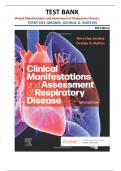
Des Jardins: Clinical Manifestations and Assessment of Respiratory Disease, 9th Edition
x x x x x x x x x x
MULTIPLE CHOICE x
1. The respiratory care practitioner is conducting a patient interview. The main purpose of this int
x x x x x x x x x x x x x x
erview is to: x x
a. review data with the patient. x x x x
b. gather subjective data from the patient. x x x x x
c. gather objective data from the patient. x x x x x
d. fill out the history form or checklist. x x x x x x
ANS: B x
The interview is a meeting between the respiratory care practitioner and the patient. It allows the collecti
x x x x x x x x x x x x x x x x
on of subjective data about the patient’s feelings regarding his/her
x x x x x x x x x
condition. The history should be done before the interview. Although data can be reviewed, tha x x x x x x x x x x x x x x
t is not the primary purpose of the interview.
x x x x x x x x
2. For there to be a successful interview, the respiratory therapist must:
x x x x x x x x x x
a. provide leading questions to guide the patient. x x x x x x
b. reassure the patient. x x
c. be an active listener. x x x
d. use medical terminology to show knowledge of the subject matter.
x x x x x x x x x
ANS: C x
N R I G B.C M
The personal qualities that a respiratory U S N Tmust have toOconduct a successful interview include
x x x x x
x x x
x therapist x x x x x x x x x x x x x
being an active listener, having a genuine concern for the patient, and having empathy. Leading question
x x x x x x x x x x x x x x x
s must be avoided. Reassurance may provide a false sense of comfort to the patient. Medical jargon can s
x x x x x x x x x x x x x x x x x x
ound exclusionary and paternalistic to a patient.
x x x x x x
3. Which of the following would be found on a history form?
x x x x x x x x x x
1. Age
2. Chief complaint x
3. Present health x
4. Family history x
5. Health insurance provider x x
a. 1, 4 x
b. 2, 3 x
c. 3, 4, 5 x x
d. 1, 2, 3, 4 x x x
ANS: D x
Age, chief complaint, present health, and family history are typically found on a health history form
x x x x x x x x x x x x x x x
because each can impact the patient’s health. Health insurance provider information, while needed f
x x x x x x x x x x x x x x
or billing purposes, would not be found on the history form.
x x x x x x x x x x
NURSINGTB.COM
, 4. External factors the respiratory care practitioner should make efforts to provide during an in
x x x x x x x x x x x x x
terview include which of the following? x x x x x
1. Minimize or prevent interruptions. x x x
2. Ensure privacy during discussions. x x x
3. Interviewer is the same sex as the patient to prevent bias. x x x x x x x x x x
4. Be comfortable for the patient and interviewer.
x x x x x x
a. 1, 4 x
b. 2, 3 x
c. 1, 2, 4 x x
d. 2, 3, 4 x x
ANS: C xx
External factors, such as a good physical setting, enhance the interviewing process. Regardless of the int
x x x x x x x x x x x x x x x
erview setting (the patient’s bedside, a crowded emergency room, an office in the hospital or clinic, or the
x x x x x x x x x x x x x x x x x
xpatient’s home), efforts should be made to (1) ensure privacy, (2) prevent interruptions, and (3) secure a
x x x x x x x x x x x x x x x x x
comfortable physical environment (e.g., comfortable room temperature, sufficient lighting, absence of n
x x x x x x x x x x x
oise). An interviewer of either gender, who acts professionally, should be able to interview a patient of ei
x x x x x x x x x x x x x x x x x
ther gender.x
5. The respiratory therapist is conducting a patient interview. The therapist chooses to use op
x x x x x x x x x x x x x
en-ended questions. Open- x x
ended questions allow the therapist to do which of the following?
x x x x x x x x x x
1. Gather information when a patient introduces a new topic. x x x x x x x x
2. Introduce a new subject area. x x x x
3. Begin the interview process. x x x
4. Gather specific information. x x
a. 4 NURSINGTB.COM
b. 1, 3 x
c. 1, 2, 3 x x
d. 2, 3, 4 x x
ANS: C xx
An open-x
ended question should be used to start the interview, introduce a new section of questions, and gather mor
x x x x x x x x x x x x x x x x x
e information from a patient’s topic. Closed or direct questions are used to gather specific information.
x x x x x x x x x x x x x x x
6. The direct question interview format is used to:
x x x x x x x
1. speed up the interview. x x x
2. let the patient fully explain his/her situation.
x x x x x x
3. help the respiratory therapist show empathy. x x x x x
4. gather specific information. x x
a. 1, 4 x
b. 2, 3 x
c. 3, 4 x
d. 1, 2, 3 x x
ANS: A xx
Direct or closed questions are best to gather specific information and speed up the interview. Open-
x x x x x x x x x x x x x x x
ended questions are best suited to let the patient fully explain his/her situation and possibly help the res
x x x x x x x x x x x x x x x x x x
piratory therapist show empathy.x x x
, 7. During the interview the patient states, ―Every time I climb the stairs I have to stop to catch my
x x x x x x x x x x x x x x x x x x
breath.‖ Hearing this, the respiratory therapist replies, ―So, it sounds like you get short of bre
x x x x x x x x x x x x x x x x
ath climbing stairs.‖ This interviewing technique is called:
x x x x x x x
a. clarification.
b. modeling.
c. empathy.
d. reflection.
ANS: D x
With reflection, part of the patient’s statement is repeated. This lets the patient know that what he/sh
x x x x x x x x x x x x x x x x
e said was heard. It also encourages the patient to elaborate on the topic.
x x x x x x x x x x x x x
Clarification, modeling, and empathy are other communication techniques. x x x x x x x
8. The respiratory therapist may choose to use the patient interview technique of silence in
x x x x x x x x x x x x x x
which of the following situations? x x x x
a. To prompt the patient to ask a question x x x x x x x
b. After a direct question x x x
c. After an open-ended question x x x
d. To allow the patient to review his/her history
x x x x x x x
ANS: C x
After a patient has answered an open-
x x x x x x
ended question, the respiratory therapist should pause (use silence) before asking the next question. This
x x x x x x x x x x x x x x x
pause allows the patient to add something else before moving on. The patient may also choose to ask a qu
x x x x x x x x x x x x x x x x x x x
estion.
9. To have the most productive interviewing session, which of the following types of responses to
x
NldRtSIheGrB.
assist in the interview shouU x
NespTiratory tOherapist avoid?
x
x
x
x
x
x
x
x
x
x x
x
x
x x
x
x x x
x
x x x x x
a. Confrontation
b. Reflection
c. Facilitation
d. Distancing
ANS: D x
With confrontation, the respiratory therapist focuses the patient’s attention on an action, feeling, or state
x x x x x x x x x x x x x x
ment made by the patient. This may prompt a further discussion. Reflection helps the patient focus on sp
x x x x x x x x x x x x x x x x x
ecific areas and continues in his/her own way. Facilitation encourages patients to say more, to continue
x x x x x x x x x x x x x x x x
with the story. The respiratory therapist should avoid giving advice, using avoidance language, and usin
x x x x x x x x x x x x x x
g distancing language.
x x
10. When closing the interview, the respiratory therapist should do which of the following?
x x x x x x x x x x x x
1. Recheck the patient’s vital signs. x x x x
2. Thank the patient. x x
3. Ask if the patient has any questions. x x x x x x
4. Close the door behind himself/herself for patient privacy. x x x x x x x
a. 2
b. 2, 3 x
c. 1, 3, 4 x x
d. 1, 2, 4 ANS: B
x x x x
Des Jardins: Clinical Manifestations and Assessment of Respiratory Disease, 9th Edition
x x x x x x x x x x
MULTIPLE CHOICE x
1. The respiratory care practitioner is conducting a patient interview. The main purpose of this int
x x x x x x x x x x x x x x
erview is to: x x
a. review data with the patient. x x x x
b. gather subjective data from the patient. x x x x x
c. gather objective data from the patient. x x x x x
d. fill out the history form or checklist. x x x x x x
ANS: B x
The interview is a meeting between the respiratory care practitioner and the patient. It allows the collecti
x x x x x x x x x x x x x x x x
on of subjective data about the patient’s feelings regarding his/her
x x x x x x x x x
condition. The history should be done before the interview. Although data can be reviewed, tha x x x x x x x x x x x x x x
t is not the primary purpose of the interview.
x x x x x x x x
2. For there to be a successful interview, the respiratory therapist must:
x x x x x x x x x x
a. provide leading questions to guide the patient. x x x x x x
b. reassure the patient. x x
c. be an active listener. x x x
d. use medical terminology to show knowledge of the subject matter.
x x x x x x x x x
ANS: C x
N R I G B.C M
The personal qualities that a respiratory U S N Tmust have toOconduct a successful interview include
x x x x x
x x x
x therapist x x x x x x x x x x x x x
being an active listener, having a genuine concern for the patient, and having empathy. Leading question
x x x x x x x x x x x x x x x
s must be avoided. Reassurance may provide a false sense of comfort to the patient. Medical jargon can s
x x x x x x x x x x x x x x x x x x
ound exclusionary and paternalistic to a patient.
x x x x x x
3. Which of the following would be found on a history form?
x x x x x x x x x x
1. Age
2. Chief complaint x
3. Present health x
4. Family history x
5. Health insurance provider x x
a. 1, 4 x
b. 2, 3 x
c. 3, 4, 5 x x
d. 1, 2, 3, 4 x x x
ANS: D x
Age, chief complaint, present health, and family history are typically found on a health history form
x x x x x x x x x x x x x x x
because each can impact the patient’s health. Health insurance provider information, while needed f
x x x x x x x x x x x x x x
or billing purposes, would not be found on the history form.
x x x x x x x x x x
NURSINGTB.COM
, 4. External factors the respiratory care practitioner should make efforts to provide during an in
x x x x x x x x x x x x x
terview include which of the following? x x x x x
1. Minimize or prevent interruptions. x x x
2. Ensure privacy during discussions. x x x
3. Interviewer is the same sex as the patient to prevent bias. x x x x x x x x x x
4. Be comfortable for the patient and interviewer.
x x x x x x
a. 1, 4 x
b. 2, 3 x
c. 1, 2, 4 x x
d. 2, 3, 4 x x
ANS: C xx
External factors, such as a good physical setting, enhance the interviewing process. Regardless of the int
x x x x x x x x x x x x x x x
erview setting (the patient’s bedside, a crowded emergency room, an office in the hospital or clinic, or the
x x x x x x x x x x x x x x x x x
xpatient’s home), efforts should be made to (1) ensure privacy, (2) prevent interruptions, and (3) secure a
x x x x x x x x x x x x x x x x x
comfortable physical environment (e.g., comfortable room temperature, sufficient lighting, absence of n
x x x x x x x x x x x
oise). An interviewer of either gender, who acts professionally, should be able to interview a patient of ei
x x x x x x x x x x x x x x x x x
ther gender.x
5. The respiratory therapist is conducting a patient interview. The therapist chooses to use op
x x x x x x x x x x x x x
en-ended questions. Open- x x
ended questions allow the therapist to do which of the following?
x x x x x x x x x x
1. Gather information when a patient introduces a new topic. x x x x x x x x
2. Introduce a new subject area. x x x x
3. Begin the interview process. x x x
4. Gather specific information. x x
a. 4 NURSINGTB.COM
b. 1, 3 x
c. 1, 2, 3 x x
d. 2, 3, 4 x x
ANS: C xx
An open-x
ended question should be used to start the interview, introduce a new section of questions, and gather mor
x x x x x x x x x x x x x x x x x
e information from a patient’s topic. Closed or direct questions are used to gather specific information.
x x x x x x x x x x x x x x x
6. The direct question interview format is used to:
x x x x x x x
1. speed up the interview. x x x
2. let the patient fully explain his/her situation.
x x x x x x
3. help the respiratory therapist show empathy. x x x x x
4. gather specific information. x x
a. 1, 4 x
b. 2, 3 x
c. 3, 4 x
d. 1, 2, 3 x x
ANS: A xx
Direct or closed questions are best to gather specific information and speed up the interview. Open-
x x x x x x x x x x x x x x x
ended questions are best suited to let the patient fully explain his/her situation and possibly help the res
x x x x x x x x x x x x x x x x x x
piratory therapist show empathy.x x x
, 7. During the interview the patient states, ―Every time I climb the stairs I have to stop to catch my
x x x x x x x x x x x x x x x x x x
breath.‖ Hearing this, the respiratory therapist replies, ―So, it sounds like you get short of bre
x x x x x x x x x x x x x x x x
ath climbing stairs.‖ This interviewing technique is called:
x x x x x x x
a. clarification.
b. modeling.
c. empathy.
d. reflection.
ANS: D x
With reflection, part of the patient’s statement is repeated. This lets the patient know that what he/sh
x x x x x x x x x x x x x x x x
e said was heard. It also encourages the patient to elaborate on the topic.
x x x x x x x x x x x x x
Clarification, modeling, and empathy are other communication techniques. x x x x x x x
8. The respiratory therapist may choose to use the patient interview technique of silence in
x x x x x x x x x x x x x x
which of the following situations? x x x x
a. To prompt the patient to ask a question x x x x x x x
b. After a direct question x x x
c. After an open-ended question x x x
d. To allow the patient to review his/her history
x x x x x x x
ANS: C x
After a patient has answered an open-
x x x x x x
ended question, the respiratory therapist should pause (use silence) before asking the next question. This
x x x x x x x x x x x x x x x
pause allows the patient to add something else before moving on. The patient may also choose to ask a qu
x x x x x x x x x x x x x x x x x x x
estion.
9. To have the most productive interviewing session, which of the following types of responses to
x
NldRtSIheGrB.
assist in the interview shouU x
NespTiratory tOherapist avoid?
x
x
x
x
x
x
x
x
x
x x
x
x
x x
x
x x x
x
x x x x x
a. Confrontation
b. Reflection
c. Facilitation
d. Distancing
ANS: D x
With confrontation, the respiratory therapist focuses the patient’s attention on an action, feeling, or state
x x x x x x x x x x x x x x
ment made by the patient. This may prompt a further discussion. Reflection helps the patient focus on sp
x x x x x x x x x x x x x x x x x
ecific areas and continues in his/her own way. Facilitation encourages patients to say more, to continue
x x x x x x x x x x x x x x x x
with the story. The respiratory therapist should avoid giving advice, using avoidance language, and usin
x x x x x x x x x x x x x x
g distancing language.
x x
10. When closing the interview, the respiratory therapist should do which of the following?
x x x x x x x x x x x x
1. Recheck the patient’s vital signs. x x x x
2. Thank the patient. x x
3. Ask if the patient has any questions. x x x x x x
4. Close the door behind himself/herself for patient privacy. x x x x x x x
a. 2
b. 2, 3 x
c. 1, 3, 4 x x
d. 1, 2, 4 ANS: B
x x x x