01/11/2019
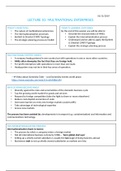
LECTURE 10: MULTINATIONAL ENTERPRISES
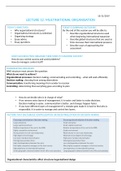
TODAY’S OBJECTIVES: TODAY’S LEARNING OUTCOMES
• The nature of multinational enterprises By the end of this session you will be able to:
• The internationalization processes • Describe the characteristics of MNEs
• Bartlett & Ghoshal (1989) Typology • Explain the internationalization process
• The strategic planning process & Toolkit • Understand and be able to apply the Bartlett
& Ghoshal (1989) Typology
• Explain the strategic planning process
MULTINATIONAL ENTITIES (MNES)
• A company headquartered in one country but with operations in one or more other countries.
• MNEs often downplay the fact that they are foreign held.
• For-profit enterprises with operations in more than one state.
• Headquarters may not be in their key areas of operation.
Video about Somersby Cider – Lord Somersby invents world peace
https://www.youtube.com/watch?v=eFnRJ8xrU04
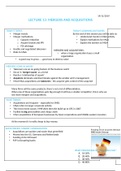
WHY DO FIRMS BECOME MNEs?
• Diversify against the risks and uncertainties of the domestic business cycle
• Tap the growing world market for goods and services
• Respond to foreign competition (take the fight to them or move elsewhere)
• Reduce costs-Exploit economies of scale
• Overcome barriers to entry into foreign markets (avoid tariffs)
• Take advantage of technological expertise
• Access new markets
The process has been assisted by: developments in transport (e.g. containerization) and information and
communications technology.
THE INTERNATIONALIZATION PROCESS
Internationalization (back to basics)
• The process by which a company enters a foreign market
• Not all international business is done by MNEs – ‘born global start-ups’
• Setting up a wholly owned subsidiary is usually the last stage of doing business abroad
• Businesses wait to set up wholly owned subsidiaries as markets are risky
, BORN GLOBAL/ACCIDENTAL EXPORTERS
“The first I knew about it was when we had 450,000 hits on the website one day, from all over the world. As
quickly as I could I developed a web-shop and now almost 70 per cent of our sales are exported”
Video about International export is easy for British SMEs - Christian Arno explains why
https://www.youtube.com/watch?v=oYCvzGInbHQ
INTERNATIONALIZATION PROCESSES
Ch Licensing: a firm may license patents, trademarks or technology to a foreign company in exchange
ea for a fee or royalty
per
& Local distributor (indirect exports): a firm sees a potential for extra sales by exporting and uses a
Eas local agent or distributor to enter a foreign market (What is the problem with this?)
ier
Local packaging and assembly: operations in country of consumption (Wine is not transported in
bottles – unless it’s special)
Export Trading Zones (EPZs): cheap assembly, circumvent tariffs
Sales representative or sales subsidiary office: negotiate and sell locally, but produce goods in
another country
Full wholly owned subsidiary: buy or create a new subsidiary that manages its own operations,
supply, production, exports, management
Key advantages for licensing and local distributor are that they are less time consuming and
provide a greater access market.
LECTURE 10: MULTINATIONAL ENTERPRISES
TODAY’S OBJECTIVES: TODAY’S LEARNING OUTCOMES
• The nature of multinational enterprises By the end of this session you will be able to:
• The internationalization processes • Describe the characteristics of MNEs
• Bartlett & Ghoshal (1989) Typology • Explain the internationalization process
• The strategic planning process & Toolkit • Understand and be able to apply the Bartlett
& Ghoshal (1989) Typology
• Explain the strategic planning process
MULTINATIONAL ENTITIES (MNES)
• A company headquartered in one country but with operations in one or more other countries.
• MNEs often downplay the fact that they are foreign held.
• For-profit enterprises with operations in more than one state.
• Headquarters may not be in their key areas of operation.
Video about Somersby Cider – Lord Somersby invents world peace
https://www.youtube.com/watch?v=eFnRJ8xrU04
WHY DO FIRMS BECOME MNEs?
• Diversify against the risks and uncertainties of the domestic business cycle
• Tap the growing world market for goods and services
• Respond to foreign competition (take the fight to them or move elsewhere)
• Reduce costs-Exploit economies of scale
• Overcome barriers to entry into foreign markets (avoid tariffs)
• Take advantage of technological expertise
• Access new markets
The process has been assisted by: developments in transport (e.g. containerization) and information and
communications technology.
THE INTERNATIONALIZATION PROCESS
Internationalization (back to basics)
• The process by which a company enters a foreign market
• Not all international business is done by MNEs – ‘born global start-ups’
• Setting up a wholly owned subsidiary is usually the last stage of doing business abroad
• Businesses wait to set up wholly owned subsidiaries as markets are risky
, BORN GLOBAL/ACCIDENTAL EXPORTERS
“The first I knew about it was when we had 450,000 hits on the website one day, from all over the world. As
quickly as I could I developed a web-shop and now almost 70 per cent of our sales are exported”
Video about International export is easy for British SMEs - Christian Arno explains why
https://www.youtube.com/watch?v=oYCvzGInbHQ
INTERNATIONALIZATION PROCESSES
Ch Licensing: a firm may license patents, trademarks or technology to a foreign company in exchange
ea for a fee or royalty
per
& Local distributor (indirect exports): a firm sees a potential for extra sales by exporting and uses a
Eas local agent or distributor to enter a foreign market (What is the problem with this?)
ier
Local packaging and assembly: operations in country of consumption (Wine is not transported in
bottles – unless it’s special)
Export Trading Zones (EPZs): cheap assembly, circumvent tariffs
Sales representative or sales subsidiary office: negotiate and sell locally, but produce goods in
another country
Full wholly owned subsidiary: buy or create a new subsidiary that manages its own operations,
supply, production, exports, management
Key advantages for licensing and local distributor are that they are less time consuming and
provide a greater access market.