Power of Small States in International Relations
According to the document, small states possess a unique form of power
that differs from the traditional concept of power associated with larger
states. Although they may lack strong military or economic influence,
small states can still exert significant impact by using various forms of
soft power, norm entrepreneurship, and strategic coalition-
building:
1. Soft Power and Norm Entrepreneurship:
o Small states often leverage soft power by emphasizing
diplomacy, cultural influence, and moral authority.
Examples include countries like Norway and Switzerland,
which have positioned themselves as neutral mediators in
conflict resolutions, such as the Oslo Accords.
o Moreover, small states frequently act as norm
entrepreneurs, promoting values such as human rights,
environmental sustainability, and multilateral
cooperation. This can significantly contribute to the
development of international law and shape global agendas,
as seen with Costa Rica’s advocacy for environmental
protection(Samenvattingen).
2. Coalition Building:
o Small states amplify their collective influence by forming
alliances with other states or working within international
organizations. For example, within the European Union,
smaller member states can shape policies by working together
and building consensus. Similarly, in the United Nations,
small states often collaborate through regional groups to
enhance their bargaining power, ensuring their voices are
heard on issues such as security and development
(Samenvattingen).
3. Different Types of Power:
o Small states can effectively use three distinct types of power:
Particular-Intrinsic Power: This is based on a state's
inherent resources, such as geographical location or
natural resources.
Derivative Power: Derived power is obtained by
influencing larger states through alliances or
partnerships.
, Collective Power: This type of power comes from
forming alliances with other non-great powers or through
participation in international institutions
(Samenvattingen).
Dependence on System-Level Factors
Regarding the statement by Maass: "Is small state behavior
essentially dependent on system-level factors and forces that are
beyond the small state's immediate control?" (Maass, p.37):
Yes, partially true. Maass argues that the behavior of small states
is "essentially dependent on system-level factors and forces
beyond the small state’s immediate control." This means that small
states often operate within constraints imposed by the international
system. They are more vulnerable to external pressures and must
navigate the interests of larger powers. Their security and economic
stability are often significantly influenced by the actions of major
powers and the structure of international institutions, which limits
their ability to act independently (Samenvattingen).
Not entirely passive: However, while small states are influenced
by system-level factors, they are not entirely passive actors. By
utilizing soft power, norm entrepreneurship, and coalition-
building, small states can influence international outcomes,
particularly in areas where they have specific interests or expertise.
For example, the Nordic countries have played a leading role in
advocating for human rights and environmental initiatives, using
their unique positioning and reputation to make an impact beyond
their size would suggest(Samenvattingen).
In summary, while small states are indeed influenced by system-level
dynamics, they possess tools that enable them to shape international
relations actively, especially through strategic alliances, soft power, and
their ability to be norm entrepreneurs.
can you integrate the opec countries and explain their boycot in
detail
Summary: OPEC Boycott and Power of Small States
The OPEC oil boycott of 1973 demonstrates how small and medium-
sized states can wield significant power in international relations by
, leveraging critical resources. In response to the Yom Kippur War, Arab
OPEC members, including Saudi Arabia, Kuwait, and others, used oil
as a political weapon, reducing production and imposing an embargo on
Western countries that supported Israel, especially the United States. This
led to a sharp rise in oil prices and caused an economic crisis in the West,
with widespread inflation and economic stagnation.
The boycott illustrated how small states can utilize particular-
intrinsic power—in this case, oil—to exert influence far beyond their size.
The collective action of OPEC members also represented the use of
collective power, where coordination among countries gave them
significant geopolitical leverage.
The consequences included a major shift in global energy policies,
increased investments in alternative energy sources, and a
realignment of Western foreign policies toward the Middle East. It also
led to the formation of the International Energy Agency (IEA) to
ensure better coordination among consumer nations in future crises. This
event highlighted the vulnerability of major economies to resource control
by smaller states and shifted global power dynamics, showing that
strategic use of resources could give small and medium-sized states
substantial international influence.
Combining Wivel with the case study ‘A critical Ally’ (Massink article and
presentation of 18/9) • What aspects of multilateral cooperation is
emphasised by the author (Rational, Natural, or Open). • What is
the small state’s strategy to serve its/their interests? Is it
behaving as an honest broker ?
Combining Wivel with the Case Study "A Critical Ally"
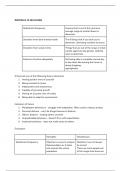
Wivel’s Analysis of Small States and Organizational Structures
Wivel's work discusses the influence of states within the European Union
through three types of organizational structures: Rational, Natural, and
Open systems.
1. Rational Characteristics:
o Influence is protected by formal EU institutions and
codification of acceptable behavior.
o This emphasizes legal frameworks, treaties, and institutional
roles, allowing small states to protect their interests despite
limited traditional power. small
2. Natural Characteristics:
According to the document, small states possess a unique form of power
that differs from the traditional concept of power associated with larger
states. Although they may lack strong military or economic influence,
small states can still exert significant impact by using various forms of
soft power, norm entrepreneurship, and strategic coalition-
building:
1. Soft Power and Norm Entrepreneurship:
o Small states often leverage soft power by emphasizing
diplomacy, cultural influence, and moral authority.
Examples include countries like Norway and Switzerland,
which have positioned themselves as neutral mediators in
conflict resolutions, such as the Oslo Accords.
o Moreover, small states frequently act as norm
entrepreneurs, promoting values such as human rights,
environmental sustainability, and multilateral
cooperation. This can significantly contribute to the
development of international law and shape global agendas,
as seen with Costa Rica’s advocacy for environmental
protection(Samenvattingen).
2. Coalition Building:
o Small states amplify their collective influence by forming
alliances with other states or working within international
organizations. For example, within the European Union,
smaller member states can shape policies by working together
and building consensus. Similarly, in the United Nations,
small states often collaborate through regional groups to
enhance their bargaining power, ensuring their voices are
heard on issues such as security and development
(Samenvattingen).
3. Different Types of Power:
o Small states can effectively use three distinct types of power:
Particular-Intrinsic Power: This is based on a state's
inherent resources, such as geographical location or
natural resources.
Derivative Power: Derived power is obtained by
influencing larger states through alliances or
partnerships.
, Collective Power: This type of power comes from
forming alliances with other non-great powers or through
participation in international institutions
(Samenvattingen).
Dependence on System-Level Factors
Regarding the statement by Maass: "Is small state behavior
essentially dependent on system-level factors and forces that are
beyond the small state's immediate control?" (Maass, p.37):
Yes, partially true. Maass argues that the behavior of small states
is "essentially dependent on system-level factors and forces
beyond the small state’s immediate control." This means that small
states often operate within constraints imposed by the international
system. They are more vulnerable to external pressures and must
navigate the interests of larger powers. Their security and economic
stability are often significantly influenced by the actions of major
powers and the structure of international institutions, which limits
their ability to act independently (Samenvattingen).
Not entirely passive: However, while small states are influenced
by system-level factors, they are not entirely passive actors. By
utilizing soft power, norm entrepreneurship, and coalition-
building, small states can influence international outcomes,
particularly in areas where they have specific interests or expertise.
For example, the Nordic countries have played a leading role in
advocating for human rights and environmental initiatives, using
their unique positioning and reputation to make an impact beyond
their size would suggest(Samenvattingen).
In summary, while small states are indeed influenced by system-level
dynamics, they possess tools that enable them to shape international
relations actively, especially through strategic alliances, soft power, and
their ability to be norm entrepreneurs.
can you integrate the opec countries and explain their boycot in
detail
Summary: OPEC Boycott and Power of Small States
The OPEC oil boycott of 1973 demonstrates how small and medium-
sized states can wield significant power in international relations by
, leveraging critical resources. In response to the Yom Kippur War, Arab
OPEC members, including Saudi Arabia, Kuwait, and others, used oil
as a political weapon, reducing production and imposing an embargo on
Western countries that supported Israel, especially the United States. This
led to a sharp rise in oil prices and caused an economic crisis in the West,
with widespread inflation and economic stagnation.
The boycott illustrated how small states can utilize particular-
intrinsic power—in this case, oil—to exert influence far beyond their size.
The collective action of OPEC members also represented the use of
collective power, where coordination among countries gave them
significant geopolitical leverage.
The consequences included a major shift in global energy policies,
increased investments in alternative energy sources, and a
realignment of Western foreign policies toward the Middle East. It also
led to the formation of the International Energy Agency (IEA) to
ensure better coordination among consumer nations in future crises. This
event highlighted the vulnerability of major economies to resource control
by smaller states and shifted global power dynamics, showing that
strategic use of resources could give small and medium-sized states
substantial international influence.
Combining Wivel with the case study ‘A critical Ally’ (Massink article and
presentation of 18/9) • What aspects of multilateral cooperation is
emphasised by the author (Rational, Natural, or Open). • What is
the small state’s strategy to serve its/their interests? Is it
behaving as an honest broker ?
Combining Wivel with the Case Study "A Critical Ally"
Wivel’s Analysis of Small States and Organizational Structures
Wivel's work discusses the influence of states within the European Union
through three types of organizational structures: Rational, Natural, and
Open systems.
1. Rational Characteristics:
o Influence is protected by formal EU institutions and
codification of acceptable behavior.
o This emphasizes legal frameworks, treaties, and institutional
roles, allowing small states to protect their interests despite
limited traditional power. small
2. Natural Characteristics: