NPTE Prep
Musculoskeletal System
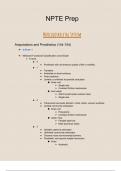
Amputations and Prosthetics (144-154)
➔ Exam 3
❖ Medicare Functional Classification Level Scale
➢ K level
■ 0
● Prosthesis will not enhance quality of life or mobility
■ 1
● Transfers
● Ambulate on level surfaces
● Fixed cadence
● Limited or unlimited household ambulator
◆ Knee unit
➢ Single axis
➢ Constant friction mechanism
◆ foot/ ankle
➢ SACH (solid ankle cushion heel)
➢ Single axis
■ 2
● Transverse low levels barriers: curbs, stairs, uneven surfaces
● Limited community ambulator
◆ Knee unit
➢ Polycentric
➢ Constant friction mechanism
◆ ankle / foot
➢ Flexible keel foot
➢ Multi axial foot/ ankle
■ 3
● Variable cadence ambulator
● Unlimited community ambulator
● Traverse most environmental barriers
● Prosthetic use beyond simple locomotion
◆ Knee
➢ Hydraulic
, ➢ Microprocessor
➢ Variable friction
◆ Ankle
➢ Energy storing
➢ Dynamic response
➢ Multi axial foot
■ 4
● Exceeds basic ambulation skills
● Exhibits high impact, stress or energy levels
● Typical of child, athlete, active adult
◆ Knee and ankle/foot
➢ Any system
❖
➢ Socket
■ Interface between the residual limb and prosthesis
■ Muscular areas are more tolerant than bony
■ Ischial containment socket → for transtibial, patellar tendon bearing
➢ Liner
■ Cushioning and suspension
, ■ Can cause friction and irritation on skin
■ Frequent donning and doffing to dry it
➢ Insert
➢ Sock
■ Maintain congruence and comfort when pt loses residual limb volume
■ When 12-15 sock plys are exceeding → contact prosthesis
❖ Transtibial residual limb
➢ Pressure tolerant areas
■ Patellar ligament
■ Lateral fibular shaft
■ Medial tibial shaft
■ Lateral tibial shaft
●
➢ Pressure sensitive
■ Fibular head
■ Lateral tibial flare
■ Tibial crest
■ Distal end of fibula
■ Distal end of tibia
■ Patella
■ Anterior tibial tubercle
■ Peroneal nerve
■ Adductor tubercle
, ●
❖ Break in schedule
➢ Start with 1 hour of total wear time a day
➢ Half of the time spent ambulating
➢ Every 30 minutes or immediately after walking
■ Skin should be inspected
❖ Fit issues
➢ May need to add or take away sock plys
➢ Ask if they are wearing shrinker when not in limb (if it is too tight)
❖ Red flags
➢ If breakdown occurs
■ Stop wearing prosthesis until they see a physician
❖ Wrapping guidelines
➢ No wrinkles
➢ Diagonal and angular pattern
➢ DO NOT WRAP CIRCULARLY
➢ Pressure distally to enhance shaping
❖ Gait deviations
➢ Lateral bending
■ Prosthetic cause
● Prosthesis too short
● Improperly shaped lateral wall
● High medial wall
● Prosthesis aligned in abduction
■ Amputee cause
● Poor balance
● Abduction contracture
● Improper training
● Short residual limb
● Weak hip abductors on prosthetic side
● Hypersensitive and painful residual limb
Musculoskeletal System
Amputations and Prosthetics (144-154)
➔ Exam 3
❖ Medicare Functional Classification Level Scale
➢ K level
■ 0
● Prosthesis will not enhance quality of life or mobility
■ 1
● Transfers
● Ambulate on level surfaces
● Fixed cadence
● Limited or unlimited household ambulator
◆ Knee unit
➢ Single axis
➢ Constant friction mechanism
◆ foot/ ankle
➢ SACH (solid ankle cushion heel)
➢ Single axis
■ 2
● Transverse low levels barriers: curbs, stairs, uneven surfaces
● Limited community ambulator
◆ Knee unit
➢ Polycentric
➢ Constant friction mechanism
◆ ankle / foot
➢ Flexible keel foot
➢ Multi axial foot/ ankle
■ 3
● Variable cadence ambulator
● Unlimited community ambulator
● Traverse most environmental barriers
● Prosthetic use beyond simple locomotion
◆ Knee
➢ Hydraulic
, ➢ Microprocessor
➢ Variable friction
◆ Ankle
➢ Energy storing
➢ Dynamic response
➢ Multi axial foot
■ 4
● Exceeds basic ambulation skills
● Exhibits high impact, stress or energy levels
● Typical of child, athlete, active adult
◆ Knee and ankle/foot
➢ Any system
❖
➢ Socket
■ Interface between the residual limb and prosthesis
■ Muscular areas are more tolerant than bony
■ Ischial containment socket → for transtibial, patellar tendon bearing
➢ Liner
■ Cushioning and suspension
, ■ Can cause friction and irritation on skin
■ Frequent donning and doffing to dry it
➢ Insert
➢ Sock
■ Maintain congruence and comfort when pt loses residual limb volume
■ When 12-15 sock plys are exceeding → contact prosthesis
❖ Transtibial residual limb
➢ Pressure tolerant areas
■ Patellar ligament
■ Lateral fibular shaft
■ Medial tibial shaft
■ Lateral tibial shaft
●
➢ Pressure sensitive
■ Fibular head
■ Lateral tibial flare
■ Tibial crest
■ Distal end of fibula
■ Distal end of tibia
■ Patella
■ Anterior tibial tubercle
■ Peroneal nerve
■ Adductor tubercle
, ●
❖ Break in schedule
➢ Start with 1 hour of total wear time a day
➢ Half of the time spent ambulating
➢ Every 30 minutes or immediately after walking
■ Skin should be inspected
❖ Fit issues
➢ May need to add or take away sock plys
➢ Ask if they are wearing shrinker when not in limb (if it is too tight)
❖ Red flags
➢ If breakdown occurs
■ Stop wearing prosthesis until they see a physician
❖ Wrapping guidelines
➢ No wrinkles
➢ Diagonal and angular pattern
➢ DO NOT WRAP CIRCULARLY
➢ Pressure distally to enhance shaping
❖ Gait deviations
➢ Lateral bending
■ Prosthetic cause
● Prosthesis too short
● Improperly shaped lateral wall
● High medial wall
● Prosthesis aligned in abduction
■ Amputee cause
● Poor balance
● Abduction contracture
● Improper training
● Short residual limb
● Weak hip abductors on prosthetic side
● Hypersensitive and painful residual limb