

NRNP 6665-18 Wk 8 NEWEST 24/25 WELL GRADED
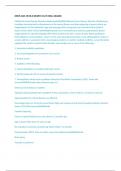
Childhood-Onset Fluency Disorder (Stuttering)ANSWERChildhood-Onset Fluency Disorder (Stuttering) a
condition characterized by disturbances in the normal fluency and time pattering of speech which are
inappropriate for the individual's age and language skills and persist over a period of time (Saad &
Kamel, 2019). DSM-5 CriteriaANSWERDisturbances in normal fluency and time patterning of speech
inappropriate for age and language skills which persists over time, causes anxiety about speaking or
limits effective communication, onset is in the early development period, is not attributable to motor or
sensory deficit or associated with a neurological problem or another medical condition, cannot be better
explained by another mental health disorder and includes one or more of the following:
1. Sound and syllable repetitions
2. Sound prolongation of consonants &/or vowels
3. Broken words
4. Audible or silent blocking
5. Word substitutions to avoid problematic words
6. Words produced with an excess of physical tension
7. Monosyllabic whole word repetitions (American Psychiatric Association, 2022). Onset and
CourseANSWERUsually starts between ages 2-6
Onset can be insidious or sudden
Typically starts gradually with repetition of first consonants or first words in a sentence or phrase
Approximately 5% of preschoolers are affected
Percentage drops to 1% by the end of junior high and remains at that level throughout lifetime (Saad &
Kamel, 2019) Risk factorsANSWERMale
Familial stuttering
Onset of speech dysfluencies more than 6-12 months ago
Age at onset older than 3-4 years of age
No reduction in severity of stuttering within initial 7-12 months
(Saad & Kamel, 2019). Rule out other causes for dysfluenciesANSWERStroke
Brain injury
Tourette's syndrome
Childhood-Onset Fluency Disorder (Stuttering)ANSWERChildhood-Onset Fluency Disorder (Stuttering) a
condition characterized by disturbances in the normal fluency and time pattering of speech which are
inappropriate for the individual's age and language skills and persist over a period of time (Saad &
Kamel, 2019). DSM-5 CriteriaANSWERDisturbances in normal fluency and time patterning of speech
inappropriate for age and language skills which persists over time, causes anxiety about speaking or
limits effective communication, onset is in the early development period, is not attributable to motor or
sensory deficit or associated with a neurological problem or another medical condition, cannot be better
explained by another mental health disorder and includes one or more of the following:
1. Sound and syllable repetitions
2. Sound prolongation of consonants &/or vowels
3. Broken words
4. Audible or silent blocking
5. Word substitutions to avoid problematic words
6. Words produced with an excess of physical tension
7. Monosyllabic whole word repetitions (American Psychiatric Association, 2022). Onset and
CourseANSWERUsually starts between ages 2-6
Onset can be insidious or sudden
Typically starts gradually with repetition of first consonants or first words in a sentence or phrase
Approximately 5% of preschoolers are affected
Percentage drops to 1% by the end of junior high and remains at that level throughout lifetime (Saad &
Kamel, 2019) Risk factorsANSWERMale
Familial stuttering
Onset of speech dysfluencies more than 6-12 months ago
Age at onset older than 3-4 years of age
No reduction in severity of stuttering within initial 7-12 months
(Saad & Kamel, 2019). Rule out other causes for dysfluenciesANSWERStroke
Brain injury
Tourette's syndrome

