

Nature
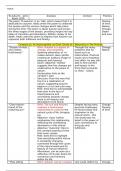
To Autumn – John Analysis Context Themes
Keats 1819
The poem ‘To Autumn’ is an ‘Ode’ which means that it is Passing
dedicated to autumn. Keats wrote the poem to celebrate of time,
the season and the various changes which take place Nature,
during the time. The poem is about autumn and covers Change,
the three stages of the season, providing insight into key Death
ideas of transition and abundancy. Written closely to his and Loss
death, Keats used this poem to express how Autumn can
represent both fulfilment and finality.
Compare to: As Imperceptibly as Grief, Death of a Naturalist or The Prelude
“Season of mists - Point: Autumn is a season of Through the many Change,
and mellow change, yet tranquillity. problems that he Nature
fruitfulness!” - Soothing alliteration of ‘m’ faced such as
makes autumn seem gentle, tuberculosis, financial
creating an auditory image of issues and a hopeless
pleasure and ripeness. love affair, he was still
- Zoom: Adjective ‘mellow’ able to find comfort
suggests that the changes are and beauty in the
undisruptive to the peace of thing that surrounds
nature. us most – nature.
- Exclamation hints at the
narrator’s awe.
- Structure: From the very first
line it is a celebration of
nature, suggesting autumn
begins in a rich and calm way.
- Poet: does this to acknowledge
that even in the face of
impermanence and
uncertainty towards change,
there is still beauty and
abundance to be found.
“Close bosom- - Point: The sun and Autumn Despite facing many Change,
friend of the maintain a harmonious personal challenges, Passing
maturing sun” relationship to continue the he found solace and of time
natural cycle of life, bringing inspiration in the
joy. natural world – this
- Adjective ‘close’ further line showcases his
emphasises this relationship, belief in the power of
reflecting the overflowing such connections to
abundance in this stanza. bring joy and
- Adjective ‘maturing’ links to fulfilment.
the constant passing of time
that never ceases.
- Poet: does this to highlight
that everything within nature
is constantly changing,
connected through the cycles
of the natural world and its
beauty of mutual influence.
- Alternative: can be seen as a
reflection of his own desire for
connection and harmony
within his life.
“Thee sitting - Point: Autumn can be a season Line could reflect his Change
,careless on a which can be thoughtless in own desire for
granary floor” the changes it brings contentment and
- Zoom: Personification suggests tranquillity from his
that autumn works hard to life of health struggles
make the changes in the and several
season yet rather effortlessly. adversities.
- Poet: does this to emphasise
the sense of contentment that
is associated with Autumn,
symbolising a sense of peace
and ease.
“Drows’d with - Point: Autumn is intoxicating Keats used nature to Nature
the fume of and overwhelming in its prove solace and
poppies” beauty. escape from the
- Autumn is personified as a hardships of his
woman sleeping in a field of personal challenges,
poppies, giving a naturally with his poetry
beautiful image of autumn serving as a means of
which is what Keats thinks of transcending these
Autumn – an image of natural struggles to find
beauty. solace in the serenity
- Autumn creates a state of of the natural world.
blissful lethargy. He wishes to find
respire through
immersion within the
sensory pleasures
that autumn
symbolises.
“Where are the - Point: Autumn is powerful Questioning tone may Passing
songs of Spring? enough to make spring be reflect Keats’ longing of time,
Ay, where are forgotten. for the vibrancy Change
they?” - Consecutive rhetorical associated with
questions make the speaker spring, which could
appear scornful of spring, be seen as a
suggesting that we should metaphor for the
bask in the comfort of Autumn vitality of youth.
before it passes.
- By posing this question, Keats May also suggest a
highlights the transition of sense of melancholy
seasons and draws attention as he contemplates
to the unique qualities and the fleeting nature of
tranquil atmosphere of youth and the
autumn. inevitable transition
into a more mature
and reflective stage of
life.
“Soft-dying day” - Point: Autumn is a reminder Could reflect Keats’ Change,
“mourn” that the beauty of life will preoccupation with Death
inevitably come to an end and mortality and the and
will be missed. brevity of life, with Loss,
- Could imply that autumn is these themes Passing
dying, and Keats’ own life is influencing ideas of of time
coming to an end. transience and
- Contrasts with the long impermanent beauty
summer days mentioned within his poems.
earlier in the poem.
- The idea of day mourning
further emphasised the
transient and ephemeral
, nature of existence, reminding
the reader of mortality and the
impermanence of beauty.
“Full grown - Point: The natural world is still Keats faced personal Passage
lambs loud rich with life despite the challenges and of time,
bleat” changing of seasons hardships throughout change
- Represents the ripeness of his life, and his poetry
youth just before adulthood. often served as a
- Onomatopoeic words means of
represent the sounds of transcending these
Autumn, signalling the end of difficulties and finding
autumn and the end of day. beauty in the world
- Lambs aging represents the around him.
passage of time.
- Line can be interpreted as a
celebration of the present and
a reminder to embrace the
joys and experiences that life
has to offer.
Structure - 1st Stanza = celebration
suggesting that autumn begins
in a rich and calm way.
- 2nd Stanza = Keats speaks
directly to autumns and makes
the suggesting that autumn is
in no rush to move on
- 3rd Stanza = Shows change,
just like seasonal changes,
Keats recognises this and is
accepting of the fact that he
cannot control this.
Death of a Analysis Context Themes
Naturalist –
Seamus Heaney
Poem is based on memories from his childhood, a Loss of
metaphor for how children develop by learning of the innocenc
troubling parts of life. It explores the beauty of nature, e,
and the depth of its interpretation. Childhoo
d
memorie
s,
Passing
of time
Nature
Can compare: To Autumn (passing of time), The Prelude (passing of childhood memories) or
Afternoons (loss of innocence)
Title “Death of a - Point: Maturing leads to loss of His brother’s death
Naturalist” innocence when he was young
- Ambiguity suggests a affected him severely,
naturalist will die, as innocent leading to this loss of
views of nature will be killed. innocence that stems
- Ironic that finding out how life from maturity.
is made is what kills his
innocent views and interest
within nature.
“Sweltered” - Point: Tone at the beginning is Heaney was raised on Childhoo
“Festered” almost enthusiastic – the a farm, constantly d
To Autumn – John Analysis Context Themes
Keats 1819
The poem ‘To Autumn’ is an ‘Ode’ which means that it is Passing
dedicated to autumn. Keats wrote the poem to celebrate of time,
the season and the various changes which take place Nature,
during the time. The poem is about autumn and covers Change,
the three stages of the season, providing insight into key Death
ideas of transition and abundancy. Written closely to his and Loss
death, Keats used this poem to express how Autumn can
represent both fulfilment and finality.
Compare to: As Imperceptibly as Grief, Death of a Naturalist or The Prelude
“Season of mists - Point: Autumn is a season of Through the many Change,
and mellow change, yet tranquillity. problems that he Nature
fruitfulness!” - Soothing alliteration of ‘m’ faced such as
makes autumn seem gentle, tuberculosis, financial
creating an auditory image of issues and a hopeless
pleasure and ripeness. love affair, he was still
- Zoom: Adjective ‘mellow’ able to find comfort
suggests that the changes are and beauty in the
undisruptive to the peace of thing that surrounds
nature. us most – nature.
- Exclamation hints at the
narrator’s awe.
- Structure: From the very first
line it is a celebration of
nature, suggesting autumn
begins in a rich and calm way.
- Poet: does this to acknowledge
that even in the face of
impermanence and
uncertainty towards change,
there is still beauty and
abundance to be found.
“Close bosom- - Point: The sun and Autumn Despite facing many Change,
friend of the maintain a harmonious personal challenges, Passing
maturing sun” relationship to continue the he found solace and of time
natural cycle of life, bringing inspiration in the
joy. natural world – this
- Adjective ‘close’ further line showcases his
emphasises this relationship, belief in the power of
reflecting the overflowing such connections to
abundance in this stanza. bring joy and
- Adjective ‘maturing’ links to fulfilment.
the constant passing of time
that never ceases.
- Poet: does this to highlight
that everything within nature
is constantly changing,
connected through the cycles
of the natural world and its
beauty of mutual influence.
- Alternative: can be seen as a
reflection of his own desire for
connection and harmony
within his life.
“Thee sitting - Point: Autumn can be a season Line could reflect his Change
,careless on a which can be thoughtless in own desire for
granary floor” the changes it brings contentment and
- Zoom: Personification suggests tranquillity from his
that autumn works hard to life of health struggles
make the changes in the and several
season yet rather effortlessly. adversities.
- Poet: does this to emphasise
the sense of contentment that
is associated with Autumn,
symbolising a sense of peace
and ease.
“Drows’d with - Point: Autumn is intoxicating Keats used nature to Nature
the fume of and overwhelming in its prove solace and
poppies” beauty. escape from the
- Autumn is personified as a hardships of his
woman sleeping in a field of personal challenges,
poppies, giving a naturally with his poetry
beautiful image of autumn serving as a means of
which is what Keats thinks of transcending these
Autumn – an image of natural struggles to find
beauty. solace in the serenity
- Autumn creates a state of of the natural world.
blissful lethargy. He wishes to find
respire through
immersion within the
sensory pleasures
that autumn
symbolises.
“Where are the - Point: Autumn is powerful Questioning tone may Passing
songs of Spring? enough to make spring be reflect Keats’ longing of time,
Ay, where are forgotten. for the vibrancy Change
they?” - Consecutive rhetorical associated with
questions make the speaker spring, which could
appear scornful of spring, be seen as a
suggesting that we should metaphor for the
bask in the comfort of Autumn vitality of youth.
before it passes.
- By posing this question, Keats May also suggest a
highlights the transition of sense of melancholy
seasons and draws attention as he contemplates
to the unique qualities and the fleeting nature of
tranquil atmosphere of youth and the
autumn. inevitable transition
into a more mature
and reflective stage of
life.
“Soft-dying day” - Point: Autumn is a reminder Could reflect Keats’ Change,
“mourn” that the beauty of life will preoccupation with Death
inevitably come to an end and mortality and the and
will be missed. brevity of life, with Loss,
- Could imply that autumn is these themes Passing
dying, and Keats’ own life is influencing ideas of of time
coming to an end. transience and
- Contrasts with the long impermanent beauty
summer days mentioned within his poems.
earlier in the poem.
- The idea of day mourning
further emphasised the
transient and ephemeral
, nature of existence, reminding
the reader of mortality and the
impermanence of beauty.
“Full grown - Point: The natural world is still Keats faced personal Passage
lambs loud rich with life despite the challenges and of time,
bleat” changing of seasons hardships throughout change
- Represents the ripeness of his life, and his poetry
youth just before adulthood. often served as a
- Onomatopoeic words means of
represent the sounds of transcending these
Autumn, signalling the end of difficulties and finding
autumn and the end of day. beauty in the world
- Lambs aging represents the around him.
passage of time.
- Line can be interpreted as a
celebration of the present and
a reminder to embrace the
joys and experiences that life
has to offer.
Structure - 1st Stanza = celebration
suggesting that autumn begins
in a rich and calm way.
- 2nd Stanza = Keats speaks
directly to autumns and makes
the suggesting that autumn is
in no rush to move on
- 3rd Stanza = Shows change,
just like seasonal changes,
Keats recognises this and is
accepting of the fact that he
cannot control this.
Death of a Analysis Context Themes
Naturalist –
Seamus Heaney
Poem is based on memories from his childhood, a Loss of
metaphor for how children develop by learning of the innocenc
troubling parts of life. It explores the beauty of nature, e,
and the depth of its interpretation. Childhoo
d
memorie
s,
Passing
of time
Nature
Can compare: To Autumn (passing of time), The Prelude (passing of childhood memories) or
Afternoons (loss of innocence)
Title “Death of a - Point: Maturing leads to loss of His brother’s death
Naturalist” innocence when he was young
- Ambiguity suggests a affected him severely,
naturalist will die, as innocent leading to this loss of
views of nature will be killed. innocence that stems
- Ironic that finding out how life from maturity.
is made is what kills his
innocent views and interest
within nature.
“Sweltered” - Point: Tone at the beginning is Heaney was raised on Childhoo
“Festered” almost enthusiastic – the a farm, constantly d

