TestPBankPForPLewis’sPMedicalPSurgicalPNursingP11thPEditionPHardin 1
g
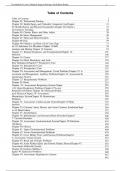
Table of Contents
P P
TableP ofPContents 1
ChapterP 01:P ProfessionalP Nursing 3
ChapterP 02:PHealthP EquityP andP CulturallyP CompetentP CareChapterP 13
03:PHealthPHistoryPandP PhysicalPExaminationPChapterP04:PPatientPa 21
ndPCaregiverPTeaching 28
ChapterP 05:PChronicP IllnessP andP OlderP AdultsP 38
ChapterP06:PStressPManagement 48
ChapterP 07:PSleepP andP SleepP DisordersP 54
ChapterP08:PPain 59
ChapterP 09:PPalliativeP andP EndP ofP LifePCarePChap 71
terP10:PSubstancePUsePDisordersPChapterP11:PInfla 79
mmationPandPHealingPChapterP12:PGenetics 91
ChapterP 13:P ImmuneP ResponsesP andP TransplantationChapterP14:P 101
Infection 105
ChapterP 15:PCancer 117
ChapterP 16:PFluid,P Electrolyte,P andP Acid- 129
BaseP ImbalancesChapterP17:PPreoperativePCare 148
ChapterP 18:P IntraoperativeP CareP 165
ChapterP 19:P PostoperativeP Care 175
ChapterP 20:PAssessmentP andP Management:P VisualP ProblemsPChapterP 21:PA 184
ssessmentP andP Management:P AuditoryP ProblemsChapterP22:PAssessment:PIn 196
tegumentaryPSystem 216
ChapterP 23:P IntegumentaryP ProblemsP 227
ChapterP24:PBurns 233
ChapterP 25:P Assessment:PRespiratoryPSystemPChapte 245
rP26:PUpperPRespiratoryPProblemsPChapterP27:PLowerP 259
RespiratoryPProblemsPChapterP 28:PObstructivePPulmo 270
naryP DiseasesPChapterP 29:P Assessment: 282
HematologicP SystemChapterP30:PHematologicP 305
Problems 325
ChapterP 31:P Assessment:P CardiovascularP SystemChapterP32:PHype 332
rtension 353
ChapterP 33:PCoronaryP ArteryP DiseaseP andP AcuteP CoronaryP SyndromePChapt 364
erP34:PHeartPFailure 375
ChapterP 35:P Dysrhythmias 394
ChapterP 36:P InflammatoryP andP StructuralP HeartP DisordersChapterP3 406
7:PVascularPDisorders 420
ChapterP 38:P Assessment:P GastrointestinalP SystemChapterP39:PNutritiona 435
lPProblems 450
ChapterP 40:PObesity 458
ChapterP 41:P UpperP GastrointestinalP ProblemsP 469
ChapterP 42:P LowerP GastrointestinalP Problems 478
ChapterP 43:PLiver,P BiliaryP Tract,P andP PancreasP ProblemsChapterP4 499
4:PAssessment:PUrinaryPSystem 523
ChapterP 45:P RenalP andP UrologicP Problems 543
ChapterP 46:PAcuteP KidneyP InjuryP andP ChronicP KidneyPDiseaseChapterP47:P 553
Assessment:PEndocrinePSystem 573
ChapterP48:PDiabetesPMellitusPC 590
hapterP 49:P EndocrineP Problems 600
ChapterP 50:P Assessment:P ReproductiveP System 622
642
,TestPBankPForPLewis’sPMedicalPSurgicalPNursingP11thPEditionPHardin 2
g
ChapterP 51:PBreastP Disorders 650
ChapterP52:PSexuallyPTransmittedPInfectionsChapterP53 662
:P FemaleP ReproductiveP ProblemsChapterP 54: 671
MalePReproductivePProblemsPChapterP 55: 693
Assessment:PNervousP SystemPChapterP56:PAcuteP 708
IntracranialPProblemsPChapterP57:PStroke 717
ChapterP 58:P ChronicP NeurologicP ProblemsChapterP 734
59:PDementiaPandPDelirium 747
ChapterP 60:PSpinalP CordP andP PeripheralP NerveP ProblemsChapterP61:PAss 763
essment:PMusculoskeletalPSystem 772
ChapterP 62:P MusculoskeletalP TraumaP andP OrthopedicP SurgeryChapterP63 787
:PMusculoskeletalPProblems 794
ChapterP 64:P ArthritisP andP ConnectiveP TissueP DiseasesChapterP65:PCritica 814
lPCare 825
ChapterP 66:PShock,P Sepsis,P andP MultipleP OrganP DysfunctionP Syndrome 845
ChapterP 67:P AcuteP RespiratoryP FailureP andP AcuteP RespiratoryP DistressP SyndromeChapterP 864
68:PEmergencyPandPDisasterPNursing 877
889
TEST BANK FOR
P P
Lewis’s Medical Surgical
P P P
Nursing 11th Edition Har
P P P
ding
,TestPBankPForPLewis’sPMedicalPSurgicalPNursingP11thPEditionPHardin 3
g
Chapter 01: Professional Nursing
P P P
TestP BankPMULTIPL
EP CHOICE
1. TheP nurseP teachesP aP studentP nurseP aboutP howPtoP applyP theP nursingP processP whenP providingP patientP care
.PWhichP statement,P ifP madeP byPtheP studentP nurse,P indicatesP thatP teachingP wasP successful?
a. TheP nursingP processPisPaP scientific-basedP methodP ofP diagnosingP theP patientsP healthP careP problems.
b. TheP nursingP processP isPaP problem-solvingP toolP usedP toPidentifyP andP treatP patientsP healthP careP needs.
c. ThePnursingPprocessPisPbasedPonPnursingPtheoryPthatPincorporatesPthePbiopsychosocialPnaturePofPh
umans.
d. TheP nursingP processPisP usedP primarilyP toPexplainP nursingP interventionsP toP otherP healthP care
Pprofessionals.
ANS:PB
TheP nursingP processP isPaP problem-
solvingP approachP toPtheP identificationP andP treatmentP ofP patientsP problems.PDiagnosisP isP onlyP oneP phaseP ofPtheP n
ursingP process.P TheP primaryP useP ofPtheP nursingP processP isP inP patientP care,PnotP toPestablishP nursingPtheoryPorP expl
ainP nursingPinterventionsP toP otherP healthP careP professionals.
DIF:P CognitiveP Level:P UnderstandP (comprehension)
TOP:P NursingP Process:P ImplementationP MSC:P NCLEX:P SafeP andP EffectiveP CareP Environment
2. TheP nurseP describesPtoPaP studentP nurseP howP toP useP evidence-
basedP practiceP guidelinesP whenP caringP forPpatients.P WhichPstatement,P ifP madeP byPtheP nurse,PwouldP beP the
P mostP accurate?
a. InferencesP fromPclinicalP researchP studiesP areP usedP asPaP guide.
b. PatientP careP isP basedP onP clinicalP judgment,P experience,P andP traditions.
c. DataP areP evaluatedP toPshowP thatPtheP patientP outcomesP areP consistentlyP met.
d. RecommendationsP areP basedP onP research,P clinicalP expertise,P andP patientP preferences.
ANS:PD
Evidence-basedPpracticeP(EBP)PisPthePusePofPtheP bestP research-
basedPevidenceP combinedP withPclinicianPexpertise.PClinicalPjudgmentPbasedPonPthePnursesPclinicalPexperiencePis
P partP ofPEBP,P butP clinicalPdecisionPmakingP shouldP alsoP incorporateP currentP researchP andP research-
basedP guidelines.P EvaluationP ofP patientP outcomesPisPimportant,PbutPinterventionsPshouldPbePbasedPonPresearchPfro
mPrandomizedPcontrolP studiesP withPaP largePnumberP ofP subjects.
DIF:P CognitiveP Level:P RememberP (knowledge)
TOP:P NursingP Process:P PlanningP MSC:P NCLEX:P SafePandP EffectiveP CareP Environment
, TestPBankPForPLewis’sPMedicalPSurgicalPNursingP11thPEditionPHardin 4
g
3. TheP nurseP completesP anPadmissionP databaseP andPexplainsP thatPtheP planP ofP careP andP dischargeP goalsP willP beP
developedP withP theP patientsP input.P TheP patientP states,P HowP isP thisP differentP fromP whatPtheP doctorP does?P Which
PresponseP wouldPbeP mostP appropriateP forP theP nurseP toP make?
a. TheP roleP ofP theP nurseP isP toPadministerP medicationsP andP otherP treatmentsP prescribedP byP yourPdoctor.
b. TheP nursesP jobP isP toP helpP theP doctorP byP collectingP informationP andP communicatingP anyP problemsP
thatPoccur.
c. NursesP performP manyP ofPtheP sameP proceduresP asP theP doctor,P butP nursesPareP withPtheP patientsP forP
aPlongerP timeP thanPtheP doctor.
d. InP additionP toP caringP forP youP whileP youP arePsick,P theP nursesP willPassistP youP toP developP a
nPindividualizedPplanPtoP maintainP yourP health.
ANS:PD
ThisPresponsePisPconsistentPwithPthePAmericanPNursesPAssociationP(ANA)PdefinitionPofPnursing,PwhichPdescrib
esPtheP roleP ofP nursesP inP promotingP health.P TheP otherP responsesP describeP someP ofP theP dependentP andPcollabora
tiveP functionsP ofP theP nursingP roleP butP doP notP accuratelyP describeP theP nursesProleP inP theP healthPcarePsystem.
DIF:P CognitiveP Level:P UnderstandP (comprehension)
TOP:P NursingP Process:P ImplementationP MSC:P NCLEX:P SafeP andP EffectiveP CareP Environment
4. APpatientP whoPisPparalyzedP onPtheP leftP sideP ofP theP bodyP afterP aP strokeP developsP aP pressureP ulcerP onPtheP leftP hi
pPWhichP nursingP diagnosisP isP mostPappropriate?
a. ImpairedP physicalP mobilityP relatedP toP left-sidedP paralysis
b. RiskP forP impairedP tissueP integrityP relatedP toP left-sidedP weakness
c. ImpairedP skinP integrityP relatedP toP alteredP circulationP andP pressure
d. IneffectiveP tissueP perfusionP relatedP toP inabilityP toP moveP independentlyP
ANS:P C
TheP patientsP majorP problemP isP theP impairedP skinP integrityPasP demonstratedP byP theP presenceP ofP aP pressureP ulcer.P
TheP nurseP isPableP toPtreatP theP causeP ofP alteredP circulationP andP pressureP byPfrequentlyP repositioningP theP patient.P
AlthoughP left-
sidedP weaknessP isP aP problemP forP theP patient,P theP nurseP cannotP treatP theP weakness.P TheP riskP forPdiagnosisP isP no
tP appropriateP forP thisP patient,P whoPalreadyPhasP impairedP tissueP integrity.P TheP patientP doesP havePineffectiveP tissue
P perfusion,P butP theP impairedP skinP integrityP diagnosisP indicatesP moreP clearlyP whatP theP healthPproblemPis.
DIF:P CognitiveP Level:P ApplyP (application)
TOP:P NursingP Process:P DiagnosisP MSC:P NCLEX:P PhysiologicalP Integrity
5. AP patientP hasP beenPadmittedP toPtheP hospitalPforP surgeryPandPtellsP theP nurse,P IP doPnotP feelP comfortableP leavin
gPmyP childrenP withP myP parents.P WhichPactionPshouldPtheP nursePtakePnext?
g
Table of Contents
P P
TableP ofPContents 1
ChapterP 01:P ProfessionalP Nursing 3
ChapterP 02:PHealthP EquityP andP CulturallyP CompetentP CareChapterP 13
03:PHealthPHistoryPandP PhysicalPExaminationPChapterP04:PPatientPa 21
ndPCaregiverPTeaching 28
ChapterP 05:PChronicP IllnessP andP OlderP AdultsP 38
ChapterP06:PStressPManagement 48
ChapterP 07:PSleepP andP SleepP DisordersP 54
ChapterP08:PPain 59
ChapterP 09:PPalliativeP andP EndP ofP LifePCarePChap 71
terP10:PSubstancePUsePDisordersPChapterP11:PInfla 79
mmationPandPHealingPChapterP12:PGenetics 91
ChapterP 13:P ImmuneP ResponsesP andP TransplantationChapterP14:P 101
Infection 105
ChapterP 15:PCancer 117
ChapterP 16:PFluid,P Electrolyte,P andP Acid- 129
BaseP ImbalancesChapterP17:PPreoperativePCare 148
ChapterP 18:P IntraoperativeP CareP 165
ChapterP 19:P PostoperativeP Care 175
ChapterP 20:PAssessmentP andP Management:P VisualP ProblemsPChapterP 21:PA 184
ssessmentP andP Management:P AuditoryP ProblemsChapterP22:PAssessment:PIn 196
tegumentaryPSystem 216
ChapterP 23:P IntegumentaryP ProblemsP 227
ChapterP24:PBurns 233
ChapterP 25:P Assessment:PRespiratoryPSystemPChapte 245
rP26:PUpperPRespiratoryPProblemsPChapterP27:PLowerP 259
RespiratoryPProblemsPChapterP 28:PObstructivePPulmo 270
naryP DiseasesPChapterP 29:P Assessment: 282
HematologicP SystemChapterP30:PHematologicP 305
Problems 325
ChapterP 31:P Assessment:P CardiovascularP SystemChapterP32:PHype 332
rtension 353
ChapterP 33:PCoronaryP ArteryP DiseaseP andP AcuteP CoronaryP SyndromePChapt 364
erP34:PHeartPFailure 375
ChapterP 35:P Dysrhythmias 394
ChapterP 36:P InflammatoryP andP StructuralP HeartP DisordersChapterP3 406
7:PVascularPDisorders 420
ChapterP 38:P Assessment:P GastrointestinalP SystemChapterP39:PNutritiona 435
lPProblems 450
ChapterP 40:PObesity 458
ChapterP 41:P UpperP GastrointestinalP ProblemsP 469
ChapterP 42:P LowerP GastrointestinalP Problems 478
ChapterP 43:PLiver,P BiliaryP Tract,P andP PancreasP ProblemsChapterP4 499
4:PAssessment:PUrinaryPSystem 523
ChapterP 45:P RenalP andP UrologicP Problems 543
ChapterP 46:PAcuteP KidneyP InjuryP andP ChronicP KidneyPDiseaseChapterP47:P 553
Assessment:PEndocrinePSystem 573
ChapterP48:PDiabetesPMellitusPC 590
hapterP 49:P EndocrineP Problems 600
ChapterP 50:P Assessment:P ReproductiveP System 622
642
,TestPBankPForPLewis’sPMedicalPSurgicalPNursingP11thPEditionPHardin 2
g
ChapterP 51:PBreastP Disorders 650
ChapterP52:PSexuallyPTransmittedPInfectionsChapterP53 662
:P FemaleP ReproductiveP ProblemsChapterP 54: 671
MalePReproductivePProblemsPChapterP 55: 693
Assessment:PNervousP SystemPChapterP56:PAcuteP 708
IntracranialPProblemsPChapterP57:PStroke 717
ChapterP 58:P ChronicP NeurologicP ProblemsChapterP 734
59:PDementiaPandPDelirium 747
ChapterP 60:PSpinalP CordP andP PeripheralP NerveP ProblemsChapterP61:PAss 763
essment:PMusculoskeletalPSystem 772
ChapterP 62:P MusculoskeletalP TraumaP andP OrthopedicP SurgeryChapterP63 787
:PMusculoskeletalPProblems 794
ChapterP 64:P ArthritisP andP ConnectiveP TissueP DiseasesChapterP65:PCritica 814
lPCare 825
ChapterP 66:PShock,P Sepsis,P andP MultipleP OrganP DysfunctionP Syndrome 845
ChapterP 67:P AcuteP RespiratoryP FailureP andP AcuteP RespiratoryP DistressP SyndromeChapterP 864
68:PEmergencyPandPDisasterPNursing 877
889
TEST BANK FOR
P P
Lewis’s Medical Surgical
P P P
Nursing 11th Edition Har
P P P
ding
,TestPBankPForPLewis’sPMedicalPSurgicalPNursingP11thPEditionPHardin 3
g
Chapter 01: Professional Nursing
P P P
TestP BankPMULTIPL
EP CHOICE
1. TheP nurseP teachesP aP studentP nurseP aboutP howPtoP applyP theP nursingP processP whenP providingP patientP care
.PWhichP statement,P ifP madeP byPtheP studentP nurse,P indicatesP thatP teachingP wasP successful?
a. TheP nursingP processPisPaP scientific-basedP methodP ofP diagnosingP theP patientsP healthP careP problems.
b. TheP nursingP processP isPaP problem-solvingP toolP usedP toPidentifyP andP treatP patientsP healthP careP needs.
c. ThePnursingPprocessPisPbasedPonPnursingPtheoryPthatPincorporatesPthePbiopsychosocialPnaturePofPh
umans.
d. TheP nursingP processPisP usedP primarilyP toPexplainP nursingP interventionsP toP otherP healthP care
Pprofessionals.
ANS:PB
TheP nursingP processP isPaP problem-
solvingP approachP toPtheP identificationP andP treatmentP ofP patientsP problems.PDiagnosisP isP onlyP oneP phaseP ofPtheP n
ursingP process.P TheP primaryP useP ofPtheP nursingP processP isP inP patientP care,PnotP toPestablishP nursingPtheoryPorP expl
ainP nursingPinterventionsP toP otherP healthP careP professionals.
DIF:P CognitiveP Level:P UnderstandP (comprehension)
TOP:P NursingP Process:P ImplementationP MSC:P NCLEX:P SafeP andP EffectiveP CareP Environment
2. TheP nurseP describesPtoPaP studentP nurseP howP toP useP evidence-
basedP practiceP guidelinesP whenP caringP forPpatients.P WhichPstatement,P ifP madeP byPtheP nurse,PwouldP beP the
P mostP accurate?
a. InferencesP fromPclinicalP researchP studiesP areP usedP asPaP guide.
b. PatientP careP isP basedP onP clinicalP judgment,P experience,P andP traditions.
c. DataP areP evaluatedP toPshowP thatPtheP patientP outcomesP areP consistentlyP met.
d. RecommendationsP areP basedP onP research,P clinicalP expertise,P andP patientP preferences.
ANS:PD
Evidence-basedPpracticeP(EBP)PisPthePusePofPtheP bestP research-
basedPevidenceP combinedP withPclinicianPexpertise.PClinicalPjudgmentPbasedPonPthePnursesPclinicalPexperiencePis
P partP ofPEBP,P butP clinicalPdecisionPmakingP shouldP alsoP incorporateP currentP researchP andP research-
basedP guidelines.P EvaluationP ofP patientP outcomesPisPimportant,PbutPinterventionsPshouldPbePbasedPonPresearchPfro
mPrandomizedPcontrolP studiesP withPaP largePnumberP ofP subjects.
DIF:P CognitiveP Level:P RememberP (knowledge)
TOP:P NursingP Process:P PlanningP MSC:P NCLEX:P SafePandP EffectiveP CareP Environment
, TestPBankPForPLewis’sPMedicalPSurgicalPNursingP11thPEditionPHardin 4
g
3. TheP nurseP completesP anPadmissionP databaseP andPexplainsP thatPtheP planP ofP careP andP dischargeP goalsP willP beP
developedP withP theP patientsP input.P TheP patientP states,P HowP isP thisP differentP fromP whatPtheP doctorP does?P Which
PresponseP wouldPbeP mostP appropriateP forP theP nurseP toP make?
a. TheP roleP ofP theP nurseP isP toPadministerP medicationsP andP otherP treatmentsP prescribedP byP yourPdoctor.
b. TheP nursesP jobP isP toP helpP theP doctorP byP collectingP informationP andP communicatingP anyP problemsP
thatPoccur.
c. NursesP performP manyP ofPtheP sameP proceduresP asP theP doctor,P butP nursesPareP withPtheP patientsP forP
aPlongerP timeP thanPtheP doctor.
d. InP additionP toP caringP forP youP whileP youP arePsick,P theP nursesP willPassistP youP toP developP a
nPindividualizedPplanPtoP maintainP yourP health.
ANS:PD
ThisPresponsePisPconsistentPwithPthePAmericanPNursesPAssociationP(ANA)PdefinitionPofPnursing,PwhichPdescrib
esPtheP roleP ofP nursesP inP promotingP health.P TheP otherP responsesP describeP someP ofP theP dependentP andPcollabora
tiveP functionsP ofP theP nursingP roleP butP doP notP accuratelyP describeP theP nursesProleP inP theP healthPcarePsystem.
DIF:P CognitiveP Level:P UnderstandP (comprehension)
TOP:P NursingP Process:P ImplementationP MSC:P NCLEX:P SafeP andP EffectiveP CareP Environment
4. APpatientP whoPisPparalyzedP onPtheP leftP sideP ofP theP bodyP afterP aP strokeP developsP aP pressureP ulcerP onPtheP leftP hi
pPWhichP nursingP diagnosisP isP mostPappropriate?
a. ImpairedP physicalP mobilityP relatedP toP left-sidedP paralysis
b. RiskP forP impairedP tissueP integrityP relatedP toP left-sidedP weakness
c. ImpairedP skinP integrityP relatedP toP alteredP circulationP andP pressure
d. IneffectiveP tissueP perfusionP relatedP toP inabilityP toP moveP independentlyP
ANS:P C
TheP patientsP majorP problemP isP theP impairedP skinP integrityPasP demonstratedP byP theP presenceP ofP aP pressureP ulcer.P
TheP nurseP isPableP toPtreatP theP causeP ofP alteredP circulationP andP pressureP byPfrequentlyP repositioningP theP patient.P
AlthoughP left-
sidedP weaknessP isP aP problemP forP theP patient,P theP nurseP cannotP treatP theP weakness.P TheP riskP forPdiagnosisP isP no
tP appropriateP forP thisP patient,P whoPalreadyPhasP impairedP tissueP integrity.P TheP patientP doesP havePineffectiveP tissue
P perfusion,P butP theP impairedP skinP integrityP diagnosisP indicatesP moreP clearlyP whatP theP healthPproblemPis.
DIF:P CognitiveP Level:P ApplyP (application)
TOP:P NursingP Process:P DiagnosisP MSC:P NCLEX:P PhysiologicalP Integrity
5. AP patientP hasP beenPadmittedP toPtheP hospitalPforP surgeryPandPtellsP theP nurse,P IP doPnotP feelP comfortableP leavin
gPmyP childrenP withP myP parents.P WhichPactionPshouldPtheP nursePtakePnext?