Core Study APFCE
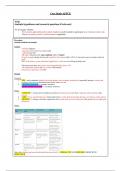
Aims
(include hypotheses and research questions if relevant)
To investigate whether:
- Free-contact and traditionally trained elephants can be trained to participate in a voluntary trunk wash
- Use of secondary positive reinforcement is applicable
Procedure
(include method and sample)
Sample:
- 5 female elephants
- 4 juveniles (5-7 years) born at the stable
- 1 adult (in her 50s)
- All captive [housed at the same elephant stable in Nepal]
- Grazed in jungle during the day and chained by the leg in a stable (1.83 to 2.4m room to move around a stake) at
night
- Diet: fresh grasses, grain, nutritional supplements, water at a river during grazing hours
- Chosen because they were docile, not pregnant/looking after a calf
- All traditionally trained and free contact with mahouts
- No previous experience with SPR
Method
Training:
1. SPR – teach elephants bridge between the primary and secondary reinforcer by repeatedly pairing a correct and
complete behaviour (in the behavioural chain) with a reward.
2. CHOPPED BANANA => primary reinforcer
SHORT WHISTLE BLOW => secondary reinforcer
Tools:
1. CAPTURE => waiting for the elephant to perform a behaviour naturally then ‘capturing’ it by marking with a
reward
2. LURE => non-natural behaviours [animal lured into a certain body position by placing a reward in a certain place].
3. SHAPING => starting with either capture/lure but rewards only given for behaviours that are the closest to the goal
behaviour.
Tasks:
Only after elephant performed individual behavioural task => VERBAL CUE AND REWARD PAIRED WITH
BEHAVIOUR
Aims
(include hypotheses and research questions if relevant)
To investigate whether:
- Free-contact and traditionally trained elephants can be trained to participate in a voluntary trunk wash
- Use of secondary positive reinforcement is applicable
Procedure
(include method and sample)
Sample:
- 5 female elephants
- 4 juveniles (5-7 years) born at the stable
- 1 adult (in her 50s)
- All captive [housed at the same elephant stable in Nepal]
- Grazed in jungle during the day and chained by the leg in a stable (1.83 to 2.4m room to move around a stake) at
night
- Diet: fresh grasses, grain, nutritional supplements, water at a river during grazing hours
- Chosen because they were docile, not pregnant/looking after a calf
- All traditionally trained and free contact with mahouts
- No previous experience with SPR
Method
Training:
1. SPR – teach elephants bridge between the primary and secondary reinforcer by repeatedly pairing a correct and
complete behaviour (in the behavioural chain) with a reward.
2. CHOPPED BANANA => primary reinforcer
SHORT WHISTLE BLOW => secondary reinforcer
Tools:
1. CAPTURE => waiting for the elephant to perform a behaviour naturally then ‘capturing’ it by marking with a
reward
2. LURE => non-natural behaviours [animal lured into a certain body position by placing a reward in a certain place].
3. SHAPING => starting with either capture/lure but rewards only given for behaviours that are the closest to the goal
behaviour.
Tasks:
Only after elephant performed individual behavioural task => VERBAL CUE AND REWARD PAIRED WITH
BEHAVIOUR