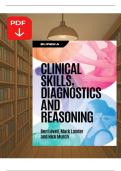
Test Bank For Fundamentals of Nursing 9th
Edition, Potter
MULTIPLE CHOICE
Chapter 01: Nursing Today
1. Which nurse most likely kept records on sanitation techniques and the effects on health?
a. Florence Nightingale
b. Mary Nutting
c. Clara Barton
d. Lillian Wald
2. The nurse prescribes strategies and alternatives to attain expected outcome. Which standard of nursing
practice is the nurse following?
a. Assessment
b. Diagnosis
c. Planning
d. Implementation
3. An experienced medical-surgical nurse chooses to work in obstetrics. Which level of proficiency is
the nurse upon initial transition to the obstetrical floor?
a. Novice
b. Proficient
c. Competent
d. Advanced beginner
4. A nurse assesses a patient’s fluid status and decides that the patient needs to drink more fluids. The
nurse then encourages the patient to drink more fluids. Which concept is the nurse demonstrating?
a. Licensure
b. Autonomy
c. Certification
d. Accountability
5. A nurse prepares the budget and policies for an intensive care unit. Which role is the nurse
implementing?
a. Educator
b. Manager
c. Advocate
d. Caregiver
6. The nurse has been working in the clinical setting for several years as an advanced practice nurse.
However, the nurse has a strong desire to pursue research and theory development. To fulfill this desire,
which program should the nurse attend?
,a. Doctor of Nursing Science degree (DNSc)
b. Doctor of Philosophy degree (PhD)
c. Doctor of Nursing Practice degree (DNP)
d. Doctor in the Science of Nursing degree (DSN)
7. A nurse attends a workshop on current nursing issues provided by the American Nurses Association.
Which type of education did the nurse receive?
a. Graduate education
b. Inservice education
c. Continuing education
d. Registered nurse education
8. A nurse identifies gaps between local and best practices. Which Quality and Safety Education for
Nurses (QSEN) competency is the nurse demonstrating?
a. Safety
b. Patient-centered care
c. Quality improvement
d. Teamwork and collaboration
9. A nurse has compassion fatigue. What is the nurse experiencing?
a. Lateral violence and intrapersonal conflict
b. Burnout and secondary traumatic stress
c. Short-term grief and single stressor
d. Physical and mental exhaustion
10. A patient is scheduled for surgery. When getting ready to obtain the informed consent, the patient
tells the nurse, “I have no idea what is going to happen. I couldn’t ask any questions.” The nurse does
not allow the patient to sign the permit and notifies the health care provider of the situation. Which role
is the nurse displaying?
a. Manager
b. Patient educator
c. Patient advocate
d. Clinical nurse specialist
Chapter 02: The Health Care Delivery System
1. The nurse is caring for a patient whose insurance coverage is Medicare. The nurse should consider
which information when planning care for this patient?
a. Capitation provides the hospital with a means of recovering variable charges.
b. The hospital will be paid for the full cost of the patient’s hospitalization.
c. Diagnosis-related groups (DRGs) provide a fixed reimbursement of cost.
d. Medicare will pay the national average for the patient’s condition.
2. A nurse is teaching the staff about managed care. Which information should the nurse include in the
teaching session?
a. Managed care insures full coverage of health care costs.
b. Managed care only assumes the financial risk involved.
c. Managed care allows providers to focus on illness care.
d. Managed care causes providers to focus on prevention.
3. A nurse is teaching a family about health care plans. Which information from the nurse indicates a
correct understanding of the Affordable Care Act?
a. A family can choose whether to have health insurance with no consequences.
,b. Primary care physician payments from Medicaid services can equal Medicare.
c. Adult children up to age 26 are allowed coverage on the parent’s plan.
d. Private insurance companies can deny coverage for any reason.
4. A nurse is caring for a patient in the hospital. When should the nurse begin discharge planning?
a. When the patient is ready
b. Close to the time of discharge
c. Upon admission to the hospital
d. After an order is written/prescribed
5. The nurse is applying for a position with a home care organization that specializes in spinal cord
injury. In which type of health care facility does the nurse want to work?
a. Secondary acute
b. Continuing
c. Restorative
d. Tertiary
6. A nurse provides immunization to children and adults through the public health department. Which
type of health care is the nurse providing?
a. Primary care
b. Preventive care
c. Restorative care
d. Continuing care
7. A nurse is following the PDSA cycle for quality improvement. Which action will the nurse take for
the letter “A”?
a. Act
b. Alter
c. Assess
d. Approach
8. The nurse is trying to determine how well a certain health plan compares with other health plans. To
gather this type of data, which information will the nurse utilize?
a. Pew Health Professions Commission
b. Healthcare Effectiveness Data and Information Set (HEDIS)
c. American Nurses Credentialing Center (ANCC) Magnet Recognition Program
d. Hospital Consumer of Assessment of Healthcare Providers and Systems (HCAHPS)
9. An older adult patient has extensive wound care needs after discharge from the hospital. Which
facility should the nurse discuss with the patient?
a. Hospice
b. Respite care
c. Assisted living
d. Skilled nursing
10. A nurse working in a community hospital’s emergency department provides care to a patient having
chest pain. Which level of care is the nurse providing?
a. Continuing care
b. Restorative care
c. Preventive care
d. Tertiary care
Chapter 03: Community-Based Nursing Practice
, 1. A nurse is working as a public health nurse. What will be the nurse’s primary focus?
a. The individual as one member of a group
b. Individuals and families
c. Needs of a population
d. Health promotion
2. A nurse wants to become a specialist in public health nursing. Which educational requirement will the
nurse have to obtain?
a. A baccalaureate degree in nursing
b. Preparation at the basic entry level
c. The same level of education as the community health nurse
d. A graduate level education with a focus in public health science
3. A nurse is working as a community health nurse. Which action is a priority for this nurse?
a. Provide direct care to subpopulations.
b. Focus on the needs of the ill individual.
c. Provide first level of contact to health care systems.
d. Focus on providing care in various community settings.
4. A nurse is focusing on acute and chronic care of individuals and families within a community while
enhancing patient autonomy. Which type of nursing care is the nurse providing?
a. Public health
b. Community health
c. Community-based
d. Community assessment
5. The community health nurse is administering flu shots to children at a local playground. What is the
rationale for this nurse’s action?
a. To prevent individual illness
b. To prevent community outbreak of illness
c. To prevent outbreak of illness in the family
d. To prevent needs of the local population groups
6. A nurse attended a seminar on community-based health care. Which information indicates the nurse
has a good understanding of community-based health care?
a. It occurs in hospitals.
b. Its focus is on ill individuals.
c. Its priority is health promotion.
d. It provides services primarily to the poor.
7. A nurse is using the Healthy People 2020 to establish goals for the community. Which goal is
priority?
a. Reduce health care costs.
b. Increase life expectancy.
c. Provide services close to where patients live.
d. Isolate patients to prevent the spread of disease.
8. A nurse is working in community-based nursing. Which competency is priority for this nurse?
a. Caregiver
b. Collaborator
c. Change agent
d. Case manager
Edition, Potter
MULTIPLE CHOICE
Chapter 01: Nursing Today
1. Which nurse most likely kept records on sanitation techniques and the effects on health?
a. Florence Nightingale
b. Mary Nutting
c. Clara Barton
d. Lillian Wald
2. The nurse prescribes strategies and alternatives to attain expected outcome. Which standard of nursing
practice is the nurse following?
a. Assessment
b. Diagnosis
c. Planning
d. Implementation
3. An experienced medical-surgical nurse chooses to work in obstetrics. Which level of proficiency is
the nurse upon initial transition to the obstetrical floor?
a. Novice
b. Proficient
c. Competent
d. Advanced beginner
4. A nurse assesses a patient’s fluid status and decides that the patient needs to drink more fluids. The
nurse then encourages the patient to drink more fluids. Which concept is the nurse demonstrating?
a. Licensure
b. Autonomy
c. Certification
d. Accountability
5. A nurse prepares the budget and policies for an intensive care unit. Which role is the nurse
implementing?
a. Educator
b. Manager
c. Advocate
d. Caregiver
6. The nurse has been working in the clinical setting for several years as an advanced practice nurse.
However, the nurse has a strong desire to pursue research and theory development. To fulfill this desire,
which program should the nurse attend?
,a. Doctor of Nursing Science degree (DNSc)
b. Doctor of Philosophy degree (PhD)
c. Doctor of Nursing Practice degree (DNP)
d. Doctor in the Science of Nursing degree (DSN)
7. A nurse attends a workshop on current nursing issues provided by the American Nurses Association.
Which type of education did the nurse receive?
a. Graduate education
b. Inservice education
c. Continuing education
d. Registered nurse education
8. A nurse identifies gaps between local and best practices. Which Quality and Safety Education for
Nurses (QSEN) competency is the nurse demonstrating?
a. Safety
b. Patient-centered care
c. Quality improvement
d. Teamwork and collaboration
9. A nurse has compassion fatigue. What is the nurse experiencing?
a. Lateral violence and intrapersonal conflict
b. Burnout and secondary traumatic stress
c. Short-term grief and single stressor
d. Physical and mental exhaustion
10. A patient is scheduled for surgery. When getting ready to obtain the informed consent, the patient
tells the nurse, “I have no idea what is going to happen. I couldn’t ask any questions.” The nurse does
not allow the patient to sign the permit and notifies the health care provider of the situation. Which role
is the nurse displaying?
a. Manager
b. Patient educator
c. Patient advocate
d. Clinical nurse specialist
Chapter 02: The Health Care Delivery System
1. The nurse is caring for a patient whose insurance coverage is Medicare. The nurse should consider
which information when planning care for this patient?
a. Capitation provides the hospital with a means of recovering variable charges.
b. The hospital will be paid for the full cost of the patient’s hospitalization.
c. Diagnosis-related groups (DRGs) provide a fixed reimbursement of cost.
d. Medicare will pay the national average for the patient’s condition.
2. A nurse is teaching the staff about managed care. Which information should the nurse include in the
teaching session?
a. Managed care insures full coverage of health care costs.
b. Managed care only assumes the financial risk involved.
c. Managed care allows providers to focus on illness care.
d. Managed care causes providers to focus on prevention.
3. A nurse is teaching a family about health care plans. Which information from the nurse indicates a
correct understanding of the Affordable Care Act?
a. A family can choose whether to have health insurance with no consequences.
,b. Primary care physician payments from Medicaid services can equal Medicare.
c. Adult children up to age 26 are allowed coverage on the parent’s plan.
d. Private insurance companies can deny coverage for any reason.
4. A nurse is caring for a patient in the hospital. When should the nurse begin discharge planning?
a. When the patient is ready
b. Close to the time of discharge
c. Upon admission to the hospital
d. After an order is written/prescribed
5. The nurse is applying for a position with a home care organization that specializes in spinal cord
injury. In which type of health care facility does the nurse want to work?
a. Secondary acute
b. Continuing
c. Restorative
d. Tertiary
6. A nurse provides immunization to children and adults through the public health department. Which
type of health care is the nurse providing?
a. Primary care
b. Preventive care
c. Restorative care
d. Continuing care
7. A nurse is following the PDSA cycle for quality improvement. Which action will the nurse take for
the letter “A”?
a. Act
b. Alter
c. Assess
d. Approach
8. The nurse is trying to determine how well a certain health plan compares with other health plans. To
gather this type of data, which information will the nurse utilize?
a. Pew Health Professions Commission
b. Healthcare Effectiveness Data and Information Set (HEDIS)
c. American Nurses Credentialing Center (ANCC) Magnet Recognition Program
d. Hospital Consumer of Assessment of Healthcare Providers and Systems (HCAHPS)
9. An older adult patient has extensive wound care needs after discharge from the hospital. Which
facility should the nurse discuss with the patient?
a. Hospice
b. Respite care
c. Assisted living
d. Skilled nursing
10. A nurse working in a community hospital’s emergency department provides care to a patient having
chest pain. Which level of care is the nurse providing?
a. Continuing care
b. Restorative care
c. Preventive care
d. Tertiary care
Chapter 03: Community-Based Nursing Practice
, 1. A nurse is working as a public health nurse. What will be the nurse’s primary focus?
a. The individual as one member of a group
b. Individuals and families
c. Needs of a population
d. Health promotion
2. A nurse wants to become a specialist in public health nursing. Which educational requirement will the
nurse have to obtain?
a. A baccalaureate degree in nursing
b. Preparation at the basic entry level
c. The same level of education as the community health nurse
d. A graduate level education with a focus in public health science
3. A nurse is working as a community health nurse. Which action is a priority for this nurse?
a. Provide direct care to subpopulations.
b. Focus on the needs of the ill individual.
c. Provide first level of contact to health care systems.
d. Focus on providing care in various community settings.
4. A nurse is focusing on acute and chronic care of individuals and families within a community while
enhancing patient autonomy. Which type of nursing care is the nurse providing?
a. Public health
b. Community health
c. Community-based
d. Community assessment
5. The community health nurse is administering flu shots to children at a local playground. What is the
rationale for this nurse’s action?
a. To prevent individual illness
b. To prevent community outbreak of illness
c. To prevent outbreak of illness in the family
d. To prevent needs of the local population groups
6. A nurse attended a seminar on community-based health care. Which information indicates the nurse
has a good understanding of community-based health care?
a. It occurs in hospitals.
b. Its focus is on ill individuals.
c. Its priority is health promotion.
d. It provides services primarily to the poor.
7. A nurse is using the Healthy People 2020 to establish goals for the community. Which goal is
priority?
a. Reduce health care costs.
b. Increase life expectancy.
c. Provide services close to where patients live.
d. Isolate patients to prevent the spread of disease.
8. A nurse is working in community-based nursing. Which competency is priority for this nurse?
a. Caregiver
b. Collaborator
c. Change agent
d. Case manager