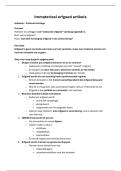
EPIC THEATRE
concepts/characteristics
dramatic analysis
presentational analysis
THE CAUCASIAN CHALK CIRCLE
, CONCEPTS/CHARACTERISTICS
CONCEPT INFLUENCE EXPLANATION EXAMPLES
Verfremdungseffekt/ Orient: audience must critically Audience re-examines pre- Michael=doll (emotional detachment)
V-effect/ analyse action conceptions by looking at the Singer uses script in Prologue and
Alienation Expressionism: stock characters familiar anew; no emotional breaks emotional continuity
ACTOR-AUDIENCE catharsis Simon and Grusha talk to each other
RELATIONSHIP in the 3rd person
SPASS Frank Wedekind: slapstick, Comedy used to comment on a Natella and the Governor's
CHARACTERISATION & PLOT heightened melodrama, paradox social issue, V-effect device, exaggerated characters
as comedy audience examines comedy more Act 1: Doctors are a comic duo
Chaplin: comedy to comment on than drama, breaks emotional Act 2: Sergeant's crude humour
social issue tension
Gestus & Propgestus Greek Theatre: masks, Gestus: physical embodiment of Natella's haughty behaviour
CHARACTERISATION & stereotypes person's role in society Grusha uses Michael's jacket to
COSTUMING Chaplin: exaggerated actions Propgestus: masks/props/costumes "become" upper class
reveals character's role/status/etc.
Historification Medieval Theatre: tales of heroic Historical stories paralleled with Story (from Bible and ancient Chinese
SETTING deeds/epics current issues and audience is folktale) of the Chalk Circle
Shakespeare: tales from past distanced from characters Setting is in the past
Lutheran Bible: parables Issue shown in "modern" Prologue
Montage Shakespeare: acts as episodes Fragmented, episodic, self-contained Episodes linked by singer
STRUCTURE Greek Theatre: episodic structures, development is focused Act 4 and Act 1 take place in the same
Expressionism: episodic on thematic jumps, keeps audience time period
alert Random time passing between acts
Lehrstücke Frank Wedekind: liberal and anti- Didactic plays that give intellectual Azdak: not a typical judge (distorted
THEMES & INTENTIONS governmental causes pleasure with little empathy for the Robin Hood)
Erwin Piscator: political characters; dialectical and Grusha: begrudgingly accepts her role
motivations paradoxical characters and plot as a mother
DRAMATIC ANALYSIS
, STRUCTURE
CONCEPT INFLUENCE EXPLANATION EXAMPLES
Play-within-a-play Historification Play is performed in the story/play TCCC is a story told by the Singer to
V-effect to create attention and alienation the farmers and the Expert.
from modern era.
Thematic Jumps/Semi-cyclical Montage Self-contained episode; no linear Act 4 and Act 1 take place in the same
Structure development and used to create period, and Act 5 is a convergence of
alienation. narratives (Grusha and Azdak)
Episodic Structure Montage Each episode can stand on their 5 distinct acts. Each act has its own
own: minor climaxes and story/purpose. Prologue completely
pronounced either verbally or separate.
through a sign/projection.
Open-ending V-effect Audience has to decide the ending It is unclear what happens to Natella
Dialectics and this encourages critical thinking. and Azdak (who apparently
(thesis – antithesis – synthesis) disappears).
LANGUAGE
CONCEPT INFLUENCE EXPLANATION EXAMPLES
Juxtaposition V-effect Different language/speech types are Prologue – kolchos casual speech
used to break empathy. Act 1 – court's formal speech
V-effect Expressionism/Orient Breaks empathy and encourages Proposal between Simon and Grusha
critical thinking. is formal and in 3rd person
Gestus in language Stereotypes/Stock Characters Easily identifiable stock characters; Grusha mimics Natella in Act 2.
parody bourgeoisie. Stilted, formal language of court.
CHARACTERS
CHARACTER INFLUENCE EXPLANATION EXAMPLES
concepts/characteristics
dramatic analysis
presentational analysis
THE CAUCASIAN CHALK CIRCLE
, CONCEPTS/CHARACTERISTICS
CONCEPT INFLUENCE EXPLANATION EXAMPLES
Verfremdungseffekt/ Orient: audience must critically Audience re-examines pre- Michael=doll (emotional detachment)
V-effect/ analyse action conceptions by looking at the Singer uses script in Prologue and
Alienation Expressionism: stock characters familiar anew; no emotional breaks emotional continuity
ACTOR-AUDIENCE catharsis Simon and Grusha talk to each other
RELATIONSHIP in the 3rd person
SPASS Frank Wedekind: slapstick, Comedy used to comment on a Natella and the Governor's
CHARACTERISATION & PLOT heightened melodrama, paradox social issue, V-effect device, exaggerated characters
as comedy audience examines comedy more Act 1: Doctors are a comic duo
Chaplin: comedy to comment on than drama, breaks emotional Act 2: Sergeant's crude humour
social issue tension
Gestus & Propgestus Greek Theatre: masks, Gestus: physical embodiment of Natella's haughty behaviour
CHARACTERISATION & stereotypes person's role in society Grusha uses Michael's jacket to
COSTUMING Chaplin: exaggerated actions Propgestus: masks/props/costumes "become" upper class
reveals character's role/status/etc.
Historification Medieval Theatre: tales of heroic Historical stories paralleled with Story (from Bible and ancient Chinese
SETTING deeds/epics current issues and audience is folktale) of the Chalk Circle
Shakespeare: tales from past distanced from characters Setting is in the past
Lutheran Bible: parables Issue shown in "modern" Prologue
Montage Shakespeare: acts as episodes Fragmented, episodic, self-contained Episodes linked by singer
STRUCTURE Greek Theatre: episodic structures, development is focused Act 4 and Act 1 take place in the same
Expressionism: episodic on thematic jumps, keeps audience time period
alert Random time passing between acts
Lehrstücke Frank Wedekind: liberal and anti- Didactic plays that give intellectual Azdak: not a typical judge (distorted
THEMES & INTENTIONS governmental causes pleasure with little empathy for the Robin Hood)
Erwin Piscator: political characters; dialectical and Grusha: begrudgingly accepts her role
motivations paradoxical characters and plot as a mother
DRAMATIC ANALYSIS
, STRUCTURE
CONCEPT INFLUENCE EXPLANATION EXAMPLES
Play-within-a-play Historification Play is performed in the story/play TCCC is a story told by the Singer to
V-effect to create attention and alienation the farmers and the Expert.
from modern era.
Thematic Jumps/Semi-cyclical Montage Self-contained episode; no linear Act 4 and Act 1 take place in the same
Structure development and used to create period, and Act 5 is a convergence of
alienation. narratives (Grusha and Azdak)
Episodic Structure Montage Each episode can stand on their 5 distinct acts. Each act has its own
own: minor climaxes and story/purpose. Prologue completely
pronounced either verbally or separate.
through a sign/projection.
Open-ending V-effect Audience has to decide the ending It is unclear what happens to Natella
Dialectics and this encourages critical thinking. and Azdak (who apparently
(thesis – antithesis – synthesis) disappears).
LANGUAGE
CONCEPT INFLUENCE EXPLANATION EXAMPLES
Juxtaposition V-effect Different language/speech types are Prologue – kolchos casual speech
used to break empathy. Act 1 – court's formal speech
V-effect Expressionism/Orient Breaks empathy and encourages Proposal between Simon and Grusha
critical thinking. is formal and in 3rd person
Gestus in language Stereotypes/Stock Characters Easily identifiable stock characters; Grusha mimics Natella in Act 2.
parody bourgeoisie. Stilted, formal language of court.
CHARACTERS
CHARACTER INFLUENCE EXPLANATION EXAMPLES