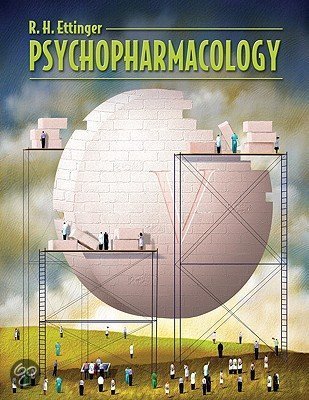
TEST BANK For Psychopharmacology Drugs
the Brain and Behavior 3rd Edition
By Meyer Nursing, Verified Chapters 1 - 20
WWW.THENURSINGMASTERY.COM
Page 1 of 247
,Chapter 1. Principles of Pharmacology
Chapter 2. Structure and Function of the Nervous System
Chapter 3. Chemical Signaling by Neurotransmitters and Hormones
Chapter 4. Methods of Research in Psychopharmacology
Chapter 5. Catecholamines
Chapter 6. Serotonin
Chapter 7. Acetylcholine
Chapter 8. Glutamate and GABA
Chapter 9. Drug Abuse and Addiction
Chapter 10. Alcohol
Chapter 11. The Opioids
Chapter 12. Psychomotor Stimulants: Cocaine, Amphetamine, and Related Drugs
Chapter 13. Nicotine and Caffeine
Chapter 14. Marijuana and the Cannabinoids
Chapter 15. Hallucinogens, PCP, and Ketamine
Chapter 16. Inhalants, GHB, and Anabolic-Androgenic Steroids
Chapter 17. Disorders of Anxiety and Impulsivity and the Drugs Used to Treat These
Disorders
Chapter 18. Affective Disorders: Antidepressants and Mood Stabilizers
Chapter 19. Schizophrenia: Antipsychotic Drugs
Chapter 20. Neurodegenerative Diseases
WWW.THENURSINGMASTERY.COM
Page 2 of 247
, Chapter 1: Principles of Pharmacology
Multiple Choice
1. refer(s) to specific molecular changes that occur when a drug binds to a
particular target site or receptor, while are the resulting widespread
alterationsin function.
a. Drug action; therapeutic effects
b. Side effects; drug effects
c. Therapeutic effects; side effects
d. Drug action; drug effects
ANSWER: d
Textbook Reference: Pharmacology: The Science of Drug Action
2. After drug administration has occurred, the amount of drug in the blood that is free
tobind at specific target sites is referred to as
a. the therapeutic dose.
b. first-pass effects.
c. bioavailability.
d. ED50.
ANSWER: c
Textbook Reference: Pharmacokinetic Factors Determining Drug Action
3. The specific molecular changes that occur when a drug binds to a particular target
siteor receptor are referred to as
a. drug effects.
b. drug action.
WWW.THENURSINGMASTERY.COM
Page 3 of 247
, c. side effects.
d. placebo effects.
ANSWER: b
Textbook Reference: Pharmacology: The Science of Drug Action
4. Which of the following is not a possible explanation for placebo effects?
a. Pavlovian conditioning
b. Genetic variation
c. Drug competition
d. Expectation of outcome
ANSWER: c
Textbook Reference: Pharmacology: The Science of Drug Action
WWW.THENURSINGMASTERY.COM
Page 4 of 247
the Brain and Behavior 3rd Edition
By Meyer Nursing, Verified Chapters 1 - 20
WWW.THENURSINGMASTERY.COM
Page 1 of 247
,Chapter 1. Principles of Pharmacology
Chapter 2. Structure and Function of the Nervous System
Chapter 3. Chemical Signaling by Neurotransmitters and Hormones
Chapter 4. Methods of Research in Psychopharmacology
Chapter 5. Catecholamines
Chapter 6. Serotonin
Chapter 7. Acetylcholine
Chapter 8. Glutamate and GABA
Chapter 9. Drug Abuse and Addiction
Chapter 10. Alcohol
Chapter 11. The Opioids
Chapter 12. Psychomotor Stimulants: Cocaine, Amphetamine, and Related Drugs
Chapter 13. Nicotine and Caffeine
Chapter 14. Marijuana and the Cannabinoids
Chapter 15. Hallucinogens, PCP, and Ketamine
Chapter 16. Inhalants, GHB, and Anabolic-Androgenic Steroids
Chapter 17. Disorders of Anxiety and Impulsivity and the Drugs Used to Treat These
Disorders
Chapter 18. Affective Disorders: Antidepressants and Mood Stabilizers
Chapter 19. Schizophrenia: Antipsychotic Drugs
Chapter 20. Neurodegenerative Diseases
WWW.THENURSINGMASTERY.COM
Page 2 of 247
, Chapter 1: Principles of Pharmacology
Multiple Choice
1. refer(s) to specific molecular changes that occur when a drug binds to a
particular target site or receptor, while are the resulting widespread
alterationsin function.
a. Drug action; therapeutic effects
b. Side effects; drug effects
c. Therapeutic effects; side effects
d. Drug action; drug effects
ANSWER: d
Textbook Reference: Pharmacology: The Science of Drug Action
2. After drug administration has occurred, the amount of drug in the blood that is free
tobind at specific target sites is referred to as
a. the therapeutic dose.
b. first-pass effects.
c. bioavailability.
d. ED50.
ANSWER: c
Textbook Reference: Pharmacokinetic Factors Determining Drug Action
3. The specific molecular changes that occur when a drug binds to a particular target
siteor receptor are referred to as
a. drug effects.
b. drug action.
WWW.THENURSINGMASTERY.COM
Page 3 of 247
, c. side effects.
d. placebo effects.
ANSWER: b
Textbook Reference: Pharmacology: The Science of Drug Action
4. Which of the following is not a possible explanation for placebo effects?
a. Pavlovian conditioning
b. Genetic variation
c. Drug competition
d. Expectation of outcome
ANSWER: c
Textbook Reference: Pharmacology: The Science of Drug Action
WWW.THENURSINGMASTERY.COM
Page 4 of 247