1
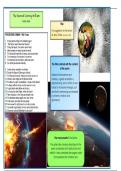
The Second Coming William
Butler Yeats
Title:
It is suggestive to the return
of Jesus Christ. SACAI NOV 2021
The title contrasts with the content
of the poem.
Instead of innocence and
holiness, a great revelation is
approaching; one in which a new
future for humanity emerges, but
one that is menacing and marked
by tyranny, malice, and
ignorance.
The most powerful :The Sphinx
The sphinx like creature described in the
poem symbolizes both destruction and
rebirth. It also symbolizes the pagan world
that predated the Christian era.
, What is The Second Coming poem about? 2
Yeats think of history as this
swirling vortex, the gyre. The gyre
"The Second Coming" is one of W.B. Yeats's most famous
moves further and further from its
centre SACAI NOV 2021 poems. Written in 1919 soon after the end of World War I,
it describes a deeply mysterious and powerful alternative
to the Christian idea of the Second Coming—Jesus's
prophesied return to the Earth as a saviour announcing
the Kingdom of Heaven.
Theme:
On one level, then, the poem explores the
sense of optimism that spring may bring after a
long, cold winter—symbolically suggesting the
cyclical nature of human life and its potential
for renewed hope even after long periods of
darkness.
The main theme of "The Second Coming" is
apocalypse. The overall tone of the poem is
one of foreboding, chaos, and loneliness, which
supports the theme of the end of the world.
What does The Second Coming symbolize?
While the Second Coming means the return of Christ and a new world order in the Christian
tradition, Yeats uses it to describe the birth of a mysterious beast. The beast is meant to
figuratively subvert the birth of Christ, end the age of morality, and usher in an age of evil and
immorality.
The Second Coming William
Butler Yeats
Title:
It is suggestive to the return
of Jesus Christ. SACAI NOV 2021
The title contrasts with the content
of the poem.
Instead of innocence and
holiness, a great revelation is
approaching; one in which a new
future for humanity emerges, but
one that is menacing and marked
by tyranny, malice, and
ignorance.
The most powerful :The Sphinx
The sphinx like creature described in the
poem symbolizes both destruction and
rebirth. It also symbolizes the pagan world
that predated the Christian era.
, What is The Second Coming poem about? 2
Yeats think of history as this
swirling vortex, the gyre. The gyre
"The Second Coming" is one of W.B. Yeats's most famous
moves further and further from its
centre SACAI NOV 2021 poems. Written in 1919 soon after the end of World War I,
it describes a deeply mysterious and powerful alternative
to the Christian idea of the Second Coming—Jesus's
prophesied return to the Earth as a saviour announcing
the Kingdom of Heaven.
Theme:
On one level, then, the poem explores the
sense of optimism that spring may bring after a
long, cold winter—symbolically suggesting the
cyclical nature of human life and its potential
for renewed hope even after long periods of
darkness.
The main theme of "The Second Coming" is
apocalypse. The overall tone of the poem is
one of foreboding, chaos, and loneliness, which
supports the theme of the end of the world.
What does The Second Coming symbolize?
While the Second Coming means the return of Christ and a new world order in the Christian
tradition, Yeats uses it to describe the birth of a mysterious beast. The beast is meant to
figuratively subvert the birth of Christ, end the age of morality, and usher in an age of evil and
immorality.