HC1: Introduction & Theoretical Strands 1
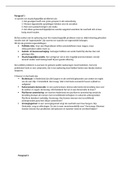
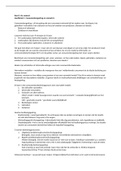
Sociology of organizations = study of relation between individuals and the social organizations.
macro level -> structural, cultural and social circumstances
micro level -> individuals, actions and agency (preferences)
Six strands of theory:
1. Managerial-psychologistic strand, (micro)
1a. Taylorism
- work more e cient (more work, more money)
- separate thinking from doing
- man as homo calculus (economic animal)
- scienti c management
- Fordism -> Taylorism on tech, “manipulate human behavior to maximize and output e cient
work!”
1b. Psychological humanism
- McGregor, theory x and y
- Theory X = authoritarian, tight control, no development, produces limited and depressed
culture.
- Theory Y = developmental, control, achievement and improvement achieved by
empowering and giving responsibility.
5 needs (Maslow):
1. (D) Self-actualization -> develop yourself, creativity and pursue talent
2. (E) Self-esteem -> achievement, status, recognition and respect
3. (A) Belonging love -> Family, friends, lover and partner
4. (C) Safety -> security, stability, not being afraid
5. (B) Psychological -> Drinks, food, shelter, warmth
Two-level theory of motivation,
- Hygiene factors: clean and feel safe
- Motivation factors: way of organizing that leads to satisfaction
2. Durkheim-Human-Relations, (macro)
- started with the industrial revolution
Four phases:
pre-capitalist (up to 1500) -> Mechanical solidarity
pre-industrial (up to 1750/1830) -> Organic Solidarity (social division of labor)
Industrial (1800-1960) -> Technical division of labor
Post-industrial (1960-…)
Hawthorne studies: rst industry employee interview program, Hawthorne e ect = being
observed e ect. Outing feelings -> social cohesion -> employee solidarity -> work harder -> loyal
to social organizations group.
- Aim to manipulate workers/employee behavior
3. Interactionist-negotiated order,
- Bridging micro and macro
- Organizations and their members restricted by rules -> bending the rules (Go man)
- Organisation and employees strive to identity:
• Self negotiation, identity and subjective career
• Stretch rules
• relations reinstated to institutional rules (institutional authority)
• Internal negotiation: discussing between patient and nurse
fi ffffi fi ffff ffi
, HC2: Theoretical Strands 2
4. Weber-social action-institutional,
- interplay between objective (material) and subjective (ideas) aspects
- Modernization as a continuing rationalization -> technical criteria (instead of magical and
traditional)
- Focus on e ciency
Bureaucracy: the best way to deal with rationalization (most e cient organization possible)
- control and co-ordination of work tasks through hierarchy
traditional authority = sanctity and traditions
charismatic authority = exceptional persons
rational-legal authority = based on legal position and rules
Traditional Bureaucratic
Organised on personal loyalty Organised on hierarchy and appeal
No-rules/informal rules Learnable rules, govern decisions
Unpredictable Predictable
No separation house-hold and business Private/professional distinction
o cials (ambtenaren) are leader’s and serve o cials (ambtenaren) are free, get salaries.
at pleasure of the leader Employment is a full time career.
-> Bureaucracy solves the problems of earlier administrative systems, E ciency doesn’t make it
morally just. ‘We are all prisoners within the iron cage of the bureaucratic organisational form.'
Can lead to ‘paradox of consequences’ = ???
Institutional theories:
- More emphasis on dysfunctional elements of institutional of organizations
- Organizations take the shape they do because, people draw from culture around them value-
based notions of how things should be organized.
Mindless conformity = someone who is conforms to a certain belief or idea without giving it
much thought (mimetic isomorphism), bvb. parking cars, marrying and having children.
5. Marx: labour process,
- Karl Marx, two types of people: proletariat (workers) and bourgeoisie (owners)
Owners (capitalist employment):
• Beat the competitors
• Maximize surplus value
• Increase e ciency (Taylorism)
• deskilling, routinizing and mechanizing of jobs
• power asymmetry = relation between owners and workers
21ste century: increasing accumulation of wealth on the part of the famous 1%, because rate of
return on capital always exceeds the rate of growth of income.
6. Post-modern & Post-structuralist,
ffi
ffiffi ffi ffi
Sociology of organizations = study of relation between individuals and the social organizations.
macro level -> structural, cultural and social circumstances
micro level -> individuals, actions and agency (preferences)
Six strands of theory:
1. Managerial-psychologistic strand, (micro)
1a. Taylorism
- work more e cient (more work, more money)
- separate thinking from doing
- man as homo calculus (economic animal)
- scienti c management
- Fordism -> Taylorism on tech, “manipulate human behavior to maximize and output e cient
work!”
1b. Psychological humanism
- McGregor, theory x and y
- Theory X = authoritarian, tight control, no development, produces limited and depressed
culture.
- Theory Y = developmental, control, achievement and improvement achieved by
empowering and giving responsibility.
5 needs (Maslow):
1. (D) Self-actualization -> develop yourself, creativity and pursue talent
2. (E) Self-esteem -> achievement, status, recognition and respect
3. (A) Belonging love -> Family, friends, lover and partner
4. (C) Safety -> security, stability, not being afraid
5. (B) Psychological -> Drinks, food, shelter, warmth
Two-level theory of motivation,
- Hygiene factors: clean and feel safe
- Motivation factors: way of organizing that leads to satisfaction
2. Durkheim-Human-Relations, (macro)
- started with the industrial revolution
Four phases:
pre-capitalist (up to 1500) -> Mechanical solidarity
pre-industrial (up to 1750/1830) -> Organic Solidarity (social division of labor)
Industrial (1800-1960) -> Technical division of labor
Post-industrial (1960-…)
Hawthorne studies: rst industry employee interview program, Hawthorne e ect = being
observed e ect. Outing feelings -> social cohesion -> employee solidarity -> work harder -> loyal
to social organizations group.
- Aim to manipulate workers/employee behavior
3. Interactionist-negotiated order,
- Bridging micro and macro
- Organizations and their members restricted by rules -> bending the rules (Go man)
- Organisation and employees strive to identity:
• Self negotiation, identity and subjective career
• Stretch rules
• relations reinstated to institutional rules (institutional authority)
• Internal negotiation: discussing between patient and nurse
fi ffffi fi ffff ffi
, HC2: Theoretical Strands 2
4. Weber-social action-institutional,
- interplay between objective (material) and subjective (ideas) aspects
- Modernization as a continuing rationalization -> technical criteria (instead of magical and
traditional)
- Focus on e ciency
Bureaucracy: the best way to deal with rationalization (most e cient organization possible)
- control and co-ordination of work tasks through hierarchy
traditional authority = sanctity and traditions
charismatic authority = exceptional persons
rational-legal authority = based on legal position and rules
Traditional Bureaucratic
Organised on personal loyalty Organised on hierarchy and appeal
No-rules/informal rules Learnable rules, govern decisions
Unpredictable Predictable
No separation house-hold and business Private/professional distinction
o cials (ambtenaren) are leader’s and serve o cials (ambtenaren) are free, get salaries.
at pleasure of the leader Employment is a full time career.
-> Bureaucracy solves the problems of earlier administrative systems, E ciency doesn’t make it
morally just. ‘We are all prisoners within the iron cage of the bureaucratic organisational form.'
Can lead to ‘paradox of consequences’ = ???
Institutional theories:
- More emphasis on dysfunctional elements of institutional of organizations
- Organizations take the shape they do because, people draw from culture around them value-
based notions of how things should be organized.
Mindless conformity = someone who is conforms to a certain belief or idea without giving it
much thought (mimetic isomorphism), bvb. parking cars, marrying and having children.
5. Marx: labour process,
- Karl Marx, two types of people: proletariat (workers) and bourgeoisie (owners)
Owners (capitalist employment):
• Beat the competitors
• Maximize surplus value
• Increase e ciency (Taylorism)
• deskilling, routinizing and mechanizing of jobs
• power asymmetry = relation between owners and workers
21ste century: increasing accumulation of wealth on the part of the famous 1%, because rate of
return on capital always exceeds the rate of growth of income.
6. Post-modern & Post-structuralist,
ffi
ffiffi ffi ffi