NFPA 211 Exam Study Guide
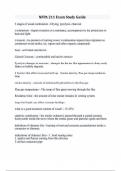
3 stages of wood combustion - Drying, pyrolysis, charcoal Combustion - Rapid oxidation of a substance, accompanied by the production of heat and light. Creosote - by-product of burning wood. Combustable deposit that originates as condensed wood smoke, tar, vapors and other organic compounds. Soot - soft black and brown Glazed Creosote - combustible and hard to remove Pyrolysis changes to creosote - changes the the tar-like appearance to shiny curly flakes or bubbly deposits 3 Factors that affect creosote build-up - Smoke density, flue gas temp,residence time smoke density - amount of unburned hydrocarbon in the flue gas Flue gas temperature - The temp of flue gases moving through the flue Residence time - the amount of time smoke remains in venting system large fuel loads can affect creosote buildup - what is a good moisture content of wood? - 15-25% catalytic combustors - the smoky exhaust is passed through a coated ceramic honeycomb inside the stove where the smoke gases and particles ignite and burn. definition of chimney fire - burning of soot and creosote accumulations inside a connector or chimney indications of chimney fires - 1. loud roaring noise 2. sparks and flames coming from the chimney hot connector pipe 4. vibrating connector and/or stove 5. flames visible in tiny cracks in connector 6. smoke an odors noticeable in adjoining rooms or attic
Información del documento
- Subido en
- 18 de noviembre de 2024
- Número de páginas
- 3
- Escrito en
- 2024/2025
- Tipo
- Examen
- Contiene
- Preguntas y respuestas