Chapter 9: Chest Pain
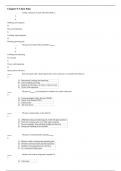
Cardiac chest pain is most often described as:
1.
A.
Stabbing, piercing pain
B.
Pain with inhalation
C.
Crushing, squeezing pain
D.
Burning, gnawing pain
The pain associated with pericarditis is .
2.
A.
Crushing and squeezing
B. Constant
C.
Worse with inspiration
D.
Only present with fever
Pain associated with a dissecting thoracic aortic aneurysm is commonly described as:
3.
A. Retrosternal crushing and squeezing
B. Chest stabbing and sharp
C. Ripping and tearing in the chest or thoracic back
D. Worse with inspiration
The pain of can frequently be mistaken for cardiac chest pain.
4.
A. Gastroesophageal reflux disease (GERD)
B. Peptic ulcer disease (PUD)
C. Cholecystitis
D. All of the above
The pain of pancreatitis is described as:
5.
A. Abdominal sharp and piercing pain in the left upper quadrant
B. Dull and cramping pain in the right upper quadrant
C. Severe, epigastric pain radiating straight into the back
D. Sharp pain radiating to the shoulder
The pain of costochondritis typically .
6.
A. Mimics cardiac crushing and squeezing pain
B. Worsens with movement and full inspiration
C. Radiates from epigastrium into the back
D. Is a tearing and ripping pain
Patients with anxiety frequently complain of:
7.
A. Chest pain
, B. Dizziness
C. Shortness of breath
D. A and B
8. . During a cardiac assessment on a 38-year-old patient in the hospital for chest pain, the nurse finds the following: jugular vein pulsations 4
cm above the sternal angle when the patient is elevated at 45 degrees, blood pressure 98/60 mm Hg, heart rate 130 beats per minute, ankle
edema, difficulty breathing when supine, and an S3 on auscultation. Which of these conditions best
explains the cause of these findings?
a. Fluid overload
Cardiac chest pain is most often described as:
1.
A.
Stabbing, piercing pain
B.
Pain with inhalation
C.
Crushing, squeezing pain
D.
Burning, gnawing pain
The pain associated with pericarditis is .
2.
A.
Crushing and squeezing
B. Constant
C.
Worse with inspiration
D.
Only present with fever
Pain associated with a dissecting thoracic aortic aneurysm is commonly described as:
3.
A. Retrosternal crushing and squeezing
B. Chest stabbing and sharp
C. Ripping and tearing in the chest or thoracic back
D. Worse with inspiration
The pain of can frequently be mistaken for cardiac chest pain.
4.
A. Gastroesophageal reflux disease (GERD)
B. Peptic ulcer disease (PUD)
C. Cholecystitis
D. All of the above
The pain of pancreatitis is described as:
5.
A. Abdominal sharp and piercing pain in the left upper quadrant
B. Dull and cramping pain in the right upper quadrant
C. Severe, epigastric pain radiating straight into the back
D. Sharp pain radiating to the shoulder
The pain of costochondritis typically .
6.
A. Mimics cardiac crushing and squeezing pain
B. Worsens with movement and full inspiration
C. Radiates from epigastrium into the back
D. Is a tearing and ripping pain
Patients with anxiety frequently complain of:
7.
A. Chest pain
, B. Dizziness
C. Shortness of breath
D. A and B
8. . During a cardiac assessment on a 38-year-old patient in the hospital for chest pain, the nurse finds the following: jugular vein pulsations 4
cm above the sternal angle when the patient is elevated at 45 degrees, blood pressure 98/60 mm Hg, heart rate 130 beats per minute, ankle
edema, difficulty breathing when supine, and an S3 on auscultation. Which of these conditions best
explains the cause of these findings?
a. Fluid overload