BA 300 SDSU Austin Quiz 1 Questions And
Answers
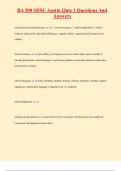
moral decision-making process 1. moral awareness, 2. ethical judgement, 3. ethical
behavior (affected by individual differences, cognitive biases, organizational pressures, and
culture)
moral awareness more likely to recognize an issue is moral when: peers consider it
morally problematic, moral language is used when problem is presented, decision could cause
serious harm to others
ethical language lying, cheating, integrity, honesty, fairness, propriety, stealing, forgery,
plagiarism; euphemistic language is helpful (toxic vs. troubled)
ethical judgement
looking up and around conventional level of cognitive development; most adults are
concerned with judgement from others
, BA 300 SDSU Austin Quiz 1 Questions And
Answers
sound ethical decision-making gather the facts, define ethical issues, identify the affected
parties, identify the consequences, identify the consequences, identify obligations, consider your
character and integrity, think creatively about potential actions, check your gut
reinforcement theory people are more likely to behave in ways that are rewarded, less
likely to do what is punished
quick decision-making go with your gut, ask for time to think it over, find out if your org
has a policy, ask for advice, use NY Times quick check test
Who shapes your ethical decisions? peers and superiors, organizational norm
Rewards and punishments
Identify two of the ways identified in the video segments that your superior in a business setting
can influence the degree of your ethical behavior in business: By setting high or low
expectations of your ethical behavior and by contributing to the overall organizational ethics
norm
Answers
moral decision-making process 1. moral awareness, 2. ethical judgement, 3. ethical
behavior (affected by individual differences, cognitive biases, organizational pressures, and
culture)
moral awareness more likely to recognize an issue is moral when: peers consider it
morally problematic, moral language is used when problem is presented, decision could cause
serious harm to others
ethical language lying, cheating, integrity, honesty, fairness, propriety, stealing, forgery,
plagiarism; euphemistic language is helpful (toxic vs. troubled)
ethical judgement
looking up and around conventional level of cognitive development; most adults are
concerned with judgement from others
, BA 300 SDSU Austin Quiz 1 Questions And
Answers
sound ethical decision-making gather the facts, define ethical issues, identify the affected
parties, identify the consequences, identify the consequences, identify obligations, consider your
character and integrity, think creatively about potential actions, check your gut
reinforcement theory people are more likely to behave in ways that are rewarded, less
likely to do what is punished
quick decision-making go with your gut, ask for time to think it over, find out if your org
has a policy, ask for advice, use NY Times quick check test
Who shapes your ethical decisions? peers and superiors, organizational norm
Rewards and punishments
Identify two of the ways identified in the video segments that your superior in a business setting
can influence the degree of your ethical behavior in business: By setting high or low
expectations of your ethical behavior and by contributing to the overall organizational ethics
norm