Sold to
NRSNG.com © 2015Gastrointestinal Disorders 1
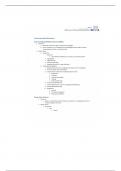
Gastrointestinal Disorders
Gastroesophageal Reflux Disease (GERD)
1. Overview
a. Backward movement of gastric contents into esophagus
b. Due to relaxation of or incompetent lower esophageal sphincter, pyloric stenosis,
increased gastric volume, or motility disorder
2. NCLEX® Points
a. Assessment
i. heartburn
1. exacerbated by bending over, straining, or recumbent position
ii. regurgitation
iii. hypersalivation
iv. difficulty swallowing
v. dyspepsia (discomfort in upper abdomen)
b. Therapeutic Management
i. Diagnosis made via pH test, esophagoscopy used to rule out malignancy
ii. do not eat within 2 hours of bedtime
iii. avoid food that reduce lower esophageal sphincter tone
1. peppermint
2. chocolate
3. carbonated beverages
4. smoking
5. fried and fatty foods
iv. eat a low fat, high fiber diet
v. avoid medications that ↓ gastric emptying (anticholinergics)
vi. elevate HOB while sleeping
vii. Medications
1. antacids
2. H2 receptor antagonists
3. Proton pump inhibitors
Peptic Ulcer Disease
1. Overview
a. Break in mucosal lining of stomach, pylorus, duodenum, or esophagus that come in
contact with gastric secretions
2. NCLEX® Points
a. Assessment
i. pain
1. Gastric
, NRSNG.com © 2015Gastrointestinal Disorders 2
a. gnawing, sharp 30-60 after a meal
2. Duodenal
a. 1.5 to 3 hours after eating
b. relieved by eating
ii. Upper GI series and EGD used to diagnose
iii. hematemesis (gastric)
iv. melena (duodenal)
b. Therapeutic Management
i. avoid foods that cause irritation
1. coffee
2. cola
3. tea
4. chocolate
5. high sodium
6. spicy foods
ii. smoking cessation
iii. small, frequent meals
iv. avoid aspirin and NSAIDs
v. monitor H&H and assess for bleeding
vi. Surgical options
1. gastrectomy
2. vagotomy
3. gastric resection
4. Bilroth I, Bilroth II
vii. medications
1. H2 receptor antagonists
2. Proton pump inhibitors
3. Antacids
4. sucralfate (Carafate)
Hiatal Hernia
1. Overview
a. Protrusion of bowel through the diaphragm into thorax
b. due to weakening of muscles in diaphragm
2. NCLEX® Points
a. Assessment
i. heartburn
ii. regurgitation
iii. dysphagia
iv. fullness
v. bowel sounds over chest
b. Therapeutic Management
NRSNG.com © 2015Gastrointestinal Disorders 1
Gastrointestinal Disorders
Gastroesophageal Reflux Disease (GERD)
1. Overview
a. Backward movement of gastric contents into esophagus
b. Due to relaxation of or incompetent lower esophageal sphincter, pyloric stenosis,
increased gastric volume, or motility disorder
2. NCLEX® Points
a. Assessment
i. heartburn
1. exacerbated by bending over, straining, or recumbent position
ii. regurgitation
iii. hypersalivation
iv. difficulty swallowing
v. dyspepsia (discomfort in upper abdomen)
b. Therapeutic Management
i. Diagnosis made via pH test, esophagoscopy used to rule out malignancy
ii. do not eat within 2 hours of bedtime
iii. avoid food that reduce lower esophageal sphincter tone
1. peppermint
2. chocolate
3. carbonated beverages
4. smoking
5. fried and fatty foods
iv. eat a low fat, high fiber diet
v. avoid medications that ↓ gastric emptying (anticholinergics)
vi. elevate HOB while sleeping
vii. Medications
1. antacids
2. H2 receptor antagonists
3. Proton pump inhibitors
Peptic Ulcer Disease
1. Overview
a. Break in mucosal lining of stomach, pylorus, duodenum, or esophagus that come in
contact with gastric secretions
2. NCLEX® Points
a. Assessment
i. pain
1. Gastric
, NRSNG.com © 2015Gastrointestinal Disorders 2
a. gnawing, sharp 30-60 after a meal
2. Duodenal
a. 1.5 to 3 hours after eating
b. relieved by eating
ii. Upper GI series and EGD used to diagnose
iii. hematemesis (gastric)
iv. melena (duodenal)
b. Therapeutic Management
i. avoid foods that cause irritation
1. coffee
2. cola
3. tea
4. chocolate
5. high sodium
6. spicy foods
ii. smoking cessation
iii. small, frequent meals
iv. avoid aspirin and NSAIDs
v. monitor H&H and assess for bleeding
vi. Surgical options
1. gastrectomy
2. vagotomy
3. gastric resection
4. Bilroth I, Bilroth II
vii. medications
1. H2 receptor antagonists
2. Proton pump inhibitors
3. Antacids
4. sucralfate (Carafate)
Hiatal Hernia
1. Overview
a. Protrusion of bowel through the diaphragm into thorax
b. due to weakening of muscles in diaphragm
2. NCLEX® Points
a. Assessment
i. heartburn
ii. regurgitation
iii. dysphagia
iv. fullness
v. bowel sounds over chest
b. Therapeutic Management