ETHICS PAPER 2 – REVISION
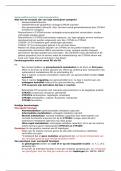
2.1 NATURAL LAW
St Thomas Aquinas- human conduct must follow certain principles found in natural ORDER –
- COGNITIVE REALIST APPROACH
- ‘ semi-official doctrine of the Catholic Church’- Peter Singer
‘right and wrong’/ ‘true or false’-
NATURAL MORAL LAW IS ‘RIGHT REASON IN ACCORDANCE WITH NATURE’ (Cicero) – a cognitive realist
point of view
SYNDERESIS RULEà ‘GOOD IS TO BE DONE AND EVIL IS TO BE AVOIDED’ – THOMAS AQUINAS, SUMMA
THEOLOGICA
RATIO – reason placed in every person as a result of being created in the image of God
CONSCIENTIA- a person’ reason making moral judgements
Vincible ignorance- lack of knowledge for which a person is responsible
Invincible ignorance- lack of knowledge for which a person is not responsible
^ AQUINAS’ THEOLOGICAL APPROACH
St PAUL- wrote in Romans that law is ‘written at the heart of the Gentiles’
AHLUWALIA- liked NML as he believed it combined faith with reason
DEONTOLOGICAL (DUTY-BASED) Theory- concerned with human ACTION and not the
result/consequence
- NML has had a big impact on Catholic teaching and NATURALISM- the idea that absolute right and
wrong lies inherently in nature
- Supporters of this being:
- HUGH GROTIUS
- WILLIAM PALEY
- JOHN LOCKE
- ARISTOTLE
Aquinas, like Aristotle, believed in a ‘telos’/ ‘purpose’, and that we should act in a way to achieve
GOODNESS – with the end goal being Aristotelian Eudaimonia
This kind of happiness could not occur on earth, but once UNITED WITH GOD
- AQUINAS- HIERACHY OF LAW, FORMING THE ‘NATURAL ORDER’
- ETERNAL LAW ( part of God, universal and absolute, applies to EVEYONE) à DIVINE LAW ( laws and
rules found in the BIBLE) à NATURAL LAW ( humans learning about God through the Natural World)
à HUMAN LAW ( derived from Natural and Divine Law)
- These laws are inherently in accordance with eachother
Deontological- relies on a supposed inherent human desire to DO GOOD AND AVOID EVIL
Had 5 primary precepts which stem off into an infinite number of secondary precepts:
5 fundamentals:
1) Preservation of life
2) Ordered society
3) Worship God
4) Education
5) Procreation
1
, While making decisions humans must choose whether or not their reasoning UPHOLDS primary
precept, and in doing so create SECONDARY precepts
This deontological approach may link to Kant, who looks at The Good Will, and being honest and not
taking advantage of others
ASPECTS- NML DISCUSSION POINTS
- Is a FIXED ethical foundation, there is no room for subjectivity- its cognitive outlook of an absolute
true/ false is definite, but equally might be restrictive
- Supports human rights in the primary precepts-
- But the framework is substantially vulnerable due to it relying on an inherent human desire to do
GOOD-
- POPE BENEDICT XVI- NML provides a counterbalance to the materialistic and hedonistic trends of
modern society
Which brings forth a NUANCE:à ARE HUMANS INHERENTLY GOOD? à see Hobbes vs Rousseau debate.
L’homme sauvage, man is ‘brutish’, vs tabula rasa, aka ‘blank slate’
There are certain things which the majority of humans see as universally and socially unacceptable,
e.g. murder, violence, etc.
UNHELPFULà
- Aquinas’ precepts based on belief in God
- Ignores the complexity of humans, e.g. assumes we are all heterosexual
- NIELSEN- NML makes the mistake of assuming all humans are similar and working to the same ‘end’
- BARTH- argues that NML limits what humans can do and what God can do- because of the fall,
human nature is damaged and depraved- the spiritual connection is too broken and therefore NML
cannot be used to make moral decisions as it relies too much on there being a really close
relationship with God
- Arguably out of date and ignores what is socially acceptable nowadays, e.g. the Protestants
rejected NML, Martin Luther found it was too out of touch with the modern day
- Relies on COGNITIVISM’
- AUGUSTINE- ‘Lex Injusta Non Est Lex’
MOORE’s NATURALISTIC FALLACY- believes naturalistic ethics falls on a conceptual mistake as just
because nature follows a particular path does not mean we have to follow the same path, we cannot
assume the presence of a ‘telos’
In TURN WITH HUME’S IS-OUGHT PROBLEM:
We can’t jump from observational / a posteriori ‘is’ statements to what ‘ought’ to be
-
ALTERNATIVELY, EMOTIVISM might provide a better framework as a non-cognitivist idea, down to
situational moral judgement
CRITICISNSà is-ought problem
‘ The obedient must be slaves’- Henry David Thoreau
2.2 SITUATION ETHICS
Joseph Fletcher is the main proponent of this- 1905-1991
2
2.1 NATURAL LAW
St Thomas Aquinas- human conduct must follow certain principles found in natural ORDER –
- COGNITIVE REALIST APPROACH
- ‘ semi-official doctrine of the Catholic Church’- Peter Singer
‘right and wrong’/ ‘true or false’-
NATURAL MORAL LAW IS ‘RIGHT REASON IN ACCORDANCE WITH NATURE’ (Cicero) – a cognitive realist
point of view
SYNDERESIS RULEà ‘GOOD IS TO BE DONE AND EVIL IS TO BE AVOIDED’ – THOMAS AQUINAS, SUMMA
THEOLOGICA
RATIO – reason placed in every person as a result of being created in the image of God
CONSCIENTIA- a person’ reason making moral judgements
Vincible ignorance- lack of knowledge for which a person is responsible
Invincible ignorance- lack of knowledge for which a person is not responsible
^ AQUINAS’ THEOLOGICAL APPROACH
St PAUL- wrote in Romans that law is ‘written at the heart of the Gentiles’
AHLUWALIA- liked NML as he believed it combined faith with reason
DEONTOLOGICAL (DUTY-BASED) Theory- concerned with human ACTION and not the
result/consequence
- NML has had a big impact on Catholic teaching and NATURALISM- the idea that absolute right and
wrong lies inherently in nature
- Supporters of this being:
- HUGH GROTIUS
- WILLIAM PALEY
- JOHN LOCKE
- ARISTOTLE
Aquinas, like Aristotle, believed in a ‘telos’/ ‘purpose’, and that we should act in a way to achieve
GOODNESS – with the end goal being Aristotelian Eudaimonia
This kind of happiness could not occur on earth, but once UNITED WITH GOD
- AQUINAS- HIERACHY OF LAW, FORMING THE ‘NATURAL ORDER’
- ETERNAL LAW ( part of God, universal and absolute, applies to EVEYONE) à DIVINE LAW ( laws and
rules found in the BIBLE) à NATURAL LAW ( humans learning about God through the Natural World)
à HUMAN LAW ( derived from Natural and Divine Law)
- These laws are inherently in accordance with eachother
Deontological- relies on a supposed inherent human desire to DO GOOD AND AVOID EVIL
Had 5 primary precepts which stem off into an infinite number of secondary precepts:
5 fundamentals:
1) Preservation of life
2) Ordered society
3) Worship God
4) Education
5) Procreation
1
, While making decisions humans must choose whether or not their reasoning UPHOLDS primary
precept, and in doing so create SECONDARY precepts
This deontological approach may link to Kant, who looks at The Good Will, and being honest and not
taking advantage of others
ASPECTS- NML DISCUSSION POINTS
- Is a FIXED ethical foundation, there is no room for subjectivity- its cognitive outlook of an absolute
true/ false is definite, but equally might be restrictive
- Supports human rights in the primary precepts-
- But the framework is substantially vulnerable due to it relying on an inherent human desire to do
GOOD-
- POPE BENEDICT XVI- NML provides a counterbalance to the materialistic and hedonistic trends of
modern society
Which brings forth a NUANCE:à ARE HUMANS INHERENTLY GOOD? à see Hobbes vs Rousseau debate.
L’homme sauvage, man is ‘brutish’, vs tabula rasa, aka ‘blank slate’
There are certain things which the majority of humans see as universally and socially unacceptable,
e.g. murder, violence, etc.
UNHELPFULà
- Aquinas’ precepts based on belief in God
- Ignores the complexity of humans, e.g. assumes we are all heterosexual
- NIELSEN- NML makes the mistake of assuming all humans are similar and working to the same ‘end’
- BARTH- argues that NML limits what humans can do and what God can do- because of the fall,
human nature is damaged and depraved- the spiritual connection is too broken and therefore NML
cannot be used to make moral decisions as it relies too much on there being a really close
relationship with God
- Arguably out of date and ignores what is socially acceptable nowadays, e.g. the Protestants
rejected NML, Martin Luther found it was too out of touch with the modern day
- Relies on COGNITIVISM’
- AUGUSTINE- ‘Lex Injusta Non Est Lex’
MOORE’s NATURALISTIC FALLACY- believes naturalistic ethics falls on a conceptual mistake as just
because nature follows a particular path does not mean we have to follow the same path, we cannot
assume the presence of a ‘telos’
In TURN WITH HUME’S IS-OUGHT PROBLEM:
We can’t jump from observational / a posteriori ‘is’ statements to what ‘ought’ to be
-
ALTERNATIVELY, EMOTIVISM might provide a better framework as a non-cognitivist idea, down to
situational moral judgement
CRITICISNSà is-ought problem
‘ The obedient must be slaves’- Henry David Thoreau
2.2 SITUATION ETHICS
Joseph Fletcher is the main proponent of this- 1905-1991
2