
Exam (elaborations) ABCTE
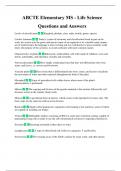
Levels of classification Kingdom, phylum, class, order, family, genus, species. Carolus Linneaus Today's system of taxonomy and classification based in part on his work; his system uses the genus and species name of an organism as its scientific name (names are in Latin because the language is non-evolving and was well-known to most scientists at the time); the purpose of the system is to avoid confusion with more common names. Characteristics of plants Eukaryotic, multicellular, cell walls made of cellulose, roots and shoots, autotrophic, and reproduce sexually and asexually. Nonvascular plants Have simple conducting tissue that does not differentiate into roots, stems, and leaves, i.e. mosses and liverworts. Vascular plants Have tissue that is differentiated into roots, stems, and leaves to facilitate the movement of water and other materials throughout the body of the plant. Mesophyll Layer of specialized cells within leaves where most of the plant's photosynthesis is performed. Mitosis The copying and division of the genetic material in the nucleus followed by cell division; occurs in the somatic (body) cells. Meiosis A specialized form of mitosis, which occurs in the reproductive tissues only. The basic steps are the same but with an extra division. Bacteria Single-celled prokaryotic organisms (cells lacking a true nucleus); some of which are capable of invading our bodies. Viruses (Debatable) entities consisting of RNA in some type of protein coating; capable of penetrating living cells in order to use the cell's biochemical resources to reproduce themselves. Exocrine Secreting externally (either ducts or skin). Lymphocytes A type of white blood cell (with two categories: T and B cells). Soil erosion The wearing away of the E
Información del documento
- Subido en
- 8 de junio de 2024
- Número de páginas
- 2
- Escrito en
- 2023/2024
- Tipo
- Examen
- Contiene
- Preguntas y respuestas

