SPAIN
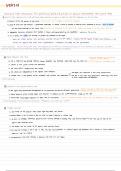
Discuss the reasons for political polarization in Spain between 1931 and 1936
① One of the reasons for the political polarization in Spain is due to the left Republic in 1931 to 1936
↳ Azana l i m i ts the of the church > the c h u rc h wa s no
longer in control of education
power
-
of attacked government attempted to reduce number o f officers by offering early retirement full pay 50 % of officers
army wa s also or
↳ power - -
radicalized to the right officers in nationalist
·
but the
police backfired as this meant that the army wa s as the who stayed the
army were
desperate existed in
depression fell
) problems exacerbated by 1/3
that
↳ economic Spain were
by the
production
-
4 As a result , the CEDA wa s for med to
protect the interests of the
Right
·
Spain did indeed become m o re
politically polarized during the left
Republic
. However, the left republic brought some stability in the
country as regions were given m o re independence -
Catalonia wa s given i ts ow n
parliament
Historiography - Payne discusses that the Republican's efforts to establish Spain's first democratic political systems
and to institute major reforms within the Republic was useful in theory
② Right Republic 1933-1936 > me
-
made
right reversed
by the left
all of
republic
the re fo r m s
>
- as a result of the growing tensions
,
Azana resigned ,
new elections were held and the right wo n >
-
CEDA became the
biggest party
is c o n t ro l education
↳ Church n ow
given ove r
land re fo r m wa s halted
↳ Th e programme
regions withdrawn
↳ the newly wo r independence of the we r e
region supported left-wing
The
h ow a
g ove r n m e n t
↳ threats f ro m a left general st ri ke increased and violence .
widespread -
led right wing
brutal
this
becoming
wa s to the
government m o re
in their treatment with opposition
Historiography
③ Popular front government 1936
election held in 1936 and left coalition
wa s a
wing
↳ the right wing government disintegrated
as the economic and political situation deteriorate
-
between socialists a n a rc h i sts and communist wa s
,
↳ Azand m i n i ste r and star ted to reser ve all the countermeasures made by
the right
b e cam e prime again
land countryside increased and spain the
early stages revolution
4 Anarchists encouraged peasants to seize in -
Violence wa s in of a left
wing
Historiography from historian Robinson - “Republic was the war itself”
⑪ Trigger causes
of front right wing CEDA into turmoil
↳T h e victory the popular threw
↳ Robles began to use his funds to use his funds to support plans for a military coup
↳ In fa c ,
t an extreme nationalist group
of junior Military officers (including hola and Franco) began to
plan the coup as soon as the
popular front attained power
↳ the
Catalyst wa s the m u rd e r of the
popular CEDA
politician Sotelo
1936 successful in nor ther n Spain and Andalusia , but i t failed in m a j o r industrial
↳T h e coup wa s initiated on the 17 July in . The Coup wa s
as we l l as madrid
a re a s
↳ consequently ,
both sides re a c h e d a deadlock and the Civil wa r began
, Evaluate the successes and failures of Primo di Rivera's government between 1923 and 1930
① Political divisions during the Primo di Rivera's government were mainly a success
Success >
-
he tried to establish an authoritarian right wing regime to redress Spain's problems
>
-
although he tried to s e t up a
military dictatorship ; King Alfonso supported the regime
>
-
he wa s seen as a saviour' by many people in Spain
, leading a crusade against social problems political corruption and
,
imperial humiliation
- he closed d ow n Cortes
suspending the constitution and
, banning all political par ties
Failure he set up h i s ow n political but Patriotic Union never achieved m u ch
popular support
- party ,
the
>
-
The dictatorship ended in 1925 but Primo di R i ve r a remained Prime Minister
>
-
be of the economic problem due to me
depression
- he lost the
backing of the
King
Historiography Christopher Ross - “Primo's entire revolution from above contained the seeds of its own failure. IN
trying to tackle the grievances of so many different groups simultaneously, he finished up satisfying none”
② In terms of the economic problem, during Primo di Rivera's regime, there were mostly economic failure
Success >
-
wa s relatively successful up to Wall Street Crash in 1929
>
-
established a
system of arbitration for labour disputes and some government subsidies for
housing a h e a l t h c a re
he able maintain some support from Basques although abandoned the idea of fo r the
region
>
- wa s to the as be
autonomy
in
>
- he ended the
costly wa r in Morocco 1925
,
with assistance f ro m French
Failure > the ran massive debts put spair in to dreadful Situation
regime up
a
-
-
>
-
his finance m i n i s te r wa s unable to refor m the tax system and his public works had to be financed using government loans
Peso fell Middle class
>
-
The value of in 1928 since the
regime bor rowed too much
money-wiped out the
savings of Spain small
>
-
he started various infrastructure programmes for railways ,
roads and electrification -
m o re debt
,
>
-
When the Depression hit the fo o d prices a exports fell a unemployment increased
,
Historiography Patricia Knight “faced with the difficulties of modernizing a backward economy in a country without a
strong democratic traditions, and against the background of the Depression, the Republic was facing problem by 1936”
③ Social factor also results in more failure than success
built 2 000 new schools a
,
success >
-
recognized degrees awarded by Catholic universities ,
which enraged the liberals he also moder nized 20 0 0
,
old schools
·
the system became highly regulated
> he built cheap housing for wo r ke rs and increased
maternity benefits fo r
-
wo m e n
Failure
- his stric t
cencorship of the press freedom speech led
,
of to widespread opposition
>
-
his withdrawal of concessions to Catalonia (and banning of Catalan flag and
languages) -
led to deep re s e n t m e n t
>
-
he did not address the demands of the military fo r better
wages and weapons
-
the cost of the wa s
against the Riff and
Jabala rebels in Morocco wa s another
key issue
EV: Ultimately, the regime of Primo di Rivera created more failure than success, particularly in the area of economic
Discuss the reasons for political polarization in Spain between 1931 and 1936
① One of the reasons for the political polarization in Spain is due to the left Republic in 1931 to 1936
↳ Azana l i m i ts the of the church > the c h u rc h wa s no
longer in control of education
power
-
of attacked government attempted to reduce number o f officers by offering early retirement full pay 50 % of officers
army wa s also or
↳ power - -
radicalized to the right officers in nationalist
·
but the
police backfired as this meant that the army wa s as the who stayed the
army were
desperate existed in
depression fell
) problems exacerbated by 1/3
that
↳ economic Spain were
by the
production
-
4 As a result , the CEDA wa s for med to
protect the interests of the
Right
·
Spain did indeed become m o re
politically polarized during the left
Republic
. However, the left republic brought some stability in the
country as regions were given m o re independence -
Catalonia wa s given i ts ow n
parliament
Historiography - Payne discusses that the Republican's efforts to establish Spain's first democratic political systems
and to institute major reforms within the Republic was useful in theory
② Right Republic 1933-1936 > me
-
made
right reversed
by the left
all of
republic
the re fo r m s
>
- as a result of the growing tensions
,
Azana resigned ,
new elections were held and the right wo n >
-
CEDA became the
biggest party
is c o n t ro l education
↳ Church n ow
given ove r
land re fo r m wa s halted
↳ Th e programme
regions withdrawn
↳ the newly wo r independence of the we r e
region supported left-wing
The
h ow a
g ove r n m e n t
↳ threats f ro m a left general st ri ke increased and violence .
widespread -
led right wing
brutal
this
becoming
wa s to the
government m o re
in their treatment with opposition
Historiography
③ Popular front government 1936
election held in 1936 and left coalition
wa s a
wing
↳ the right wing government disintegrated
as the economic and political situation deteriorate
-
between socialists a n a rc h i sts and communist wa s
,
↳ Azand m i n i ste r and star ted to reser ve all the countermeasures made by
the right
b e cam e prime again
land countryside increased and spain the
early stages revolution
4 Anarchists encouraged peasants to seize in -
Violence wa s in of a left
wing
Historiography from historian Robinson - “Republic was the war itself”
⑪ Trigger causes
of front right wing CEDA into turmoil
↳T h e victory the popular threw
↳ Robles began to use his funds to use his funds to support plans for a military coup
↳ In fa c ,
t an extreme nationalist group
of junior Military officers (including hola and Franco) began to
plan the coup as soon as the
popular front attained power
↳ the
Catalyst wa s the m u rd e r of the
popular CEDA
politician Sotelo
1936 successful in nor ther n Spain and Andalusia , but i t failed in m a j o r industrial
↳T h e coup wa s initiated on the 17 July in . The Coup wa s
as we l l as madrid
a re a s
↳ consequently ,
both sides re a c h e d a deadlock and the Civil wa r began
, Evaluate the successes and failures of Primo di Rivera's government between 1923 and 1930
① Political divisions during the Primo di Rivera's government were mainly a success
Success >
-
he tried to establish an authoritarian right wing regime to redress Spain's problems
>
-
although he tried to s e t up a
military dictatorship ; King Alfonso supported the regime
>
-
he wa s seen as a saviour' by many people in Spain
, leading a crusade against social problems political corruption and
,
imperial humiliation
- he closed d ow n Cortes
suspending the constitution and
, banning all political par ties
Failure he set up h i s ow n political but Patriotic Union never achieved m u ch
popular support
- party ,
the
>
-
The dictatorship ended in 1925 but Primo di R i ve r a remained Prime Minister
>
-
be of the economic problem due to me
depression
- he lost the
backing of the
King
Historiography Christopher Ross - “Primo's entire revolution from above contained the seeds of its own failure. IN
trying to tackle the grievances of so many different groups simultaneously, he finished up satisfying none”
② In terms of the economic problem, during Primo di Rivera's regime, there were mostly economic failure
Success >
-
wa s relatively successful up to Wall Street Crash in 1929
>
-
established a
system of arbitration for labour disputes and some government subsidies for
housing a h e a l t h c a re
he able maintain some support from Basques although abandoned the idea of fo r the
region
>
- wa s to the as be
autonomy
in
>
- he ended the
costly wa r in Morocco 1925
,
with assistance f ro m French
Failure > the ran massive debts put spair in to dreadful Situation
regime up
a
-
-
>
-
his finance m i n i s te r wa s unable to refor m the tax system and his public works had to be financed using government loans
Peso fell Middle class
>
-
The value of in 1928 since the
regime bor rowed too much
money-wiped out the
savings of Spain small
>
-
he started various infrastructure programmes for railways ,
roads and electrification -
m o re debt
,
>
-
When the Depression hit the fo o d prices a exports fell a unemployment increased
,
Historiography Patricia Knight “faced with the difficulties of modernizing a backward economy in a country without a
strong democratic traditions, and against the background of the Depression, the Republic was facing problem by 1936”
③ Social factor also results in more failure than success
built 2 000 new schools a
,
success >
-
recognized degrees awarded by Catholic universities ,
which enraged the liberals he also moder nized 20 0 0
,
old schools
·
the system became highly regulated
> he built cheap housing for wo r ke rs and increased
maternity benefits fo r
-
wo m e n
Failure
- his stric t
cencorship of the press freedom speech led
,
of to widespread opposition
>
-
his withdrawal of concessions to Catalonia (and banning of Catalan flag and
languages) -
led to deep re s e n t m e n t
>
-
he did not address the demands of the military fo r better
wages and weapons
-
the cost of the wa s
against the Riff and
Jabala rebels in Morocco wa s another
key issue
EV: Ultimately, the regime of Primo di Rivera created more failure than success, particularly in the area of economic