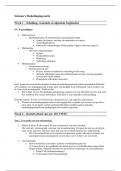
RNFA MASTER Neuromuscular blockers - Tubocurarine Atracurium Cisatracurium Mivacurium Rocuronium Pancuronium Vecuronium Succinylcholine AchE inhibitors - Neostigmine Edrophonium Muscarinic Antagonists - Glycopyrrolate Spasmolytics - Dantrolene Diazepam Baclofen Tizanidine Gabapentin Progabide Glycine Idrocilamide Riluzole Dantrolene Botulinum toxin Cyclobenzaprine Neuromuscular blockers. - Used during surgical procedures and in intensive care units to cause paralysis. NONDEPOLARIZING BLOCKERS - • They are competitive antagonists. In small clinical doses they act predominantly at the nicotinic receptor site by competing with acetylcholine. Their action can be overcome by increasing the concentration of acetylcholine in the synaptic cleft; this can be achieved, for example, by administration of acetylcholinesterase inhibitors such as neostigmine or edrophonium. Anaesthesiologists use this strategy to shorten the duration of the neuromuscular blockade. • In larger doses, nondepolarizing blockers also enter the pore of the ion channel to cause a more intense motor blockade. This further weakens neuromuscular transmission and diminishes the ability of acetylcholinesterase inhibitors to antagonize the actio n of nondepolarizing blockers. • Nondepolarizing blockers may also block prejunctional sodium channels. As a result, they reduce the release of acetylcholine at the nerve ending. • During anesthesia, the IV administration of a nondepolarizing blocker first causes motor weakness; ultimately, skeletal muscles become totally flaccid and inexcitable to stimulation. Larger muscles (e.g. those of the trunk) are more resistant to block an d recover more rapidly than smaller ones (e.g. muscles of the hand). DEPOLARIZING BLOCKERS - Succinylcholine is the only depolarizing neuromuscular blocker used clinically in the USA. succinylcholine remains popular because it is the only ultrarapid onset/ultrashort duration neuromuscular blocker available. • Succinylcholine binds to the nicotinic receptor and acts like acetylcholine to cause depolarization of the end plate. This in turn spreads and depolarizes adjacent membranes, causing transient fasciculations, especially in chest and abdomen, though gener al anesthesia and prior administration of a small dose of a nondepolarizing muscle relaxant tends to attenuate them. Succinylcholine is not metabolized effectively at the synapse, therefore the membrane remains depolarized and unresponsive to additional im pulses. A flaccid paralysis results. This is called Phase I block, or depolarization block. Phase I block is augmented, not reversed, by acetylcholinesterase inhibitors. • The onset of neuromuscular blockade is very rapid, usually within 1 minute. Because of its rapid hydrolysis by plasma butyrylcholinesterase (pseudocholinesterase), duration of neuromuscular block is 5-10 minutes. • With a single large dose, repeated doses, or prolonged continued infusion of succinylcholine (30 -60 minutes) the membrane repolarizes; despite this repolarization, the membrane can't be depolarized again because it is desensitized. The channels behave as if they are in a prolonged closed state. This is called phase II block or desensitization block. Phase II block may be reversed by acetylcholinesterase inhibitors. PHARMACOKINETICS OF NEUROMUSCULAR BLOCKERS - • All neuromuscular blocking agents contain one or two quaternary ammonium groups, which makes them highly polar and very poorly soluble in lipid. • Neuromuscular blockers are inactive if given by mouth. They are always given IV or IM. They penetrate membranes very poorly and do not enter cells or cross the blood -brain barrier. NON -DEPOLARIZING BLOCKERS - Highly ionized. They don't cross membranes well and have limited volume of distribution of 80 -140 mL/Kg -not much larger than blood volume. They have durations of action that range from 20 to 90 minutes, which can be extended by supplemental dosing. Non -depolarizing blockers can be classified into: long -, intermediate -, and short -acting. SHORT -ACTING Mivacurium INTERMEDIATE -ACTING Atracurium Rocuronium Cisatracurium Vecuronium LONG -ACTING Tubocurarine Pancuronium METABOLISM - The duration of neuromuscular blockade produced by nondepolarizing relaxants is strongly correlated with the elimination half -life. Drugs that are excreted by the kidney typically have longer half -lives, leading to longer durations of action. Drugs eliminated by the liver tend to have shorter half -lives and durations of action. Atracurium is inactivated by hydrolysis by non -specific plasma esterases and by a spontaneous reaction (Hoffman elimination). Duration of neuromuscular block produced by atracurium is not altered by the absence of renal function. One of atracurium metabolites is laudanosine. Laudanosine may cause transient hypotension and, in higher doses, seizures. Cisatracurium, a stereoisomer of atracurium, undergoes Hoffman elimination to form laudanosine. Because cisatracurium is more potent than atracurium and lower doses are required, laudanosine concentrations following cisatracurium administration are lower. Cisatracurium also causes less histamine release. Therefore, cisatracurium has largely replaced atracurium in clinical practice. Mivacurium has short duration of action. Hydrolysis by butyrylcholinesterase is the primary mechanism for inactivation of mivacurium. Not dependent on liver or kidney. Rocuronium has the most rapid onset among nondepolarizing blockers. Can be used as alternative to succinylcholine for rapid sequence intubation. DEPOLARIZING BLOCKERS - The extremely short duration of action of succinylcholine (5 -10 minutes) is due to its rapid hydrolysis by plasma (and hepatic) butyrylcholinesterase. Neuromuscular blockade by succinylcholine (and mivacurium) may be prolonged in patients with an abnormal variant of butyrylcholinesterase. Prolonged paralysis from succinylcholine caused by abnormal butyrylcholinesterase should be treated with continued me chanical ventilation until muscle function returns to normal. Because of the rarity of these variants, butyrylcholinesterase testing is not routine clinical procedure. ADVERSE EFFECTS - ... NON -DEPOLARIZING BLOCKERS - • Some benzylisoquinolines may produce hypotension due to histamine release and ganglionic blockade. • Some ammonio steroids may produce tachycardia due to blockade of muscarinic receptors, which may lead to arrhythmias. These drugs should be used cautiously in patients with cardiovascular disease. HISTAMINE RELEASE - Tubocurarine, and to a lesser extent, mivacurium and atracurium can produce hypotension as a result of histamine release. Tubocurarine is seldom used clinically at this time. Clinical signs of histamine release are erythema at the face and upper chest, a transient decrease in blood pressure, and an increase in heart rate. More severe reactions of histamine release include bronchospasm and circulatory collapse.
Examen
RNFA MASTER Questions With 100% Correct Answers!!
Puntuación
Vendido
-
Páginas
66
Grado
A+
Subido en
23-05-2024
Escrito en
2023/2024
Neuromuscular blockers - Tubocurarine Atracurium Cisatracurium Mivacurium Rocuronium Pancuronium Vecuronium Succinylcholine AchE inhibitors - Neostigmine Edrophonium Muscarinic Antagonists - Glycopyrrolate Spasmolytics - Dantrolene Diazepam Baclofen Tizanidine Gabapentin Progabide Glycine Idrocilamide Riluzole Dantrolene Botulinum toxin Cyclobenzaprine Neuromuscular blockers. - Used during surgical procedures and in intensive care units to cause paralysis. NONDEPOLARIZING BLOCKERS - • They are competitive antagonists. In small clinical doses they act predominantly at the nicotinic receptor site by competing with acetylcholine. Their action can be overcome by increasing the concentration of acetylcholine in the synaptic cleft; this can be achieved, for example, by administration of acetylcholinesterase inhibitors such as neostigmine or edrophonium. Anaesthesiologists use this strategy to shorten the duration of the neuromuscular blockade. • In larger doses, nondepolarizing blockers also enter the pore of the ion channel to cause a more intense motor blockade. This further weakens neuromuscular transmission and diminishes the ability of acetylcholinesterase inhibitors to antagonize the action of nondepolarizing blockers. • Nondepolarizing blockers may also block prejunctional sodium channels. As a result, they reduce the release of acetylcholine at the nerve ending. • During anesthesia, the IV administration of a nondepolarizing blocker first causes motor weakness; ultimately, skeletal muscles become totally flaccid and inexcitable to stimulation. Larger muscles (e.g. those of the trunk) are more resistant to block and recover more rapidly than smaller ones (e.g. muscles of the hand).DEPOLARIZING BLOCKERS - Succinylcholine is the only depolarizing neuromuscular blocker used clinically in the USA. succinylcholine remains popular because it is the only ultrarapid onset/ultrashort duration neuromuscular blocker available. • Succinylcholine binds to the nicotinic receptor and acts like acetylcholine to cause depolarization of the end plate. This in turn spreads and depolarizes adjacent membranes, causing transient fasciculations, especially in chest and abdomen, though general anesthesia and prior administration of a small dose of a nondepolarizing muscle relaxant tends to attenuate them. Succinylcholine is not metabolized effectively at the synapse, therefore the membrane remains depolarized and unresponsive to additional impulses. A flaccid paralysis results. This is called Phase I block, or depolarization block. Phase I block is augmented, not reversed, by acetylcholinesterase inhibitors. • The onset of neuromuscular blockade is very rapid, usually within 1 minute. Because of its rapid hydrolysis by plasma butyrylcholinesterase (pseudocholinesterase), duration of neuromuscular block is 5-10 minutes. • With a single large dose, repeated doses, or prolonged continued infusion of succinylcholine (30-60 minutes) the membrane repolarizes; despite this repolarization, the membrane can't be depolarized again because it is desensitized. The channels behave as if they are in a prolonged closed state. This is called phase II block or desensitization block. Phase II block may be reversed by acetylcholinesterase inhibitors. PHARMACOKINETICS OF NEUROMUSCULAR BLOCKERS - • All neuromuscular blocking agents contain one or two quaternary ammonium groups, which makes them highly polar and very poorly soluble in lipid. • Neuromuscular blockers are inactive if given by mouth. They are always given IV or IM. They penetrate membranes very poorly and do not enter cells or cross the blood-brain barrier. NON-DEPOLARIZING BLOCKERS - Highly ionized. They don't cross membranes well and have limited volume of distribution of 80-140 mL/Kg -not much larger than blood volume. They have durations of action that range from 20 to 90 minutes, which can be extended by supplemental dosing. Non-depolarizing blockers can be classified into: long-, intermediate-, and short-acting. SHORT-ACTINGMivacurium INTERMEDIATE-ACTING Atracurium Rocuronium Cisatracurium Vecuronium LONG-ACTING Tubocurarine Pancuronium METABOLISM - The duration of neuromuscular blockade produced by nondepolarizing relaxants is strongly correlated with the elimination half-life. Drugs that are excreted by the kidney typically have longer half-lives, leading to longer durations of action. Drugs eliminated by the liver tend to have shorter half-lives and durations of action. Atracurium is inactivated by hydrolysis by non-specific plasma esterases and by a spontaneous reaction (Hoffman elimination). Duration of neuromuscular block produced by atracurium is not altered by the absence of renal function. One of atracurium metabolites is laudanosine. Laudanosine may cause transient hypotension and, in higher doses, seizures. Cisatracurium, a stereoisomer of atracurium, undergoes Hoffman elimination to form laudanosine. Because cisatracurium is more potent than atracurium and lower doses are required, laudanosine concentrations following cisatracurium administration are lower. Cisatracurium also causes less histamine release. Therefore, cisatracurium has largely replaced atracurium in clinical practice.Mivacurium has short duration of action. Hydrolysis by butyrylcholinesterase is the primary mechanism for inactivation of mivacurium. Not dependent on liver or kidney. Rocuronium has the most rapid onset among nondepolarizing blockers. Can be used as alternative to succinylcholine for rapid sequence intubation. DEPOLARIZING BLOCKERS - The extremely short duration of action of succinylcholine (5-10 minutes) is due to its rapid hydrolysis by plasma (and hepatic) butyrylcholinesterase. Neuromuscular blockade by succinylcholine (and mivacurium) may be prolonged in patients with an abnormal variant of butyrylcholinesterase. Prolonged paralysis from succinylcholine caused by abnormal butyrylcholinesterase should be treated with continued mechanical ventilation until muscle function returns to normal. Because of the rarity of these variants, butyrylcholinesterase testing is not routine clinical procedure. ADVERSE EFFECTS - ... NON-DEPOLARIZING BLOCKERS - • Some benzylisoquinolines may produce hypotension due to histamine release and ganglionic blockade. • Some ammonio steroids may produce tachycardia due to blockade of muscarinic receptors, which may lead to arrhythmias. These drugs should be used cautiously in patients with cardiovascular disease. HISTAMINE RELEASE - Tubocurarine, and to a lesser extent, mivacurium and atracurium can produce hypotension as a result of histamine release. Tubocurarine is seldom used clinically at this time. Clinical signs of histamine release are erythema at the face and upper chest, a transient decrease in blood pressure, and an increase in heart rate. More severe reactions of histamine release include bronchospasm and circulatory collapse.Antihistamines can counteract responses that follow histamine release, particularly if given before the neuromuscular blocker.
Mostrar más
Leer menos
Institución
RNFA MASTER
Grado
RNFA MASTER
Ups! No podemos cargar tu documento ahora. Inténtalo de nuevo o contacta con soporte.
Escuela, estudio y materia
- Institución
- RNFA MASTER
- Grado
- RNFA MASTER
Información del documento
- Subido en
- 23 de mayo de 2024
- Número de páginas
- 66
- Escrito en
- 2023/2024
- Tipo
- Examen
- Contiene
- Preguntas y respuestas
Temas
Vista previa del contenido
$7.39
Accede al documento completo:
100% de satisfacción garantizada
Inmediatamente disponible después del pago
Tanto en línea como en PDF
No estas atado a nada

Documento también disponible en un lote
Package deal
RNFA EXAM PACKAGE DEAL WITH COMPLETE SOLUTIONS.
9
2024
$ 67.81
Más información