Thursday 9th December 2021 LEC 172
Metamorphism – 1
Metamorphism Key Points:
1) Metamorphic (Greek “meta” = change, “morpho” = shape) rocks result from the transformation of other
rocks beneath the Earth’s surface.
2) Metamorphic rocks are created from igneous, sedimentary, and metamorphic rocks.
3) The process of metamorphism occurs when rocks are subjected to sufficient temperature/pressure/fluid
activity to change the original mineral composition and texture, thus forming new rocks. These
transformations take place in the solid state.
4) The type of metamorphic rock formed depends on:
• composition and texture of parent rock
• agents of metamorphism (T, P and fluid activity)
• amount of time the rock was subjected to the agents of metamorphism.
Agents of Metamorphism:
1) Temperature (T)
Elevated T increases the rate of chemical reactions that produce new mineral assemblages.
Heat from: (a) magma and (b) deep burial in crust (Orogeny). Metamorphic minerals are geothermometers.
Metamorphism generally occurs within the boundary of 150 degrees Celsius & 900 degrees Celsius.
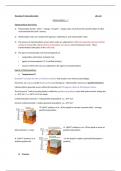
The increase of T with increasing depth is called the geothermal gradient; varies with plate tectonic setting but
is ~30℃ km-1, i.e. 450℃ at 15 km depth.
Continental plate extension = steep geothermal gradient, i.e., 50℃ km-1
Ancient continental plate = shallow geothermal gradient, i.e., 20℃ km-1
1300℃ isotherm is at ~50 km depth in volcanic mountain belts = average
geothermal gradient
1300℃ isotherm is at ~30 km depth in areas of
plate extension = steep geothermal gradient.
1300 °C isotherm is at ~65 km depth in stable continental lithosphere =
shallow geothermal gradient.
2) Pressure
Metamorphism – 1
Metamorphism Key Points:
1) Metamorphic (Greek “meta” = change, “morpho” = shape) rocks result from the transformation of other
rocks beneath the Earth’s surface.
2) Metamorphic rocks are created from igneous, sedimentary, and metamorphic rocks.
3) The process of metamorphism occurs when rocks are subjected to sufficient temperature/pressure/fluid
activity to change the original mineral composition and texture, thus forming new rocks. These
transformations take place in the solid state.
4) The type of metamorphic rock formed depends on:
• composition and texture of parent rock
• agents of metamorphism (T, P and fluid activity)
• amount of time the rock was subjected to the agents of metamorphism.
Agents of Metamorphism:
1) Temperature (T)
Elevated T increases the rate of chemical reactions that produce new mineral assemblages.
Heat from: (a) magma and (b) deep burial in crust (Orogeny). Metamorphic minerals are geothermometers.
Metamorphism generally occurs within the boundary of 150 degrees Celsius & 900 degrees Celsius.
The increase of T with increasing depth is called the geothermal gradient; varies with plate tectonic setting but
is ~30℃ km-1, i.e. 450℃ at 15 km depth.
Continental plate extension = steep geothermal gradient, i.e., 50℃ km-1
Ancient continental plate = shallow geothermal gradient, i.e., 20℃ km-1
1300℃ isotherm is at ~50 km depth in volcanic mountain belts = average
geothermal gradient
1300℃ isotherm is at ~30 km depth in areas of
plate extension = steep geothermal gradient.
1300 °C isotherm is at ~65 km depth in stable continental lithosphere =
shallow geothermal gradient.
2) Pressure