SECTION 3:
Transformative constitutionalism: origin,
development, status, and challenges:
,READING 1: Barnard-Naude: ‘Interpretation’:
SUMMARY:
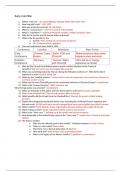
FORMALISM AND REALISM AS MODES OF INTERPRETATION
Formalism (syllogistic legal reasoning) proceeds according to the following formula:
Rule (major premise) + Facts (minor premise) = Conclusion / Decision / Judgment
Azapo example
Formalism
Rule(s) (Source of the law):
Constitution’s Epilogue – ‘amnesty shall be granted’.
Constitution’s s 22 right to access to courts.
PNURA section 20(7) – amnesty = civil and criminal immunity (which also extinguishes vicarious
liability)
+
Facts:
Applicants contend that s 20(7) of PNURA is unconstitutional, because it violates their s 22
constitutional right by precluding them from claiming compensation from perpetrators and to
institute prosecution. The latter, they contended, was not authorized by the Constitution.
=
Conclusion
Section 20(7) does violate the section 22 right, but it does so in a manner consistent with the
Constitution – it is therefore a justifiable limitation of the s 22 right.
Realism’s critique proceeds by focusing on the intermediary steps that are involved in reaching this
conclusion. Realism would argue that the sources of the law are indeterminate , they have to be
interpreted in order to be determined.
In the above example, realism would point out that ‘amnesty’ in the Constitution’s Epilogue had to
be interpreted – it did not self-evidently mean that civil, criminal and vicarious liability is
extinguished. In order to arrive at the conclusion, the judge therefore interpreted the reference to
‘amnesty’ in the Constitution to mean the extinction of both civil, criminal and vicarious liability. See
para 35 & 36 of the judgment: Mahomed DP explicitly reads ‘amnesty’ in the context of
‘reconstruction and reconciliation’ (he holds that amnesty must ‘facilitate’ the latter). He then goes
on to link ‘reconstruction and reconciliation’ to ‘truth’ and holds that without criminal, civil and
vicarious immunity the truth will not be revealed. This means that the judge made an interpretative
choice in applying the law to the facts and that this choice determines the conclusion, not the self-
evident meaning of the source and not the mechanical application of the law to the facts. The fact
that the judge makes a choice to prefer the ‘truth’ (as opposed to, say, ‘justice’) means that
interpretation represents a political choice – a choice that is made with (unarticulated) reference to
the judge’s personal, moral convictions and views of the common good. Realism’s conclusion is that,
in this sense, law is political / ‘law is politics’.
, READING 2: Davis & Klare: ‘Critical legal realism in a nutshell’:
SUMMARY:
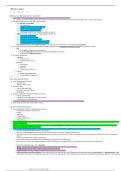
Where are we on the bridge?
Last time we spoke about the two dominant approaches to legal interpretation or what is
sometime called legal reasoning.
These are:
o Formalism (Syllogistic legal reasoning / Literal approach / Judges do not make law, they
simply state what the law is)
o (Critical legal) realism (Rule skepticism and Fact skepticism / Judges ‘make’ law through
interpretation / Law is politics)
Now, interpretation is a relationship with the sources (the law). In apartheid, the dominant
interpretive approach (formalism) – as a conservative approach - matched the conservative
substance of the sources (apartheid order law).
The extent to which a specific interpretive approach is dominant in a legal order thus tells us
something about the legal culture of that order.
Question for us is what approach dominates / should dominate post-apartheid?
Ultimately, Klare is going to contend that conservative legal culture survives post-apartheid and
that it is at odds with the transformative commitments of the Constitution at the level of
substance.
He is going to advocate for an alignment of legal culture with the legal source (Constitution) by
advocating a progressive approach that he calls ‘transformative constitutionalism’ which is
grounded in critical legal realism.
But before we look at Klare, we first have to develop our understanding of critical legal realism.
This understanding is elaborated in Davis & Klare where they provide a summary of the main
tenets or theses or substance or commitments of the critical legal realist approach.
Now, the context in which Davis and Klare give this summary is common law development –
they are concerned that common law development is not taking place progressively (hopefully
we will talk more about this in the later lectures).
1.) Legal outcomes are under-determined by legal reasoning.
In short, the contention here is that in legal reasoning there is a counter-argument for
every argument – see example.
The consequence of this is that the legal materials (precedent, statute, common law, etc)
as such do not determine the outcome of the case.
There are ‘gaps’, ‘ambiguities’ and ‘conflicts’ and they are pervasive, not exceptional.
Moreover, the rules stipulating decision procedures (eg follow the precedent) do not fully
determine the outcome, because even if these rules are applied, members of the legal
community can derive different, even conflicting conclusions from working with exactly
the same rules and exactly the same sources.
This means that legal outcomes are often ‘indeterminate’.
Note that the claim is not that the outcomes are infinitely indeterminate.
In the presence of gaps, ambiguities and conflicts in the material, judges decide cases by
making ‘intermediate choices’ between premise (law) and outcome (conclusion).
The intermediate choices are inevitably influenced by a judge’s political and personal
morality / values and these are contestable.
Formalist’s vice?
Judges make the law that they say they are bound to follow.
Transformative constitutionalism: origin,
development, status, and challenges:
,READING 1: Barnard-Naude: ‘Interpretation’:
SUMMARY:
FORMALISM AND REALISM AS MODES OF INTERPRETATION
Formalism (syllogistic legal reasoning) proceeds according to the following formula:
Rule (major premise) + Facts (minor premise) = Conclusion / Decision / Judgment
Azapo example
Formalism
Rule(s) (Source of the law):
Constitution’s Epilogue – ‘amnesty shall be granted’.
Constitution’s s 22 right to access to courts.
PNURA section 20(7) – amnesty = civil and criminal immunity (which also extinguishes vicarious
liability)
+
Facts:
Applicants contend that s 20(7) of PNURA is unconstitutional, because it violates their s 22
constitutional right by precluding them from claiming compensation from perpetrators and to
institute prosecution. The latter, they contended, was not authorized by the Constitution.
=
Conclusion
Section 20(7) does violate the section 22 right, but it does so in a manner consistent with the
Constitution – it is therefore a justifiable limitation of the s 22 right.
Realism’s critique proceeds by focusing on the intermediary steps that are involved in reaching this
conclusion. Realism would argue that the sources of the law are indeterminate , they have to be
interpreted in order to be determined.
In the above example, realism would point out that ‘amnesty’ in the Constitution’s Epilogue had to
be interpreted – it did not self-evidently mean that civil, criminal and vicarious liability is
extinguished. In order to arrive at the conclusion, the judge therefore interpreted the reference to
‘amnesty’ in the Constitution to mean the extinction of both civil, criminal and vicarious liability. See
para 35 & 36 of the judgment: Mahomed DP explicitly reads ‘amnesty’ in the context of
‘reconstruction and reconciliation’ (he holds that amnesty must ‘facilitate’ the latter). He then goes
on to link ‘reconstruction and reconciliation’ to ‘truth’ and holds that without criminal, civil and
vicarious immunity the truth will not be revealed. This means that the judge made an interpretative
choice in applying the law to the facts and that this choice determines the conclusion, not the self-
evident meaning of the source and not the mechanical application of the law to the facts. The fact
that the judge makes a choice to prefer the ‘truth’ (as opposed to, say, ‘justice’) means that
interpretation represents a political choice – a choice that is made with (unarticulated) reference to
the judge’s personal, moral convictions and views of the common good. Realism’s conclusion is that,
in this sense, law is political / ‘law is politics’.
, READING 2: Davis & Klare: ‘Critical legal realism in a nutshell’:
SUMMARY:
Where are we on the bridge?
Last time we spoke about the two dominant approaches to legal interpretation or what is
sometime called legal reasoning.
These are:
o Formalism (Syllogistic legal reasoning / Literal approach / Judges do not make law, they
simply state what the law is)
o (Critical legal) realism (Rule skepticism and Fact skepticism / Judges ‘make’ law through
interpretation / Law is politics)
Now, interpretation is a relationship with the sources (the law). In apartheid, the dominant
interpretive approach (formalism) – as a conservative approach - matched the conservative
substance of the sources (apartheid order law).
The extent to which a specific interpretive approach is dominant in a legal order thus tells us
something about the legal culture of that order.
Question for us is what approach dominates / should dominate post-apartheid?
Ultimately, Klare is going to contend that conservative legal culture survives post-apartheid and
that it is at odds with the transformative commitments of the Constitution at the level of
substance.
He is going to advocate for an alignment of legal culture with the legal source (Constitution) by
advocating a progressive approach that he calls ‘transformative constitutionalism’ which is
grounded in critical legal realism.
But before we look at Klare, we first have to develop our understanding of critical legal realism.
This understanding is elaborated in Davis & Klare where they provide a summary of the main
tenets or theses or substance or commitments of the critical legal realist approach.
Now, the context in which Davis and Klare give this summary is common law development –
they are concerned that common law development is not taking place progressively (hopefully
we will talk more about this in the later lectures).
1.) Legal outcomes are under-determined by legal reasoning.
In short, the contention here is that in legal reasoning there is a counter-argument for
every argument – see example.
The consequence of this is that the legal materials (precedent, statute, common law, etc)
as such do not determine the outcome of the case.
There are ‘gaps’, ‘ambiguities’ and ‘conflicts’ and they are pervasive, not exceptional.
Moreover, the rules stipulating decision procedures (eg follow the precedent) do not fully
determine the outcome, because even if these rules are applied, members of the legal
community can derive different, even conflicting conclusions from working with exactly
the same rules and exactly the same sources.
This means that legal outcomes are often ‘indeterminate’.
Note that the claim is not that the outcomes are infinitely indeterminate.
In the presence of gaps, ambiguities and conflicts in the material, judges decide cases by
making ‘intermediate choices’ between premise (law) and outcome (conclusion).
The intermediate choices are inevitably influenced by a judge’s political and personal
morality / values and these are contestable.
Formalist’s vice?
Judges make the law that they say they are bound to follow.