
ACTUAL NCLEX RN EXAM 2024 V2 COMPLETE QUESTIONS AND ANSWERS WITH EXPLANATION VERIFIED 2024 UPDATE RATED A+
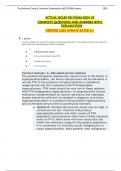
ACTUAL NCLEX RN EXAM 2024 V2 COMPLETE QUESTIONS AND ANSWERS WITH EXPLANATION VERIFIED 2024 UPDATE RATED A+ 1. 1. Question A patient is admitted to the hospital with a diagnosis of primaryhyperparathyroidism. A nurse checking the patient‟s lab resultswould expect which of the following changes in laboratory findings? o A. Elevated serum calcium o B. Low serum parathyroid hormone (PTH) o C. Elevated serum vitamin D o D. Low urine calcium • 2. Question A patient with Addison‟s disease asks a nurse for nutrition anddiet advice. Which of the following diet modifications is not recommended? o A. A diet high in grains. o B. A diet with adequate caloric intake. o C. A high protein diet. o D. A restricted sodium diet. • 3. Question A patient with a history of diabetes mellitus is in the second postoperative day following cholecystectomy. She has complained of nausea and isn‟t able to eat solid foods. The nurseenters the room to find the patient confused and shaky. Which ofthe following is the most likely explanation for the patient‟s symptoms? o A. Anesthesia reaction o B. Hyperglycemia o C. Hypoglycemia o D. Diabetic ketoacidosis glycemic control, nature and extent of surgical procedure, andavailable expertise. o Option A: An anesthesia reaction would not occur on the second postoperative day. Anesthesia and surgery cause a stereotypical metabolic stress response that could overwhelm homeostatic mechanisms in patients with pre-existing abnormalities of glucose metabolism.The invariant features of the metabolic stress response include release of the catabolic hormones epinephrine, norepinephrine, cortisol, glucagons, and growth hormone and inhibition of insulin secretion andaction. o Option B: Confusion is a late sign of hyperglycemia. Shakiness is not one of its symptoms. The management approach in these categories of patients always includes insulin therapy in combination with dextrose and potassium infusion. Major surgery is defined as one requiring general anesthesia of ?1 h. Ata minimum, blood glucose should be monitored beforeand immediately after surgery in all patients. Those undergoing extensive procedures should have hourly glucose monitoring during and immediately following surgery. o Option D: Symptoms of DKA include excessive thirst, frequent urination, abdominal pain, fruity-scented breath, confusion, and shortness of breath. However, shakiness is not a sign of DKA. The stress of surgery itself results in metabolic perturbations that alter glucose homeostasis, and persistent hyperglycemia isa risk factor for endothelial dysfunction, postoperativesepsis, impaired wound healing, and cerebral ischemia. The stress response itself may precipitate diabetic crises (diabetic ketoacidosis [DKA]. • 4. Question A nurse assigned to the emergency department evaluates a patient who underwent fiberoptic colonoscopy 18 hours previously. The patient reports increasing abdominal pain, fever,and chills. Which of the following conditions poses the most immediate concern?
Información del documento
- Subido en
- 5 de abril de 2024
- Número de páginas
- 92
- Escrito en
- 2023/2024
- Tipo
- Examen
- Contiene
- Preguntas y respuestas

