TERM 1 NOTES FOR FAGAN’S SECTION OF DELICT
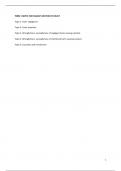
Topic 1: Fault- negligence
Topic 2: Fault- intention
Topic 3: Wrongfulness- wrongfulness of negligent harm-causing conduct
Topic 4: Wrongfulness- wrongfulness of intentional harm-causing conduct
Topic 5: Causation and remoteness
1
, fault: negligence
Readings: Aquilian Liability in the South African Law of Delict pg. 1-101
1. INTRODUCTION
- Conduct was negligent if and only if a reasonable person in the position of the person who
performed it:
1) Would have foreseen the possibility of it causing harm to another and;
2) For that reason would not have performed it
SAME theory goes for: (i) Failure to do x
(ii) doing of x in manner y
(iii) doing of x
2. KRUGER V COETZEE: TEST FOR NEGLIGENCE
- AD judgment 50 years ago, used by both courts and delict scholars, provided an
authoritative statement of the test for negligence in SA law of delict
- Kruger v Coetzee test for negligence:
‘For purposes of liability culpa arises if-
(a) a diligens paterfamilias (reasonable person) in the position of the defendants-
i. would foresee the reasonable possibility of his conduct injuring another in
his person or property and causing him patrimonial loss; and
ii. would take reasonable steps to guard against such occurrences; and
(b) the defendant failed to take such steps’
- In Sea Harvest Corporation v Duncan Dock Cold Storage:
o The SCA expressly approving the ideas-
1. Kruger v Coetzee test is NOT binding
2. Kruger v Coetzee test has only presumptive force
-the court expressly states that it is the 2 conditions set by the test…,
which provide the ultimate criterion for determining negligence
o Scott JA: conduct falling short of the standard that a reasonable person (a diligens
paterfamilias) would have observed in similar circumstances
2
, - There are situations (exactly same conduct) in which 2 following questions= CONTRARY
ANSWERS
1 Did the conduct fall short of the standard which a reasonable person would have
observed in the same circumstances?
2 Would a reasonable person have foreseen a reasonable possibility that the conduct
would cause harm to another and for that reason have refrained from performing it?
- It is of practical importance to know how the reasonable person is characterised
- There are several judgements of the Appellate Division, over 100 years, where a reasonable
person= ordinary average person
- The test in Kruger v Coetzee, it is a NECESSARY condition for conduct to be negligent that-
1. A reasonable person would have foreseen a reasonable possibility that it would
cause harm to another
2. A reasonable person would have refrained from performing the conduct
- Mkhatswa v Minister of Defence:
o For negligence, our law requires the reasonable foreseeability of a reasonable
possibility of harm (likelihood of harm or danger)
3. CONCEPT OF NEGLIGENCE
Factors/considerations for reasonable person refraining from performing harm-causing conduct
- Herschel v Mrupe:
o Schreiner JA: identified 3 considerations/factors for the determination of a
reasonable person refraining from performing harm-causing conduct
1. SERIOUSNESS of the harm
2. CHANCE of occurrence
3. COST/DIFFICULTY of taking precautions
- The SA delict scholar JC van der Walt identified 4 considerations/factors:
1. DEGREE/EXTENT of harm caused by the conduct
2. GRAVITY of POSSIBLE CONSEQUNCES of that harm
3. UTILITY of the conduct
4. BURDEN of ELIMINATING RISK
*(1+2= general magnitude of the risk created by the conduct)
3
Topic 1: Fault- negligence
Topic 2: Fault- intention
Topic 3: Wrongfulness- wrongfulness of negligent harm-causing conduct
Topic 4: Wrongfulness- wrongfulness of intentional harm-causing conduct
Topic 5: Causation and remoteness
1
, fault: negligence
Readings: Aquilian Liability in the South African Law of Delict pg. 1-101
1. INTRODUCTION
- Conduct was negligent if and only if a reasonable person in the position of the person who
performed it:
1) Would have foreseen the possibility of it causing harm to another and;
2) For that reason would not have performed it
SAME theory goes for: (i) Failure to do x
(ii) doing of x in manner y
(iii) doing of x
2. KRUGER V COETZEE: TEST FOR NEGLIGENCE
- AD judgment 50 years ago, used by both courts and delict scholars, provided an
authoritative statement of the test for negligence in SA law of delict
- Kruger v Coetzee test for negligence:
‘For purposes of liability culpa arises if-
(a) a diligens paterfamilias (reasonable person) in the position of the defendants-
i. would foresee the reasonable possibility of his conduct injuring another in
his person or property and causing him patrimonial loss; and
ii. would take reasonable steps to guard against such occurrences; and
(b) the defendant failed to take such steps’
- In Sea Harvest Corporation v Duncan Dock Cold Storage:
o The SCA expressly approving the ideas-
1. Kruger v Coetzee test is NOT binding
2. Kruger v Coetzee test has only presumptive force
-the court expressly states that it is the 2 conditions set by the test…,
which provide the ultimate criterion for determining negligence
o Scott JA: conduct falling short of the standard that a reasonable person (a diligens
paterfamilias) would have observed in similar circumstances
2
, - There are situations (exactly same conduct) in which 2 following questions= CONTRARY
ANSWERS
1 Did the conduct fall short of the standard which a reasonable person would have
observed in the same circumstances?
2 Would a reasonable person have foreseen a reasonable possibility that the conduct
would cause harm to another and for that reason have refrained from performing it?
- It is of practical importance to know how the reasonable person is characterised
- There are several judgements of the Appellate Division, over 100 years, where a reasonable
person= ordinary average person
- The test in Kruger v Coetzee, it is a NECESSARY condition for conduct to be negligent that-
1. A reasonable person would have foreseen a reasonable possibility that it would
cause harm to another
2. A reasonable person would have refrained from performing the conduct
- Mkhatswa v Minister of Defence:
o For negligence, our law requires the reasonable foreseeability of a reasonable
possibility of harm (likelihood of harm or danger)
3. CONCEPT OF NEGLIGENCE
Factors/considerations for reasonable person refraining from performing harm-causing conduct
- Herschel v Mrupe:
o Schreiner JA: identified 3 considerations/factors for the determination of a
reasonable person refraining from performing harm-causing conduct
1. SERIOUSNESS of the harm
2. CHANCE of occurrence
3. COST/DIFFICULTY of taking precautions
- The SA delict scholar JC van der Walt identified 4 considerations/factors:
1. DEGREE/EXTENT of harm caused by the conduct
2. GRAVITY of POSSIBLE CONSEQUNCES of that harm
3. UTILITY of the conduct
4. BURDEN of ELIMINATING RISK
*(1+2= general magnitude of the risk created by the conduct)
3