Irrationality – Wednesbury
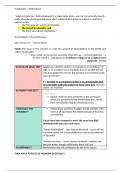
“Judicial review has I think developed to a stage today when…one can conveniently classify
under three heads the grounds upon which administrative action is subject to control by
judicial review.
• The first ground I would call ‘illegality,’
• the second ‘irrationality’ and
• the third "procedural impropriety.’”
(Lord Diplock in the GCHQ case)
IRRATIONALITY – WEDNESBURY
ISSUE: The issue in this scenario is under the ground of what Diplock in the GCHQ case
called, ‘irrationality’.
“I mean what can by now be succinctly referred to as... ‘unreasonableness’ ...a
decision which is...outrageous in its defiance of logic or of accepted moral
standards” (GCHQ)
ARTICULATE LEGAL TEST Applies to a decision which is so outrageous in its defiance of
logic or of accepted moral standards that no sensible person
who had applied his mind to the question to be decided could
have arrived at it
If a decision on a competent matter is so unreasonable that
no reasonable authority could ever have come to it, then the
courts can interfere
AUTHORITY FOR TEST GCHQ
Wednesbury
Diplock made the first comments in the GCHQ case
which just paraphrased the Wednesbury test, and he
then immediately cited the Wednesbury test
THRESHOLD AND Wednesbury questions if judges should interfere with
VARIABILITY merit at all and shows the limited allowance that they
can interfere
Courts have been tempted to move the usual very high
threshold both ways (less and more)
“Super-Wednesbury” – less intense threshold – court will not
intervene unless the unreasonableness reaches the extremes
of absurdity
“Anxious scrutiny” – more intense threshold – whether the
decision maker thought sufficiently about the case
VULNERABILITY Wednesbury may not continue to be law in the future
THEN APPLY TO FACTS OF PROBLEM QUESTION!!!
“Judicial review has I think developed to a stage today when…one can conveniently classify
under three heads the grounds upon which administrative action is subject to control by
judicial review.
• The first ground I would call ‘illegality,’
• the second ‘irrationality’ and
• the third "procedural impropriety.’”
(Lord Diplock in the GCHQ case)
IRRATIONALITY – WEDNESBURY
ISSUE: The issue in this scenario is under the ground of what Diplock in the GCHQ case
called, ‘irrationality’.
“I mean what can by now be succinctly referred to as... ‘unreasonableness’ ...a
decision which is...outrageous in its defiance of logic or of accepted moral
standards” (GCHQ)
ARTICULATE LEGAL TEST Applies to a decision which is so outrageous in its defiance of
logic or of accepted moral standards that no sensible person
who had applied his mind to the question to be decided could
have arrived at it
If a decision on a competent matter is so unreasonable that
no reasonable authority could ever have come to it, then the
courts can interfere
AUTHORITY FOR TEST GCHQ
Wednesbury
Diplock made the first comments in the GCHQ case
which just paraphrased the Wednesbury test, and he
then immediately cited the Wednesbury test
THRESHOLD AND Wednesbury questions if judges should interfere with
VARIABILITY merit at all and shows the limited allowance that they
can interfere
Courts have been tempted to move the usual very high
threshold both ways (less and more)
“Super-Wednesbury” – less intense threshold – court will not
intervene unless the unreasonableness reaches the extremes
of absurdity
“Anxious scrutiny” – more intense threshold – whether the
decision maker thought sufficiently about the case
VULNERABILITY Wednesbury may not continue to be law in the future
THEN APPLY TO FACTS OF PROBLEM QUESTION!!!