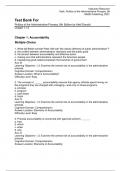
,Chapter 1:
MULTIPLE CHOICE. Choose the one alternative that best completes the statement or answers the question.
1) Which of the following is NOT a major concern of international economic theory? 1)
A) bilateral trade relations with China
B) exchange rate determination
C) the balance of payments
D) the international capital market
E) protectionism
2) Which of the following does NOT belong? 2)
A) non-tariff barriers
B) World Trade Organization
C) NAFTA
D) Uruguay Round
E) major free trade agreements of the 1990s
3) International economists cannot discuss the effects of international trade or recommend changes in 3)
government policies toward trade with any confidence unless they know
A) their theory is the best available.
B) their theory is internally consistent.
C) their theory accounts for China's unique position in international trade.
D) their theory is good enough to explain the international trade that is actually observed.
E) their theory passes the "reasonable person" legal criteria.
4) After World War II, the United States has pursued a broad policy of 4)
A) protecting the U.S. from the economic impact of oil producers.
B) strengthening "Fortress America" protectionism.
C) isolating Iran and other members of the "axis of evil."
D) restricting trade of manufactured goods.
E) removing barriers to international trade.
5) If there are large disparities in wage levels between countries, then 5)
A) trade is likely to be harmful to neither country.
B) trade is likely to have no effect on either country.
C) trade is likely to be harmful to the country with the high wages.
D) trade is likely to be harmful to both countries.
E) trade is likely to be harmful to the country with the low wages.
6) The insight that patterns of trade are primarily determined by international differences in labor 6)
productivity was first proposed by
A) David Hume.
B) Adam Smith.
C) Lerner and Samuelson.
D) Eli Heckscher.
E) David Ricardo.
1
, 7) International capital markets experience a kind of risk not faced in domestic capital markets, 7)
namely
A) "economic meltdown" risk.
B) the risk of political upheaval.
C) the risk of exchange rate fluctuations.
D) the risk of unexpected downgrading of assets by Standard and Poor.
E) Flood and hurricane crisis risk.
8) Who sells what to whom 8)
A) is not a valid concern of international economics.
B) has been a major preoccupation of international economics.
C) is determined by political rather than economic factors.
D) is less important than international economic theory.
E) is not considered important for government foreign trade policy since such decisions are
made in the private competitive market.
9) International economics can be divided into two broad sub-fields 9)
A) static and dynamic.
B) macro and micro.
C) international trade and international money.
D) monetary and barter.
E) developed and less developed.
10) From 1950 to 2015 10)
A) the U.S. economy roughly tripled in size.
B) U.S. imports roughly tripled in size.
C) U.S. exports roughly tripled in size.
D) the share of U.S. trade in the global economy roughly tripled in size.
E) U.S. imports roughly tripled as compared to U.S. exports.
11) Theories of international economics from the 18th and 19th centuries are 11)
A) only of moderate relevance in today's modern international economy.
B) the only theories that are actually relevant to modern international economy.
C) not relevant to current policy analysis.
D) highly relevant in today's modern international economy.
E) not well understood by modern mathematically oriented theorists.
12) For almost 70 years international trade policies have been governed 12)
A) by an international treaty known as the General Agreement on Tariffs and Trade (GATT).
B) by the World.
C) by the North American Free Trade Agreement (NAFTA).
D) by the World Trade Organization.
E) by the International Monetary Fund.
13) A fundamental problem in international economics is how to produce 13)
A) a world government that can harmonize trade and monetary policies
B) an acceptable degree of harmony among the international trade policies of different countries.
C) a worldwide form of currency.
D) a perfect degree of monetary harmony.
E) a counter-cyclical monetary policy so that all countries will not be adversely affected by a
financial crisis in one country.
2
, 14) The international capital market is 14)
A) the arrangement where banks build up their capital by borrowing from the Central Bank.
B) exclusively concerned with the debt crisis that ended in the 1990s.
C) a set of arrangements by which individuals and firms exchange money now for promises to
pay in the future.
D) the place where you can rent earth moving equipment anywhere in the world.
E) the place where emerging economies accept capital invested by banks.
15) An improvement in a country's balance of payments means a decrease in its balance of payments 15)
deficit, or an increase in its surplus. In fact we know that a surplus in a balance of payments
A) is always harmful.
B) is always beneficial.
C) is usually beneficial.
D) is never harmful.
E) is sometimes harmful.
16) The distinction between international trade and international money is NOT entirely clear because 16)
A) trade models focus on real, or barter relationships.
B) most international trade involves monetary transactions.
C) real developments in the trade accounts do not have monetary implications.
D) developments caused by purely monetary changes have no real effects.
E) the balance of payments includes only real measures.
17) Because the Constitution forbids restraints on interstate trade 17)
A) the U.S. may not impose export duties.
B) the U.S. may not affect the international value of the $ U.S.
C) the U.S. may not put restraints on foreign investments in California if it involves a financial
intermediary in New York State.
D) the U.S. may not impose tariffs on imports from NAFTA countries.
E) the U.S. may not disrupt commerce between Florida and Hawaii.
18) The GATT is 18)
A) a collection of tariffs.
B) an international agreement.
C) an international U.N. agency.
D) a U.S. government agency.
E) an international IMF agency.
19) "Trade is generally harmful if there are large disparities between countries in wages." 19)
A) Trade theory has nothing to say about this issue.
B) This is generally true.
C) This is true if the trade partner ignores child labor laws.
D) This is true if the trade partner uses prison labor.
E) This is generally false.
3
MULTIPLE CHOICE. Choose the one alternative that best completes the statement or answers the question.
1) Which of the following is NOT a major concern of international economic theory? 1)
A) bilateral trade relations with China
B) exchange rate determination
C) the balance of payments
D) the international capital market
E) protectionism
2) Which of the following does NOT belong? 2)
A) non-tariff barriers
B) World Trade Organization
C) NAFTA
D) Uruguay Round
E) major free trade agreements of the 1990s
3) International economists cannot discuss the effects of international trade or recommend changes in 3)
government policies toward trade with any confidence unless they know
A) their theory is the best available.
B) their theory is internally consistent.
C) their theory accounts for China's unique position in international trade.
D) their theory is good enough to explain the international trade that is actually observed.
E) their theory passes the "reasonable person" legal criteria.
4) After World War II, the United States has pursued a broad policy of 4)
A) protecting the U.S. from the economic impact of oil producers.
B) strengthening "Fortress America" protectionism.
C) isolating Iran and other members of the "axis of evil."
D) restricting trade of manufactured goods.
E) removing barriers to international trade.
5) If there are large disparities in wage levels between countries, then 5)
A) trade is likely to be harmful to neither country.
B) trade is likely to have no effect on either country.
C) trade is likely to be harmful to the country with the high wages.
D) trade is likely to be harmful to both countries.
E) trade is likely to be harmful to the country with the low wages.
6) The insight that patterns of trade are primarily determined by international differences in labor 6)
productivity was first proposed by
A) David Hume.
B) Adam Smith.
C) Lerner and Samuelson.
D) Eli Heckscher.
E) David Ricardo.
1
, 7) International capital markets experience a kind of risk not faced in domestic capital markets, 7)
namely
A) "economic meltdown" risk.
B) the risk of political upheaval.
C) the risk of exchange rate fluctuations.
D) the risk of unexpected downgrading of assets by Standard and Poor.
E) Flood and hurricane crisis risk.
8) Who sells what to whom 8)
A) is not a valid concern of international economics.
B) has been a major preoccupation of international economics.
C) is determined by political rather than economic factors.
D) is less important than international economic theory.
E) is not considered important for government foreign trade policy since such decisions are
made in the private competitive market.
9) International economics can be divided into two broad sub-fields 9)
A) static and dynamic.
B) macro and micro.
C) international trade and international money.
D) monetary and barter.
E) developed and less developed.
10) From 1950 to 2015 10)
A) the U.S. economy roughly tripled in size.
B) U.S. imports roughly tripled in size.
C) U.S. exports roughly tripled in size.
D) the share of U.S. trade in the global economy roughly tripled in size.
E) U.S. imports roughly tripled as compared to U.S. exports.
11) Theories of international economics from the 18th and 19th centuries are 11)
A) only of moderate relevance in today's modern international economy.
B) the only theories that are actually relevant to modern international economy.
C) not relevant to current policy analysis.
D) highly relevant in today's modern international economy.
E) not well understood by modern mathematically oriented theorists.
12) For almost 70 years international trade policies have been governed 12)
A) by an international treaty known as the General Agreement on Tariffs and Trade (GATT).
B) by the World.
C) by the North American Free Trade Agreement (NAFTA).
D) by the World Trade Organization.
E) by the International Monetary Fund.
13) A fundamental problem in international economics is how to produce 13)
A) a world government that can harmonize trade and monetary policies
B) an acceptable degree of harmony among the international trade policies of different countries.
C) a worldwide form of currency.
D) a perfect degree of monetary harmony.
E) a counter-cyclical monetary policy so that all countries will not be adversely affected by a
financial crisis in one country.
2
, 14) The international capital market is 14)
A) the arrangement where banks build up their capital by borrowing from the Central Bank.
B) exclusively concerned with the debt crisis that ended in the 1990s.
C) a set of arrangements by which individuals and firms exchange money now for promises to
pay in the future.
D) the place where you can rent earth moving equipment anywhere in the world.
E) the place where emerging economies accept capital invested by banks.
15) An improvement in a country's balance of payments means a decrease in its balance of payments 15)
deficit, or an increase in its surplus. In fact we know that a surplus in a balance of payments
A) is always harmful.
B) is always beneficial.
C) is usually beneficial.
D) is never harmful.
E) is sometimes harmful.
16) The distinction between international trade and international money is NOT entirely clear because 16)
A) trade models focus on real, or barter relationships.
B) most international trade involves monetary transactions.
C) real developments in the trade accounts do not have monetary implications.
D) developments caused by purely monetary changes have no real effects.
E) the balance of payments includes only real measures.
17) Because the Constitution forbids restraints on interstate trade 17)
A) the U.S. may not impose export duties.
B) the U.S. may not affect the international value of the $ U.S.
C) the U.S. may not put restraints on foreign investments in California if it involves a financial
intermediary in New York State.
D) the U.S. may not impose tariffs on imports from NAFTA countries.
E) the U.S. may not disrupt commerce between Florida and Hawaii.
18) The GATT is 18)
A) a collection of tariffs.
B) an international agreement.
C) an international U.N. agency.
D) a U.S. government agency.
E) an international IMF agency.
19) "Trade is generally harmful if there are large disparities between countries in wages." 19)
A) Trade theory has nothing to say about this issue.
B) This is generally true.
C) This is true if the trade partner ignores child labor laws.
D) This is true if the trade partner uses prison labor.
E) This is generally false.
3