Marguerite de Navarre's Heptameron
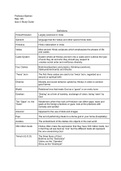
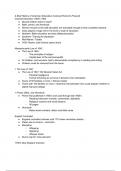
In Marguerite de Navarre's Heptameron, the frame narrative revolves around ten individuals stranded at a mountain resort after a flood. Each day, they tell stories to pass the time, and these stories reflect the complexities of relationships, religious themes, and moral perspectives. The protagonist, Oisille, embodies religious wisdom and seeks stability and reverence in life. The stories explore themes of love, fidelity, and the changing roles of women in marriage, challenging traditional norms. The characters evolve, breaking societal norms and redefining their lives, often engaging in extramarital relationships sanctioned under the serviteur practice. The frame situation in Heptameron bears similarities with Boccaccio's Decameron, as both involve a group of individuals telling stories within a larger story. However, Heptameron emphasizes religious themes and the changing dynamics of relationships, offering a perspective of the good life rooted in religious devotion, love, and the breaking of traditional norms. The characters, such as Parlamente, exhibit traits of intelligence, planner mentality, and devotion to serviteurs, challenging societal norms. Simontaut and Nomerfide represent self-centeredness and immaturity, adding depth to the portrayal of characters within the narrative. Additionally, Marguerite's depiction of abbots and monks reflects a critical view, depicting them as flawed individuals motivated by personal interests rather than genuine spirituality.
Escuela, estudio y materia
- Institución
-
Auburn University
- Grado
-
ENGL 2200 (014)
Información del documento
- Subido en
- 24 de octubre de 2023
- Número de páginas
- 4
- Escrito en
- 2023/2024
- Tipo
- NOTAS DE LECTURA
- Profesor(es)
- Barbara brumbaugh
- Contiene
- Todas las clases
Temas
- marguerite
- navarre
- heptameron
- madrid
- frame situations
- oisille
- hircan
-
good life
-
good society
-
parlamente

Documento también disponible en un lote